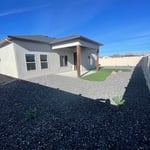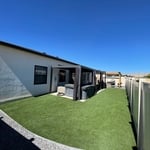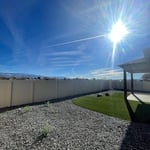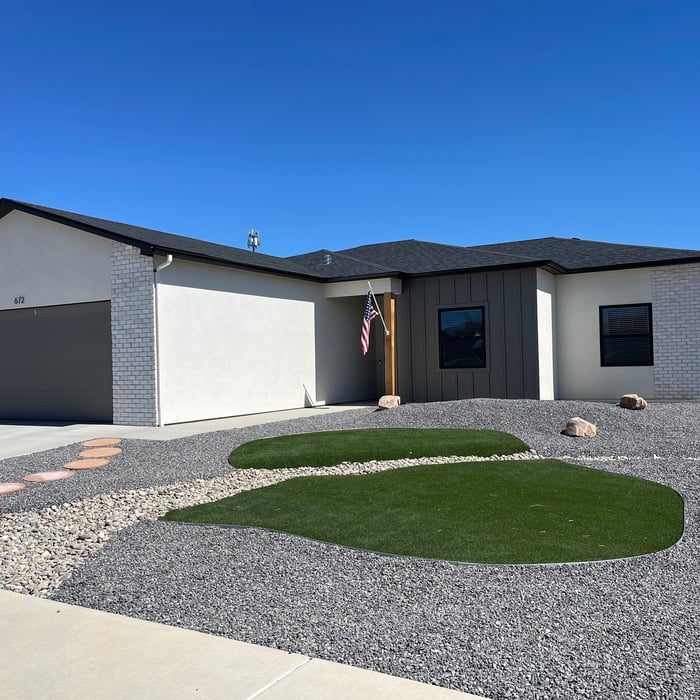





Top-rated retaining wall installation pros.

Get matched with top retaining wall installation pros in Nucla, CO

Enter your zip and get matched with up to 5 pros

Need a pro for your retaining wall installation project in Nucla, CO?

Select your specific project to find the pro for you.

Find Retaining wall installation pros in Nucla

Avatar for Walterscheids WaterFree Grass and Landscaping
Walterscheids WaterFree Grass and Landscaping
5.0(
5
)
Retaining Wall - Install

Serving Nucla, CO and surrounding areas

In business since 2010

Free estimates

Warranties offered

"Daniel and his crew were very professional and accommodating and did an Amazing job. We are more than happy with everything and how everything turned out! I would recommend him and his crew, they did a fantastic work! Thank you"
Kim’s House
Bobs
Kim’s House
Bobs
Kim’s House

+67

Recommended by80%of homeowners
Showing 1-10 of 20
Retaining Wall Installers questions, answered by experts

Most railroad tie retaining walls have a life span of 20 to 30 years, though you may need to replace your wall sooner if it’s repeatedly exposed to heavy rain, runoff, and excess moisture. Railroad ties are typically treated with creosote, which makes them much more durable than untreated wood. Though they last longer, they don’t last forever. For the most longevity, make sure your retaining wall has a sturdy base and steel reinforcements. You should also install drainage to direct water away from the wall.

Yes, you can use cinder blocks for many purposes, including retaining walls, foundations, garage walls, and fences. Building a cinder block retaining wall costs between $60 and $200 per linear foot, including materials and professional labor. For a 30-foot-long retaining wall, the cost ranges from $1,800 to $6,000.

Yes, to build a retaining wall, a permit is required. Similarly, any repairs or modifications to an existing retaining wall require permits. If the planned wall measures higher than 4 feet, most municipalities require designs and permits come through a licensed engineer. In some locations, if the wall is shorter than 4 feet, a permit may not be required. For the requirements in your area, contact your local government.

Sand and gravel are two suitable options for filling behind a retaining wall. If you’re building your own retaining wall, you’ll complete this part of the process—known as backfilling—after you finish laying the blocks. Make sure not to skip it—otherwise, you could wind up with drainage issues, which can cause your retaining wall to collapse.

Failure to compact the soil during construction is the most common cause of leaning retaining walls. In addition, poor drainage can lead to excessive water pressure behind a retaining wall, pushing against it until it begins to move forward away from the soil it is holding back.

The Nucla, CO homeowners’ guide to retaining wall installation services

From average costs to expert advice, get all the answers you need to get your job done.