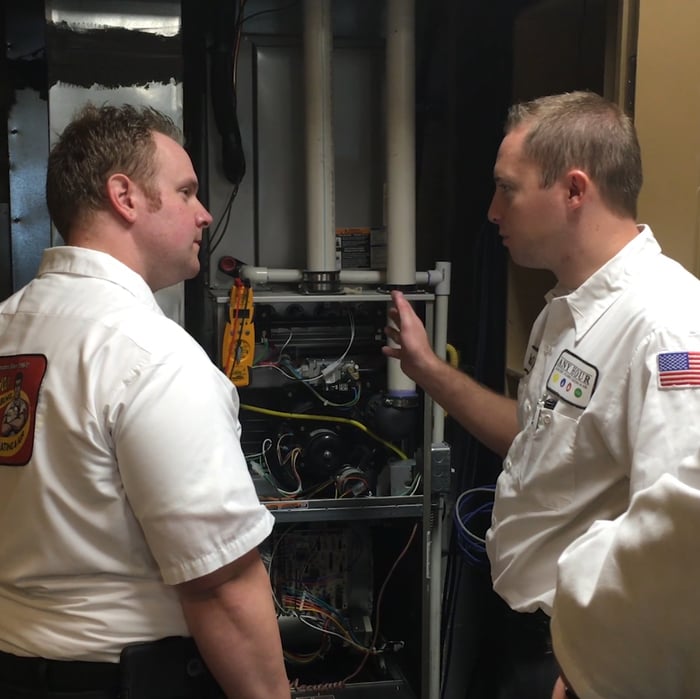









Any Hour Services has been servicing Utah homeowners for over 55 years. Winner of many service awards, we pride ourselves on having the best people in the home services industry. In the thousands of reviews we have received over the years, the things that people appreciate the most are:\n\n1. How kind and respectful our technicians are of you and your home. They always wear floor protectors over their shoes, lay down drop cloths where they are working and clean up any mess they make.\n\n2. How our technicians take the time to educate and explain things in a way you can understand.\n\n3. You're not paying by the hour, you should always get a price before any work begins. There should be no cost surprises at the end of the job. \n\nIf you have any questions or would like to meet with one of our HVAC supervisors, call and schedule a time that is convienient for your schedule.

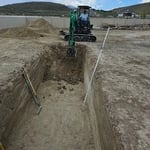
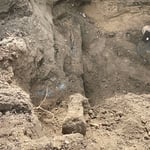
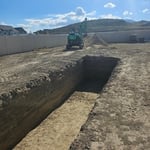
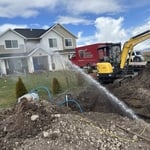
Excavation services involve the careful and precise removal of earth and debris to facilitate various construction projects. Whether it's digging foundations for buildings, trenching for utility installation, or creating space for landscaping features, Phynix's skilled excavation teams use specialized equipment to ensure accuracy and efficiency. From small residential projects to large-scale commercial developments, excavation services play a crucial role in laying the groundwork for successful construction endeavors. Experienced professionals prioritize safety, environmental considerations, and adherence to project timelines, ensuring smooth progress from start to finish.\nProviding comprehensive installation services for essential infrastructure, including sanitary sewer, water, irrigation, storm drains, and electrical conduits.
It's all in the name; we are all about quality! We keep the job site clean, work efficiently, and make a great product when we're done. We take pride in being a family owned and operated business. Give us a call today for a free estimate, and we are sure we will exceed your expectations!
"I just pay $75 you never know who's going to come out. They do everything electrical. Just about everything is covered except the septic tank. I had an air conditioner replaced. It went great, all I had to do was pay for the freon. He didn't charge e more than what was needed."
At our company is based on the belief that our customers' needs are of the utmost importance. Our team is committed to meeting those needs. We welcome the opportunity to earn your trust and deliver you the best service. No job is too big or too small for our experienced team. Call today for a quote.
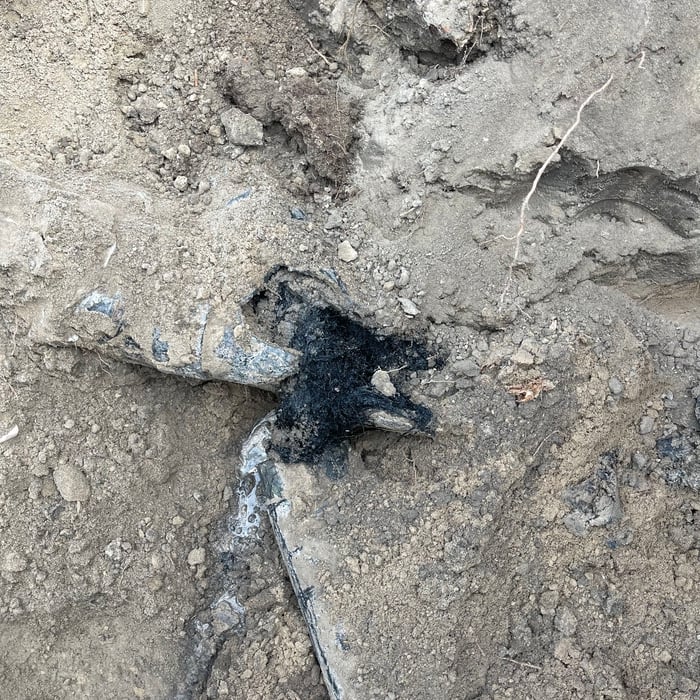
We offer services that include water line repairs to new construction house pads roads road maintenance sewer systems foundation driveways or anything with dirt and can give free estimates
Hello my name is ken I do all types of home remodeling for the last 14 years have been flipping house so I do all aspects an then some give me s call 801-400-8550 I travel a good distance if job is large
Installation necessitates professional expertise due to complexity and to ensure safety when handling waste.
There are many potential causes of low well water pressure. The most common include sediment buildup, leaking pipes, a failing well pump, or a cracked pressure tank.
Trenches are typically 12 to 24 inches deep and 8 inches wide. However, the required depth depends on the specific project and local ordinances. For example, a French drain may need to be 18 inches deep, while a water pipe might require a depth of 24 inches and a drainage pipe 36 inches. Your city or county may have specific regulations, so it's wise to consult with an excavation professional to determine the correct depth for your project.
The pressure in a well pressure tank should be set 2 to 3 PSI below the pump's cut-on pressure. The cut-on pressure is the lower number in the pressure setting (e.g., the '30' in 30/50 PSI) and is the point at which the pump starts. The cut-out pressure is the higher number, where the pump stops.
For example:
If your pressure switch is set to 30/50 PSI, the tank pressure should be 27-28 PSI.
If your pressure switch is set to 40/60 PSI, the tank pressure should be 38 PSI.
Common pressure settings for household applications include 20/40, 30/50, and 40/60 PSI. The difference between the cut-on and cut-out pressure is typically 20 PSI.
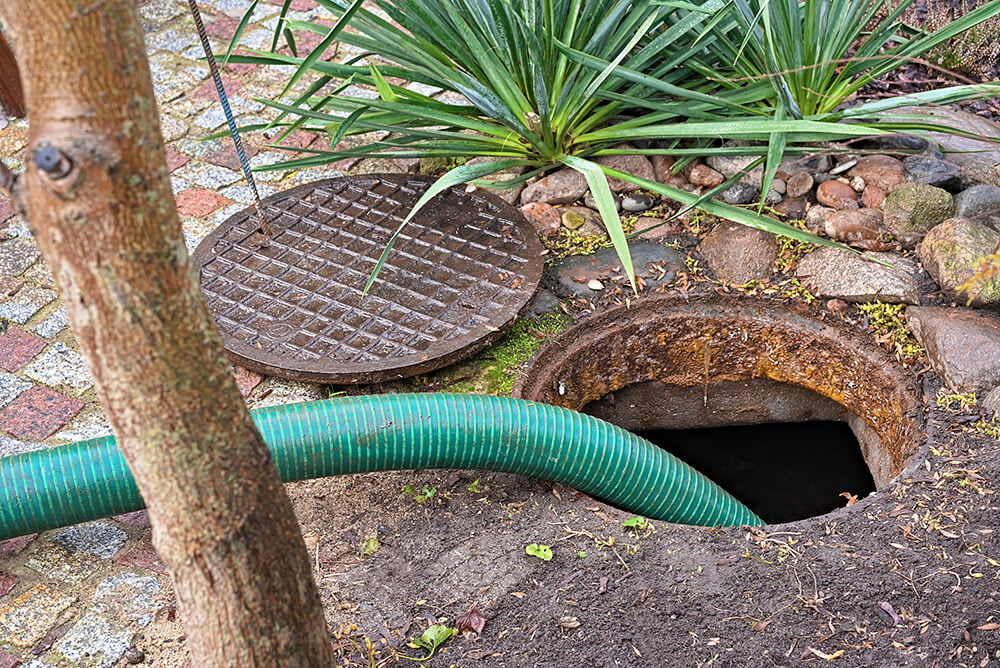
A septic system's lifespan typically ranges from 15 to 40 years, with a common average of 20 to 30 years. The longevity heavily depends on the tank's material, maintenance diligence, and usage habits. With proper care, lifespans can reach the upper end of this range.
Lifespan by Tank Material:
Concrete: 20 to 40 years
Plastic or Fiberglass: 30 to 40 years
Steel: 15 to 20 years
To maximize your system's lifespan, follow these maintenance best practices:
Regular Pumping and Inspections: Have the tank pumped every three to five years and schedule professional inspections regularly.
Mindful Usage: Only flush human waste and toilet paper. Avoid putting items like cat litter, paper towels, cigarette butts, fats, grease, oils, or coffee grounds down your drains.
Avoid Chemicals: Do not pour harsh chemicals into the system.
Water Conservation: Reduce the amount of wastewater your system has to process.
Protect the Drain Field: Avoid driving or building heavy structures over the drain field area.
The Millville, UT homeowners’ guide to septic tank services
From average costs to expert advice, get all the answers you need to get your job done.
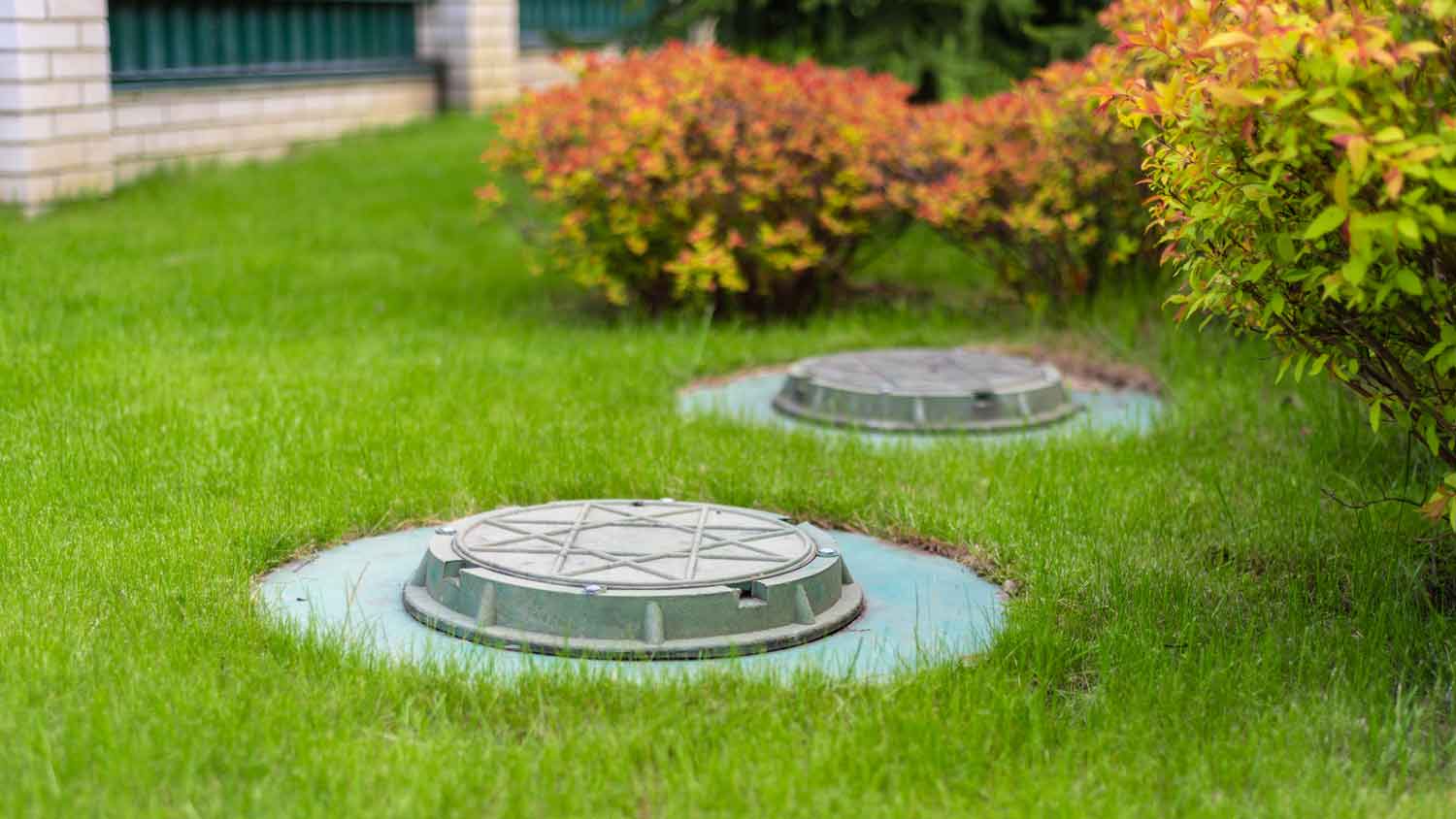
It’s crucial to install a septic tank with the right volume to avoid wastewater backups. This guide will help you calculate the right septic tank volume.
Septic tank sizes vary depending on the size of your home, how many people live there, how much water you use, and more. Read on to learn how to determine the right size for you.