



Top-rated aquarium service pros.

Best aquarium service pros near Millville, UT

Enter your zip and get matched with up to 5 pros

Need a pro for your aquarium service project in Millville, UT?

Select your specific project to find the pro for you.

TRUSTED BY MILLVILLE, UT HOMEOWNERS

  • Average homeowner rating star icon4.7
    Average homeowner rating
  • Verified reviews icon120
    Verified aquarium services reviews

Top-Rated Aquarium service pros in Millville - Updated Nov 2026

Avatar for Pacific Aquatech Services LLC
Pacific Aquatech Services LLC
New to Angi
Water Feature - Install a Pond

Serving Millville, UT and surrounding areas

Emergency services offered

Warranties offered

Small jobs welcome

Pacific Aquatech Services LLC proudly serves its customers with pride, integrity and attention to the details that matter most to you. This is one of the many things that sets us apart from the rest. We are locally owned and operated. Give us a call today! \n
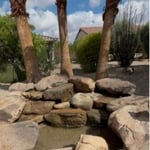
Water Feature
Aquarium Services FAQs, answered by experts

Although cesspits may be necessary depending on your main sewage system access or nearby soil quality, they carry a few drawbacks. Cesspools require regular emptying and have relatively high maintenance and pumping costs. Certain areas also disallow the use of cesspools and may require you to cover the cost of existing cesspools to be converted into septic tanks.

A septic system's lifespan typically ranges from 15 to 40 years, with a common average of 20 to 30 years. The longevity heavily depends on the tank's material, maintenance diligence, and usage habits. With proper care, lifespans can reach the upper end of this range.

Lifespan by Tank Material:

  • Concrete: 20 to 40 years

  • Plastic or Fiberglass: 30 to 40 years

  • Steel: 15 to 20 years

To maximize your system's lifespan, follow these maintenance best practices:

  • Regular Pumping and Inspections: Have the tank pumped every three to five years and schedule professional inspections regularly.

  • Mindful Usage: Only flush human waste and toilet paper. Avoid putting items like cat litter, paper towels, cigarette butts, fats, grease, oils, or coffee grounds down your drains.

  • Avoid Chemicals: Do not pour harsh chemicals into the system.

  • Water Conservation: Reduce the amount of wastewater your system has to process.

  • Protect the Drain Field: Avoid driving or building heavy structures over the drain field area.

You may notice a septic smell in your yard after it rains if groundwater is entering your septic tank and causing it to overflow. If you experience septic odors after rainfall, contact a licensed plumber. They can construct a drain to redirect rainwater away from your septic tank. 

Depending on the home, wastewater either goes into a septic tank and seeps back into the backyard or is sent via sewer system to a local sewage-treatment plant. Septic systems naturally separate different components of the waste so that it can naturally and safely disperse it. They are usually reserved for homes not served by a municipal sewage department (like rural homes). A treatment plant, on the other hand, speeds up that process through screening and purification.

Septic tanks can clog if they aren’t pumped every few years since solid waste accumulates inside of them. Your tank might also clog if you have a habit of flushing anything other than human waste or toilet paper. Items like diapers, baby wipes, paper towels, cat litter, and personal hygiene products should never go down your pipes.

The Millville, UT homeowners’ guide to aquarium services

From average costs to expert advice, get all the answers you need to get your job done.