




Top-rated landscapers.

Best landscapers near Milford, UT

Enter your zip and get matched with up to 5 pros

Need a pro for your landscaping project in Milford, UT?

Select your specific project to find the pro for you.

Top-Rated Landscapers in Milford - Updated Nov 2026

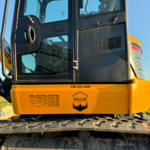
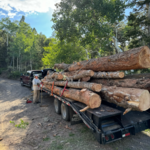
Ridge Line Precision Excavation LLC
5.0(
1
)
Landscape - Minor Grading or ReslopingLandscape - Minor Grading or Resloping - For Business

Serving Milford, UT and surrounding areas

Approved

In business since 2025

Free estimates

Offers commercial services

"I’m really happy with the rock wall RLP built for me. They did a great job, listened to what I wanted, and made it look just right. The wall feels solid and fits perfectly with the yard. I love how it adds a nice touch to the place. If you’re thinkin’ about getting a rock wall done, I’d definitely recommend these guys!"
Response time3 days
2 neighbors recently requested a quote
Showing 1-10 of 40
Landscaping FAQs, answered by experts

Consulting your local university extension, Audubon society, or municipal urban forestry program are all good ideas when choosing a tree to plant. You can also ask an arborist or a knowledgeable landscaping company for advice on good trees to plant.

The best size rock for your landscaping depends on the design, as different boulders serve different purposes. If you want to group boulders to create a natural-looking cluster, you’ll need a range of sizes. Otherwise, here are some suggestions:

  • Small boulders (smaller than 12 inches across): Best for landscape edging and fire pits 

  • Medium boulders (12–24 inches): Best for retaining walls and water features

  • Large boulders (more than 24 inches): Best as standalone landscaping features, steps, or walkways.

Of course, you can mix and match sizes to create a unique display.

Unless it only rains once in a blue moon where you live, you’re going to want water-loving plants in your garden bed or pot. A few ideas for plants that aren’t super fast-growing (meaning they’re good in pots or near foundations) and can handle a lot of standing water include: 

  • Acorus (Sweet flag)

  • Colocasia esculenta (Taro or elephant ear): In many climates, these are annuals, making them less desirable because you need to adjust the chain again after each replant.

  • Equisetum scirpoides (Dwarf horsetail rush): non-dwarf varieties of horsetail are fast growers and can take over quickly.

  • Juncus effusus (Curly rush)

  • Osmunda regalis (Royal fern): Royal fern can grow quickly but can also handle being crowded, making them good container plants.

Grass is the most popular and safest option for planting over a septic drain field, but you can also plant small flowering plants and other lightweight plants that don’t have woody or deep roots. Avoid trees and bushes within 10 feet of the field, as the woody roots can crack the perforated pipes. You should also avoid planting vegetable or fruit gardens over your drain field, as a leak from the pipes could contaminate the soil and put anyone who eats the produce at risk.

The primary disadvantages of xeriscaping are the high upfront cost and the significant labor required to establish it. A xeriscaping project can cost between $3,000 and $24,000 on average. Additionally, the resulting landscape will have less of a traditional green appearance, which may not appeal to everyone's personal taste and could potentially narrow your pool of buyers if you decide to sell your home. However, despite these initial drawbacks, the long-term benefits include saving water, time, and money on lawn maintenance.

The Milford, UT homeowners’ guide to landscaping services

From average costs to expert advice, get all the answers you need to get your job done.