




Top-rated driveway sealcoating pros.

Best driveway sealcoating pros near Kanab, UT

Enter your zip and get matched with up to 5 pros

Need a pro for your driveway sealcoating project in Kanab, UT?

Select your specific project to find the pro for you.

Top-Rated Driveway sealcoating pros in Kanab - Updated Nov 2026

Central Utah Coatings & Epoxy
New to Angi
Asphalt Sealing

Serving Kanab, UT and surrounding areas

In business since 2025

Free estimates

Credit card accepted

We take great pride in our experience, expertise, quality, and customer service that we provide to meet the consumer’s needs. It is our mission to provide excellent workmanship and complete customer satisfaction from start to completion of a project. In order to understand the needs and expectations of our customers, we take great care to work and communicate with every customer in a professional manner. Our reputation is based on service, safety, and quality, regardless of how large or small the job.

Driveway Sealcoating FAQs, answered by experts

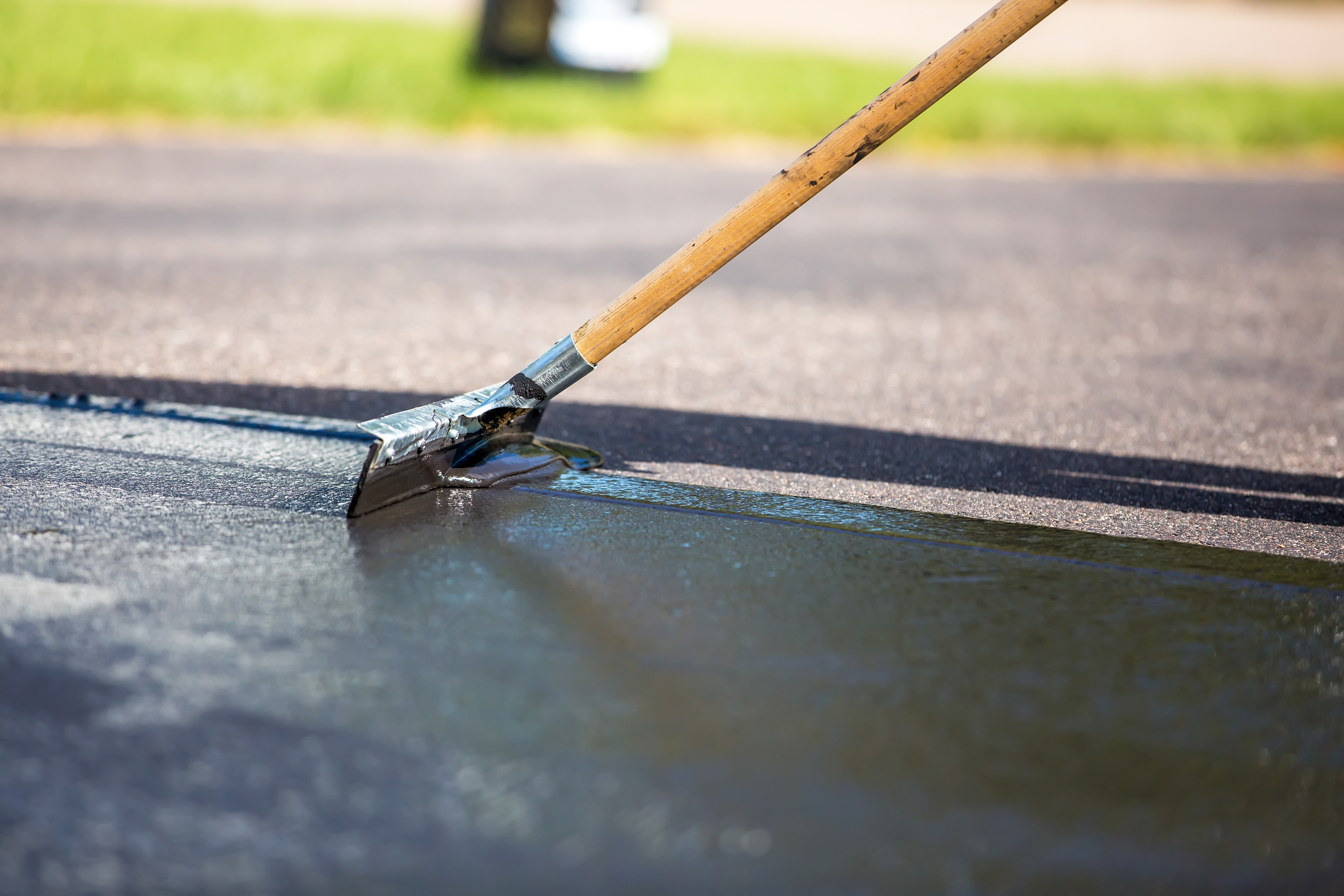
Ideally, you should seal your driveway when there won’t be rain for several days, but at a minimum, there can’t be rain for at least 24 hours. If it rains shortly after you seal your driveway, the water can wash away the sealer and render your work useless. You’ll have to wait for your driveway to dry out and try applying again. Note that some sealers—like oil-based sealers or specialty fast-drying sealers—may cure faster. Ask your contractor for information on timing before the install, and if there’s rain in the forecast, postpone the job.

What causes driveways to crack can vary by driveway material. Sealcoating with the right formula creates a protective "shell" over a driveway. Resealing a driveway on schedule helps to preserve its lifespan substantially by keeping it protected against damage from UV rays, motor oil, chemicals, hail, rain, snow, and more. If you don't reseal your driveway, this will lead to brittleness, cracking, and potholes that can eventually cause your driveway to fall apart.

If your asphalt driveway shows cracks, potholes, or standing water, it’s likely time for a repair. Cracks, big or small, let water seep in, weakening the base and causing further damage. Potholes are a sign of this weakening process in action while standing water suggests your driveway has poor drainage, which can cause even more issues. You may also see warping or buckling—a sign of a compromised base layer—or sinking pavement. Spotting these signs early on can help you save yourself a bigger repair bill in the future.

Yes, it’s possible to seal your driveway too much. Whether you have an asphalt or concrete driveway, sealing it every year opens your driveway to potential damage. Sealing an asphalt driveway annually may cause the seal to crack and peel even more. It may even trap oils within the asphalt that can leave you driving on a soft driveway. Avoid sealing your concrete driveway too much to prevent the concrete from cracking. If water enters these cracks, it can freeze, expand, and cause the cracks to worsen.

Like all driveway materials, asphalt can crack in the wrong conditions and with age. Many things can cause asphalt to crack, including shifting soil or settling under the foundation. Other common causes are driving oversized vehicles on the asphalt, tree roots, and using rock salt during the snowy season. Proper installation and sealing the driveway every 10 years can help prevent cracks.

The Kanab, UT homeowners’ guide to driveway sealcoating

From average costs to expert advice, get all the answers you need to get your job done.