




Top-rated driveway sealcoating pros.

Best driveway sealcoating pros near Austin, UT

Enter your zip and get matched with up to 5 pros

Need a pro for your driveway sealcoating project in Austin, UT?

Select your specific project to find the pro for you.

Top-Rated Driveway sealcoating pros in Austin - Updated Nov 2026

Central Utah Coatings & Epoxy
New to Angi
Asphalt Sealing

Serving Austin, UT and surrounding areas

In business since 2025

Free estimates

Credit card accepted

We take great pride in our experience, expertise, quality, and customer service that we provide to meet the consumer’s needs. It is our mission to provide excellent workmanship and complete customer satisfaction from start to completion of a project. In order to understand the needs and expectations of our customers, we take great care to work and communicate with every customer in a professional manner. Our reputation is based on service, safety, and quality, regardless of how large or small the job.

Driveway Sealcoating FAQs, answered by experts

Chip seal lasts only 5 to 8 years on average. This lifespan is significantly shorter than asphalt. It is also less durable. Therefore, chip seal driveway only works if the traffic volume is extremely low. Chip seal is also less resistant to storms and hails. As impact builds up, the chips may become misplaced, creating an uneven driving surface that sometimes becomes hazardous and may damage your tires or cause your vehicle to lose balance.

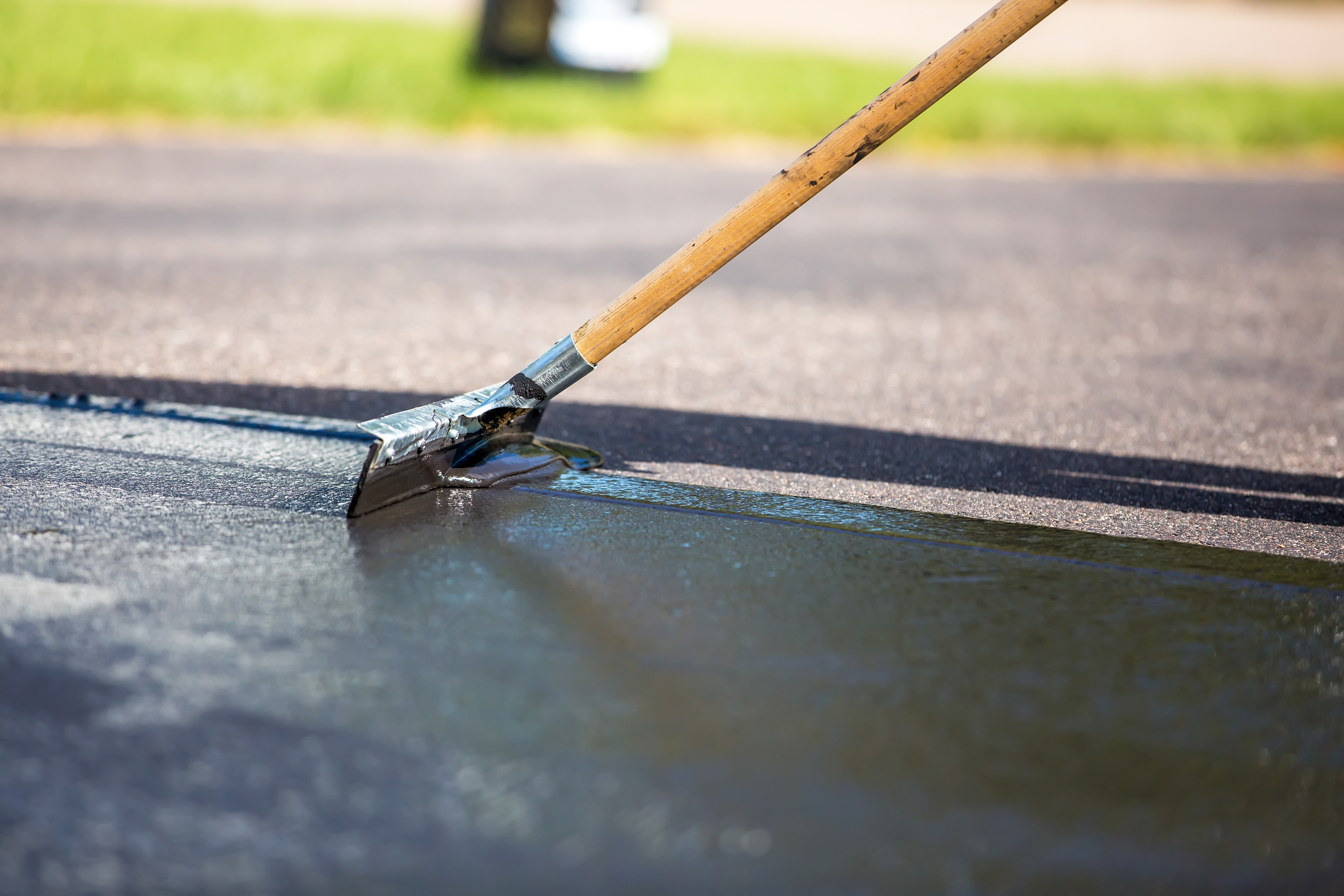
Sealing your driveway gives it the longest possible lifespan. You’ll reduce your driveway’s risk of cracking, breaking down from exposure to UV light, discoloring, and staining from road chemicals.

Oil-based sealers generally offer longer results for driveways in cold climates. If you experience extreme temperatures, oil sealants offer a level of flexibility that makes them expand and contract along with the freeze-thaw cycle instead of cracking.

New asphalt goes through two stages: drying and curing. Drying typically takes 24 to 72 hours, after which the surface is solid enough for light use like walking or careful driving. While you may be able to park on it after 72 hours, the surface is still soft and should be treated gently. Full curing is a much longer process, taking anywhere from 30 days to a full year for the asphalt to reach maximum strength. During this extended curing period, the asphalt is susceptible to damage from heavy vehicles, sharp objects, and high temperatures. Factors like weather, the specific asphalt mix, and application thickness all influence drying and curing times. For the most accurate timeline and to ensure the longevity of your new asphalt, it is always best to consult with your installation contractor for their specific recommendations.

The best ways to increase the lifespan of your driveway are to carry out proper maintenance and get repairs done quickly. First, reseal your driveway every one to three years to protect it from the elements. If you start to notice significant cracks, hire a professional to diagnose the problem before it gets more serious. You can also use sand instead of salt when de-icing your driveway (since salt is corrosive) and clean your driveway annually using a pressure washer to keep it in tip-top shape.

The Austin, UT homeowners’ guide to driveway sealcoating

From average costs to expert advice, get all the answers you need to get your job done.