


Top-rated driveway sealcoating pros.

Get matched with top driveway sealcoating pros in Central Vly, UT

Enter your zip and get matched with up to 5 pros

Need a pro for your driveway sealcoating project in Central Vly, UT?

Select your specific project to find the pro for you.

Find Driveway sealcoating pros in Central Vly

Central Utah Coatings & Epoxy
New to Angi
Asphalt Sealing

Serving Central Vly, UT and surrounding areas

In business since 2025

Free estimates

Credit card accepted

We take great pride in our experience, expertise, quality, and customer service that we provide to meet the consumer’s needs. It is our mission to provide excellent workmanship and complete customer satisfaction from start to completion of a project. In order to understand the needs and expectations of our customers, we take great care to work and communicate with every customer in a professional manner. Our reputation is based on service, safety, and quality, regardless of how large or small the job.

Driveway Sealcoating questions, answered by experts

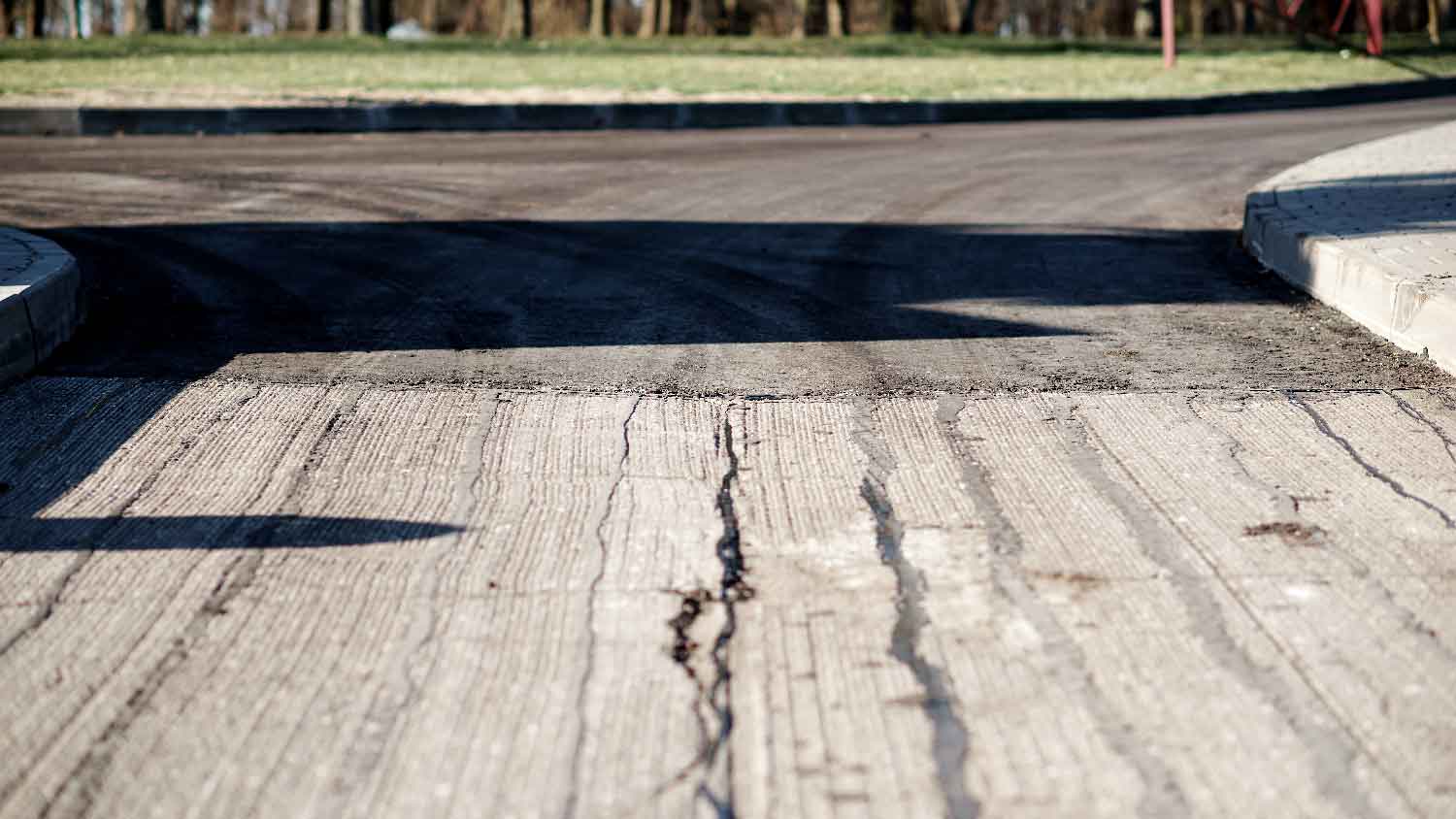
Like all driveway materials, asphalt can crack in the wrong conditions and with age. Many things can cause asphalt to crack, including shifting soil or settling under the foundation. Other common causes are driving oversized vehicles on the asphalt, tree roots, and using rock salt during the snowy season. Proper installation and sealing the driveway every 10 years can help prevent cracks.

A good rule for all homeowners is to seal every driveway to protect it. Wait at least three months to seal an asphalt driveway and one month to seal a concrete driveway. You know it’s time to reseal your driveway when it shows obvious signs of wear and tear. It may appear as fading or discolored asphalt, small cracks, and oil stains. If you notice that one area of your driveway seems to dry slower than others, it’s time to reseal.

There are more pros than cons, but there are a few disadvantages to sealing your driveway to be aware of. Sealant can make the surface slippery, which can be a hazard, especially when the driveway gets wet. Look for sealants with abrasive additives to help counteract this. You’ll also need to remember to reapply your sealant every two years and budget for the expense that comes with it.

Maintaining a driveway depends on its material. For concrete and asphalt, it's best to clean the surface thoroughly twice a year with a stiff broom and a pressure washer to remove accumulated dirt and debris. Sealing the driveway is crucial to protect it from water damage and freeze-thaw cycles. Before applying a sealant, pressure wash the surface to remove any loose sealant, dirt, or stains, as sealing over them will trap them. Any cracks or expansion joints should be filled with a flexible polyurethane caulk or asphalt sealer. In colder climates, use sand instead of salt for de-icing. Sand helps melt snow and ice without accelerating the freeze-thaw process, which can cause cracks.

The three most common types of asphalt are hot asphalt, MC cold mix, and UPM asphalt. Hot asphalt is used most often for paving and patching roadways while it’s hot and workable. MC cold mix asphalt cures more slowly than hot asphalt, but it can be used for temporary patches and repairs in low-traffic areas. UPM is also used cold, but it can be used as a longer-term fix, usable in almost any conditions at almost any temperature.

The Central Vly, UT homeowners’ guide to driveway sealcoating

From average costs to expert advice, get all the answers you need to get your job done.