




Top-rated plaster repair specialists.

Get matched with top plaster repair specialists in Henefer, UT

Enter your zip and get matched with up to 5 pros

Need a pro for your plaster repair project in Henefer, UT?

Select your specific project to find the pro for you.

Find Plaster repair specialists in Henefer

Avatar for Affordable Complete Ext Solutions Stucco & Stone
Affordable Complete Ext Solutions Stucco & Stone
4.6(
68
)
Plaster - InstallPlaster - Install - For BusinessPlaster - Repair+1 more

Serving Henefer, UT and surrounding areas

In business since 1996

Free estimates

Emergency services offered

"When TED first proposed the Job he went thru a verbal description explaining the work that needed to be done and I was impressed with his knowledge and insights. We did not haggle on price in that I had other estimates and wanted to give Ted the incentive to do the job right and in a timely manner. He met all those goals. While his scheduling could use a little help, he did our job in a reasonable timeframe. As a validation on the quality my neighbor saw what was done and immediately hired Ted to do their home which was the same color, etc. He is working on their house now."
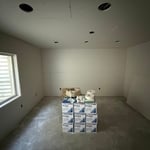
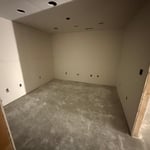
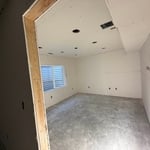
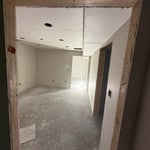
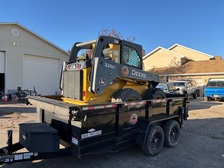
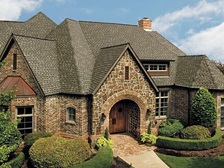
Additional Photos
Additional Photos
Additional Photos
Additional Photos
Additional Photos

+29

Recommended by98%of homeowners
Avatar for DRYWALL GUYS, L.L.C., THE
DRYWALL GUYS, L.L.C., THE
5.0(
2
)
Plaster - InstallPlaster - Install - For Business

Serving Henefer, UT and surrounding areas

In business since 2023

Free estimates

Warranties offered

"The Drywall Guys are the best! I had them come and fix some walls in my grandmas house and Jesus did such professional work and got everything done in a timely manner. I would recommend The Drywall Guys to anyone who needs this type of work done!"
Response time2 days
Recommended by100%of homeowners

Showing 1-10 of 13
Plaster Repair questions, answered by experts

Plastering lasts for around 15 to 20 years without needing repairs or maintenance in most cases, and with proper upkeep, plastering can last a lifetime—sometimes more than 100 years. Plaster repair costs between $1 and $3 per square foot, and you may need these services once every 15 to 20 years or so unless you have a harsh climate where humidity changes are a constant issue. You can also opt to skim-coat plaster for between $0.90 and $1.30 per square foot, which may serve you better in the long run.

Yes, you can install drywall over plaster, but there are important factors to consider. While it can create a smooth, flat surface, it is often not the best approach. Installing drywall over plaster will increase the wall's thickness, which can cause issues with existing window and door frames that may no longer fit. You might also need to adjust power outlets to keep them accessible. A better, though more expensive, option is to remove the old plaster and lath entirely before installing new drywall. Drywalling directly over plaster seals in the old material, and if any problems arise later, you will need to remove both layers down to the structural beams for repairs. Given the potential complications, this job is best handled by professionals.

The short answer is yes, a sagging plaster ceiling is dangerous. Sagging plaster on a wall is something you should fix immediately, but it isn’t a major concern. If the same type of sagging occurs on a ceiling, however, you could be in danger of your ceiling falling in large chunks. When plaster sags, it loses its strength and ability to hold itself up. The bonds that hold it together are strong, though, so if a sagging area falls, it will take large pieces down with it.

Although they have similar applications, spackle and joint compound are not the same. Their primary differences lie in their composition, consistency, and ideal use cases.

Spackle is composed of gypsum and binding agents, making it thicker than joint compound. It dries quickly and is easy to sand, which makes it ideal for small wall repair projects like filling nail holes or patching minor damage.

Joint compound, also known as drywall mud, consists of limestone and gypsum. It is primarily used for large-scale projects, such as taping and finishing the seams on newly installed drywall. It tends to shrink more than spackle and can be more difficult to spread.

While both products can be used to fill small depressions and cracks, spackle cannot replace joint compound for taping and mudding new drywall. Conversely, you can often use joint compound for small patching jobs typically done with spackle.

It is possible to apply plaster on the interior or exterior of your home, but we don’t recommend it. Plaster is easy to apply in theory, but in reality, it can be a challenging material to work with, and it’s difficult to get the finished product to look clean, even, and smooth. Many DIYers end up calling in a professional afterward to touch up the area or even redo it entirely because of mistakes they made in the process. Hiring a plaster pro will cost more, but it’s usually the best option to achieve high-quality results.

The Henefer, UT homeowners’ guide to plaster repairs

From average costs to expert advice, get all the answers you need to get your job done.