When pests show up, so do we.\n\nFor nearly a century, Terminix® has been one of America's most trusted names in pest control. Every day, our exterminators serve thousands of homes and businesses nationwide, combining national service with local knowledge to provide best-in-class, proactive pest management solutions. We stop problems before they start and respond quickly if issues arise, keeping your property protected.\n\nAnd for extra peace of mind, if pests come back, so do we — guaranteed.\n\nThe Terminix It Guarantee means that if pests come back, so do we, to re-treat at no additional cost. No excuses, just a commitment to care for your home like it's our own with protection you can trust.
"HANDS DOWN THE BEST BIRD CONTROL COMPANY! Brian was prompt, informative, affordable and friendly. He discussed different options and was the first company to tell me about tanglefoot. I am SO PLEASED with the outcome! We had a huge bird problem and donâ t anymore! I highly recommend his company!"
Family-owned and operated pest control company built on strong quality control and attention to detail. We take pride in delivering dependable service, thorough inspections, and proven treatments that protect homes and businesses.
With years of experience serving the Utah area, we are your solution for all your pest control needs. We take great pride in our extreme professionalism, timeliness and superior customer service on every job. We make sure to develop a lasting relationship so that the next time service is needed there will be no question on who to call. Check out our 5 star reviews from happy customers! Call us today so we can discuss your needs and make a plan that fits your budget. Satisfaction guaranteed!
Animal removal specialists specialize in removing critters and wildlife from in and around your home. These include:
Bats
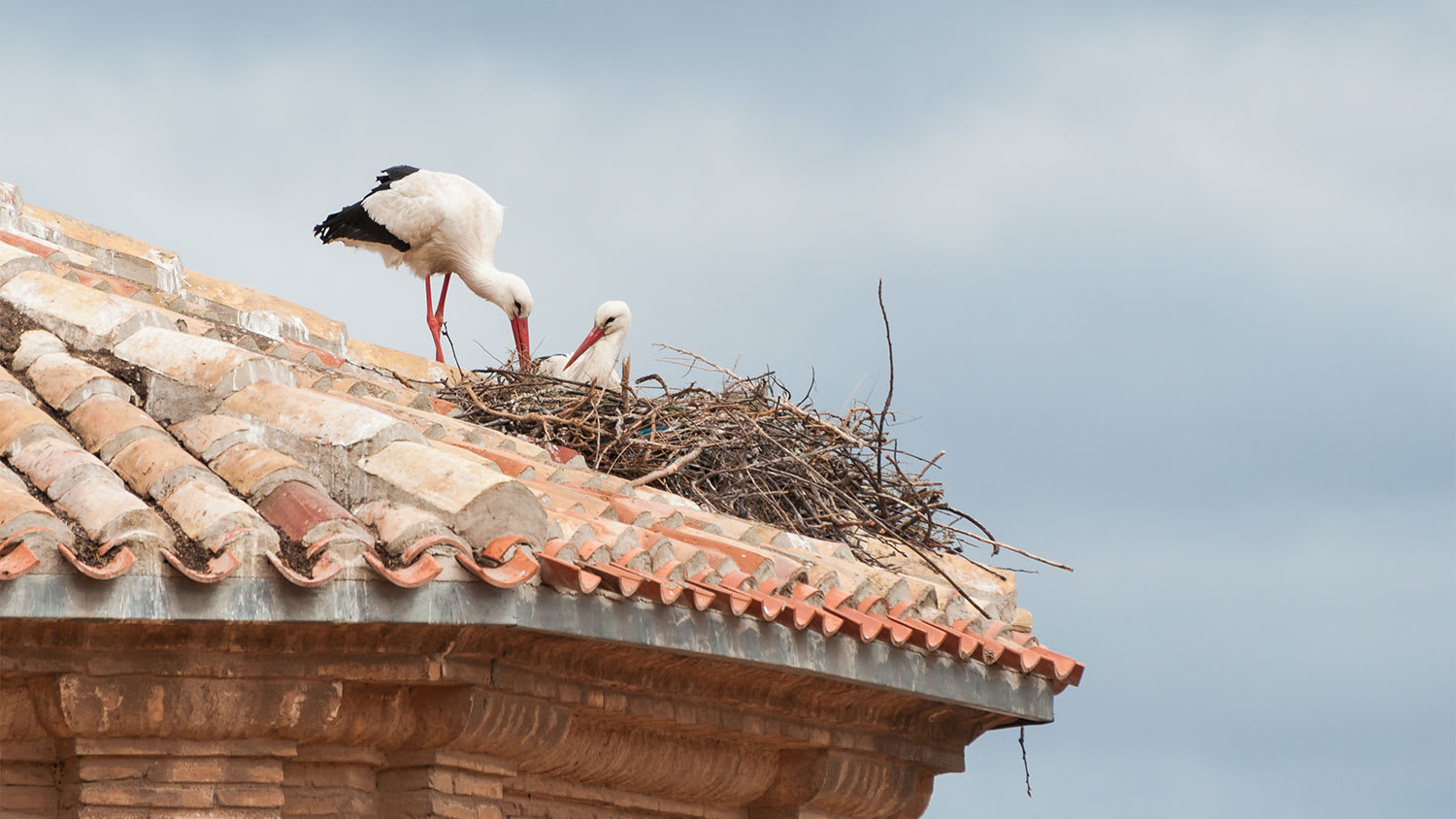
Birds
Groundhogs
Moles and voles
Opossums
Mice and rats
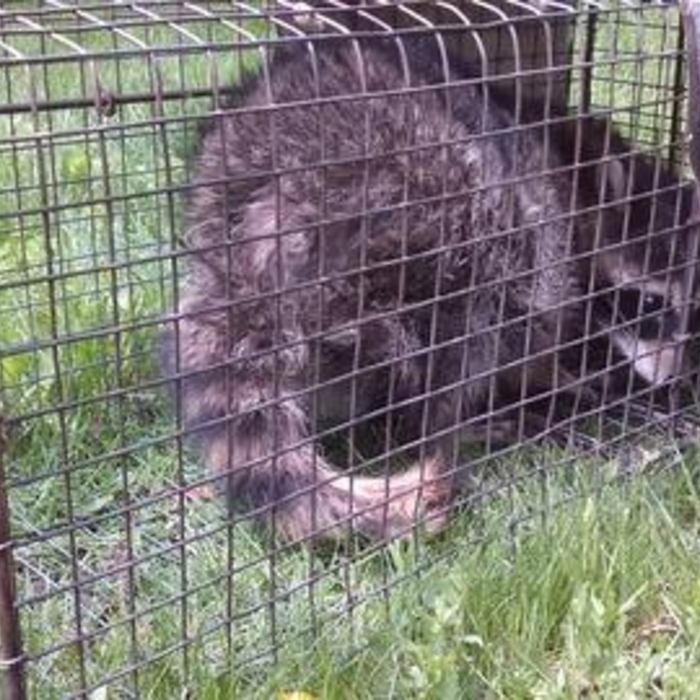
Raccoons
Skunks
Squirrels
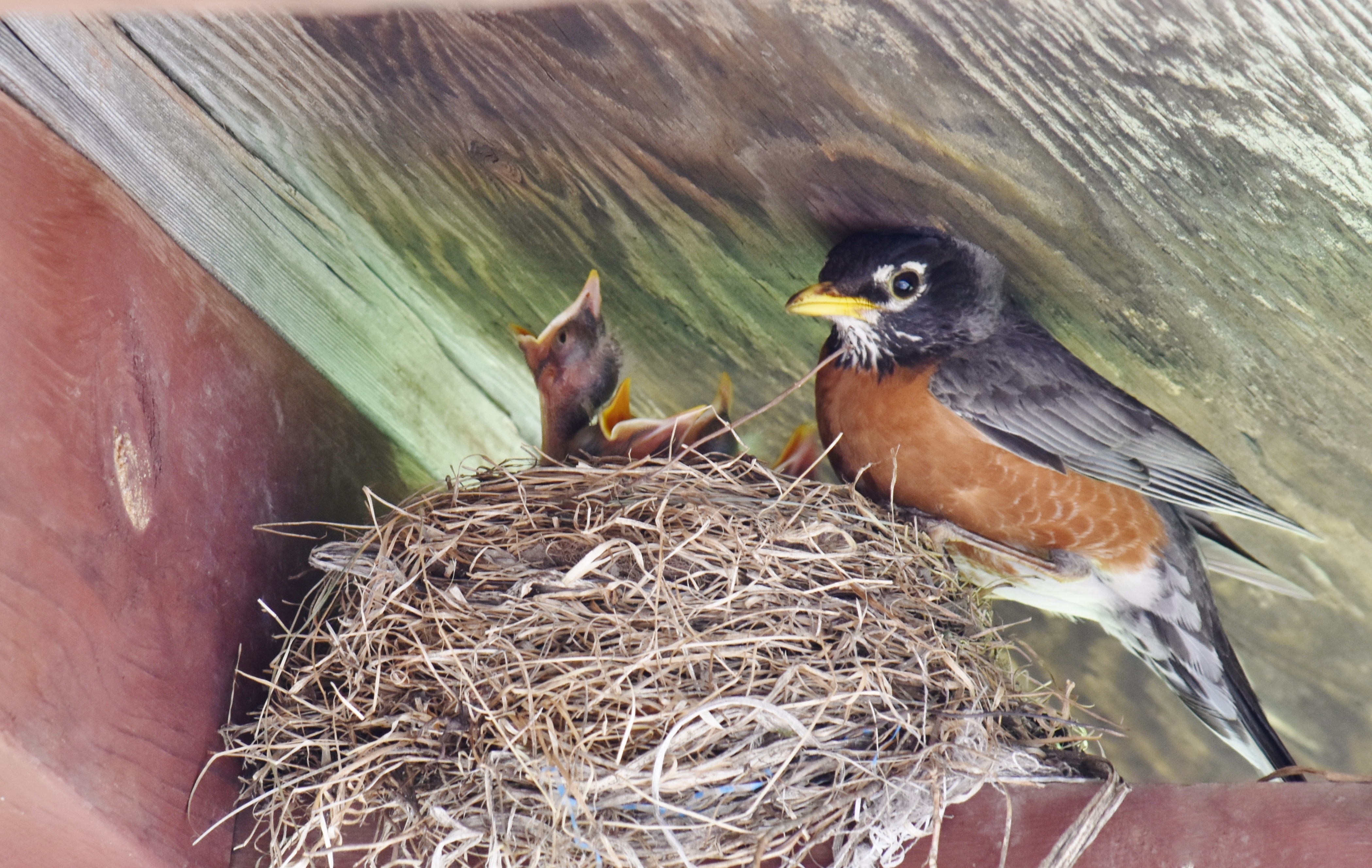
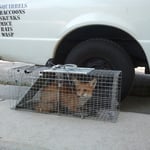
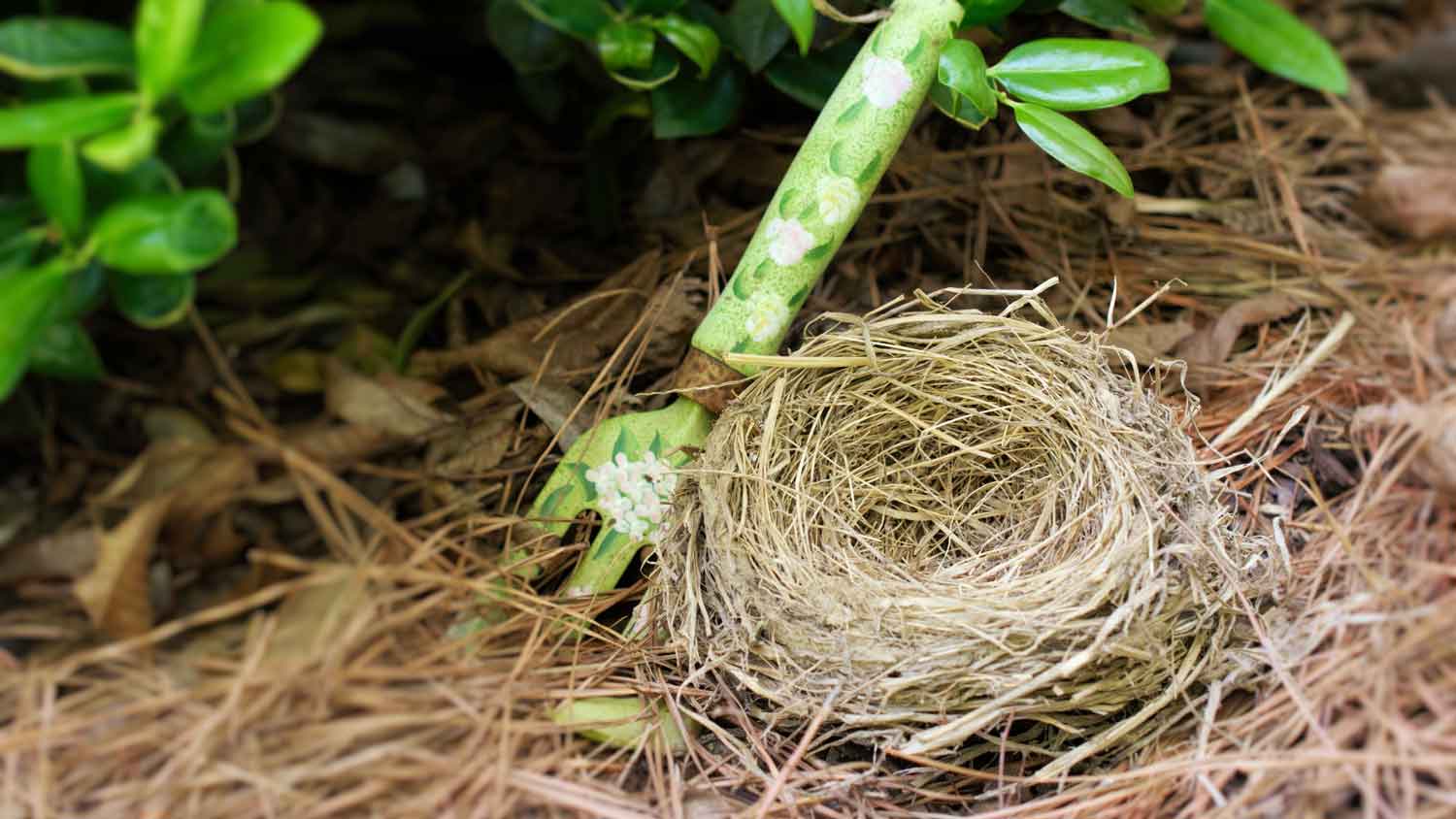
The specialist's method to remove these critters will depend on the animal. For example, groundhogs will be live-trapped and relocated, whereas, for birds, the expert will remove and discard the inactive nest and sanitize the area.
Studies indicate that owls don't possess a conventional sense of fear. However, they find intense, sudden human noise unsettling, like clapping or shouting. Additionally, owls are likely spooked by sudden bursts of bright light. While they may not experience fear as humans do, these disturbances can disrupt their natural behaviors, making it essential to minimize such disruptions when sharing spaces with these remarkable creatures.
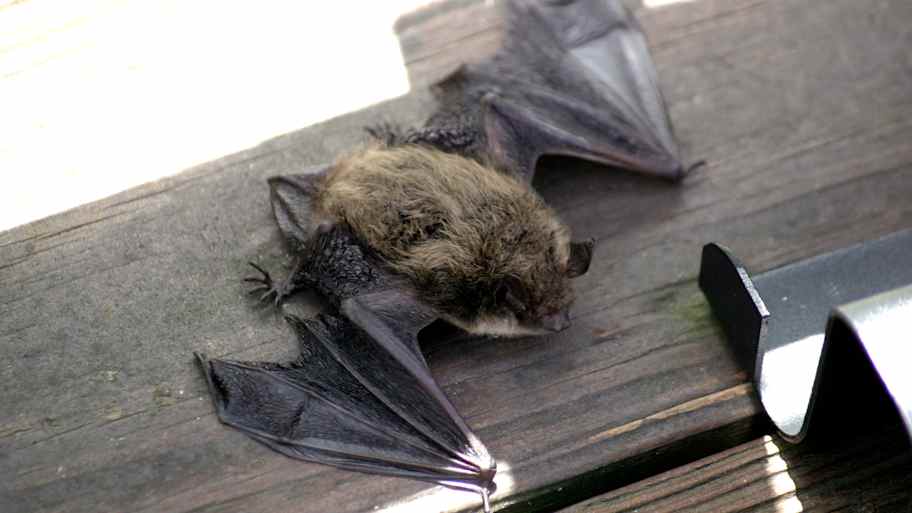
Yes, bats can cause quite a bit of damage to the attic. Their weight and movement from flying around can damage insulation, and they can chew through wiring and the walls. As if this isn’t enough, they leave their droppings throughout, which carry harmful bacteria and is dangerous for humans to breathe in, not to mention the extremely foul-smelling odor.
Yes, in some cases if your damper is left open, animals can come down your chimney. In these instances, it’s more likely that they have fallen in while looking for a safe spot rather than entered your house intentionally. Leaving your damper closed or installing a chimney cap can prevent animals from coming inside.
Hawks might seem like fearless predators, but these smart birds do know what other animals to be cautious around. Hawks are naturally wary of humans and predators that see them or their eggs as a potential meal or threat. This list includes owls, crows, eagles, and even snakes or raccoons.
The Grantsville, UT homeowners’ guide to bird control services
From average costs to expert advice, get all the answers you need to get your job done.
Sometimes birds nest in unwelcome places. Find out how much bird nest removal will cost based on factors like location, bird species, and preventative measures.