"They were great and amazing. I deal with a lot of contractors and he is by far the best. He gave me a good bid and came in under budget when the job was complete."
We take great pride in our experience, expertise, quality, and customer service that we provide to meet the consumers needs. It is our mission to provide excellent workmanship and complete customer satisfaction from start to completion of a project. In order to understand the needs and expectations of our customers, we take great care to work and communicate with every customer in a professional manner. Our reputation is based on service, safety, and quality, regardless of how large or small the job.
With over 20 years of experience in the asphalt industry, we are the experts you need to take care of your home. We handle everything and will treat your business needs as we would treat our own. Give CKC Asphalt Service, a call today. We look forward to working with you!\n\n
Our team is passionate & professional and committed to providing the absolute best experience for our clients. Our obsession over cost, schedule, safety, and quality ensures that projects are completed on time, within budget, and with impeccable attention to detail.\n\nFrom beginning to end of every project, our goal is to bring every aspect and detail of our client's concept to reality. We believe that strong communication, integrity, organization and honesty are the principles that have given us such a trusted reputation in a competitive industry. We are proud of the work that we do, and passionate about bringing visions to life. Give us a call today!\n
Wasatch Road Builders, LLC is a premier asphalt sealing and repair company with over 10 years of experience. We make your asphalt brand new and promise a quality job done right the first time. Come talk to us today for a free consultation and to see how we can help with your asphalt needs!
Driveway Sealcoating questions, answered by experts
To maintain their strength, asphalt driveways and parking lots need to be sealcoated once every two to five years. You may also need to reapply paint striping every few years as it fades to ensure drivers can safely navigate the parking lot.
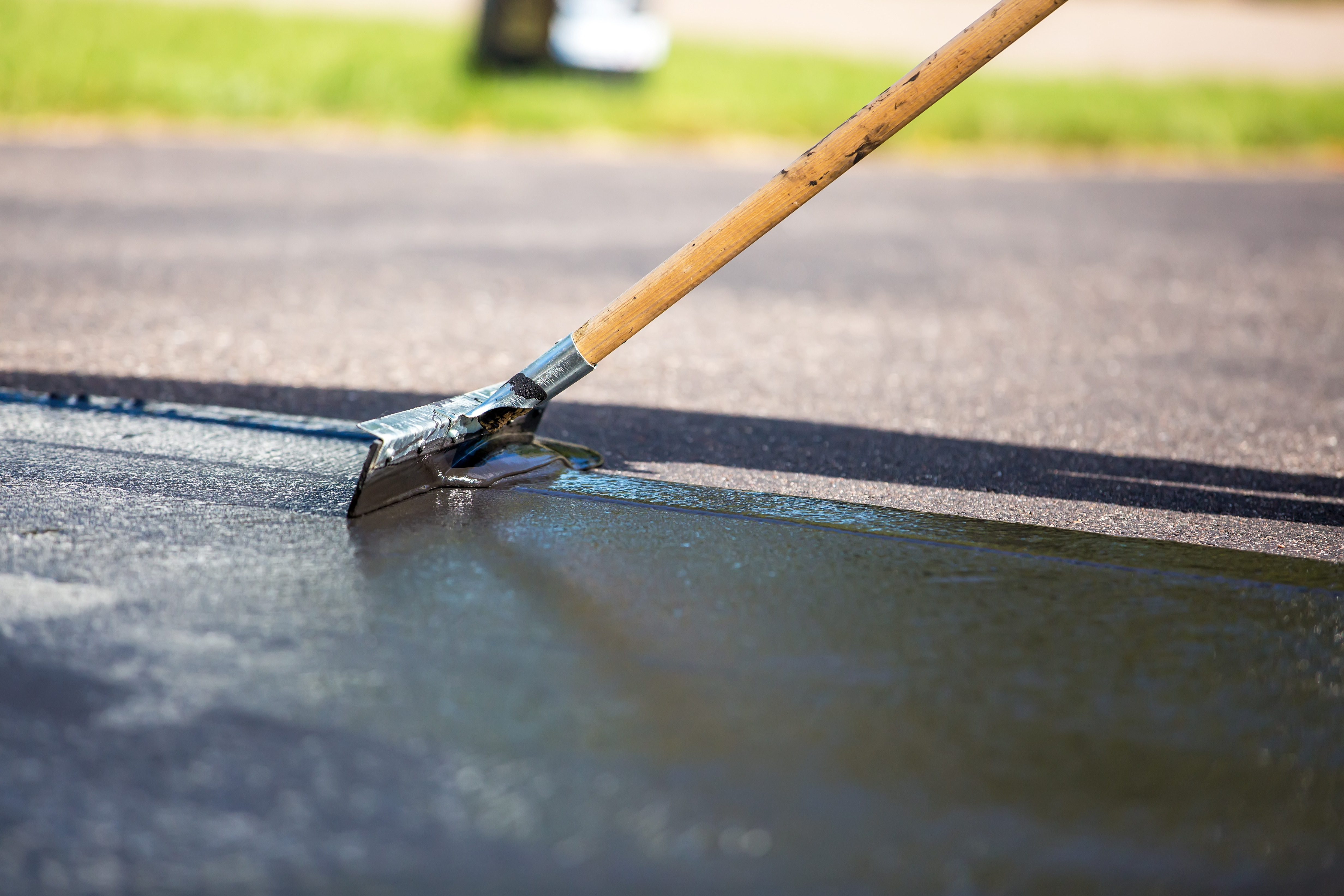
If you don’t want to seal the entire driveway using a squeegee, you can use a roller instead. Rolling the driveway sealer also provides an even, sufficient coating, although it might require more skills to control the speed and pressure. We don’t recommend spraying the driveway sealer because it would cause more splash, hence wasting more material. If anything, you may spray the sealant and go over the surface again with a squeegee to ensure proper coating.
Costs depend on lot size, sealant quality, labor, and any additional surface preparation.
Many services include sealing as part of the repair process. Confirm with your provider.
Professionals provide high-quality sealants and applications, extending pavement life and enhancing appearance.
The Ferron, UT homeowners’ guide to driveway sealcoating
From average costs to expert advice, get all the answers you need to get your job done.
The cost of a tar and chip driveway falls between gravel and asphalt. Is this unique process the happy medium you've been looking for? Let's take a look.
The average driveway coating takes between 30 minutes and eight hours to dry, but weather and sealant type can influence the dry time. Read on to learn more.