






Top-rated deck maintenance specialists.

Get matched with top deck maintenance specialists in Dammeron Valley, UT

Enter your zip and get matched with up to 5 pros

Need a pro for your deck maintenance project in Dammeron Valley, UT?

Select your specific project to find the pro for you.

Find Deck maintenance specialists in Dammeron Valley

Avatar for Ritchie, LLC
Ritchie, LLC
New to Angi
Deck, Fence, Patio or Porch - Clean and SealDeck, Fence, Patio or Porch - Clean and Seal - For Business

Serving Dammeron Valley, UT and surrounding areas

In business since 2016

Free estimates

We're a locally owned and operated company with 15 plus years of industry experience. We value honesty and integrity, and stand behind our work. We specialize in both interior and exterior residential and commercial painting projects. We pride ourselves on the quality of our work as well as our commitment to outstanding results. We look forward to building long-term relationships with our clients and guarantee your satisfaction!

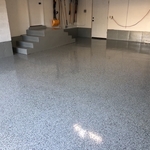
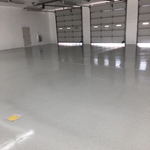
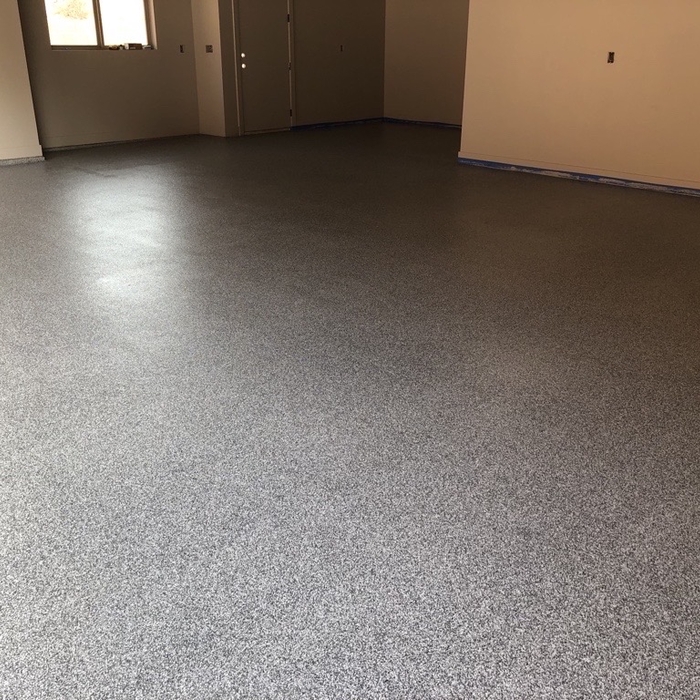
Concrete Floor Coatings
Kanab Fire House
Concrete Floor Coatings
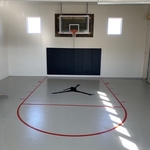
Jump Man Court
Concrete Floor Coatings

+4

Response time2 days
Deck Maintenance questions, answered by experts

Most building codes list a minimum width of 36 inches and a maximum height of 7¾ inches. However, for the most comfort and spaciousness, you’ll want to aim for a width of at least 48 inches and a height of 7 inches. Again, it’s always a good idea to base your numbers off steps that you already use comfortably.

Building codes for deck railings can vary by location, so it's important to consult your local regulations before construction. Generally, a guardrail is required for any deck that is more than 30 inches above the ground.

For residential properties, the standard minimum height for a deck railing is 36 inches. However, some states and municipalities have stricter requirements; for example, California and Washington mandate railings that are at least 42 inches high. Therefore, a 42-inch railing is not considered too high and may be required in your area or chosen voluntarily for additional safety.

In addition to height requirements, codes also specify other safety features, such as the maximum spacing between balusters to ensure they are close enough to prevent a child from squeezing through.

While you can use various materials like sand or even just soil, gravel is widely considered the best option to put under a deck. It provides excellent drainage and is resistant to water, fire, and pests. Gravel also helps anchor the soil to prevent erosion during heavy rain and acts as a built-in weed blocker, reducing regular upkeep. Furthermore, it is simple to spread, available in various textures and tones, and adds a polished look that complements any deck design.

Yes. Freestanding or floating decks are exactly what the name implies—structures with their own support beams. You can build a deck yourself and place it next to a house for the illusion of a connected deck without the hassle. Or you can construct it in a separate part of your yard for a dedicated outdoor entertainment space. For the purpose of removing a freestanding deck, the steps are the same as an attached deck, but you don’t have to cut the deck away from the home.

Wood decks need to be replaced every 10 to 15 years on average. Natural wood is highly vulnerable to infiltration and damage from moisture, which can occur rapidly due to exposure to outdoor elements. You can protect your deck and maximize its lifespan by sealing it every year or two.

The Dammeron Valley, UT homeowners’ guide to deck maintenance services

From average costs to expert advice, get all the answers you need to get your job done.