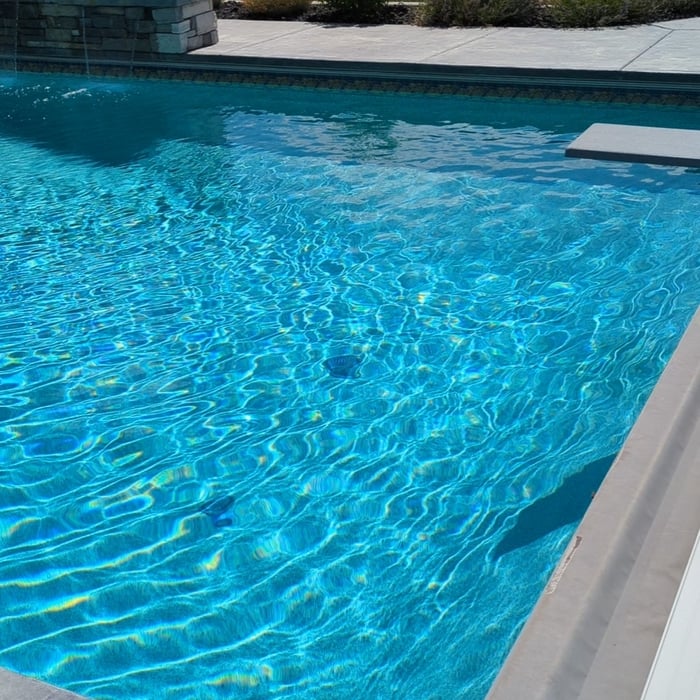




"Chase does a great job at a very reasonable rate. He maintains our in ground pool all summer, opens and closes the pool. Exceptional quality every time. Additionally, if I am not home he sends a text to let me know he is on the way and again when done to let me know how the condition of the pool. Also he works around our schedule if we are using the pool. Highly recommend anyone to hire Chase."
Plumbing service and repair,water heaters, water softeners, recipes, remodels.We guarantee your satisfaction and we won’t leave until the job is done right. We pride ourselves on the quality work we provide, while delivering great customer service! Check out our services offered and call or click to schedule a free estimate today.
We pride our company on reliability, great communication, integrity, and quality work. We are experts in our trade and will do our best to keep you as educated as we can on your particular task or project. We look forward to earning your business!\n
Install Above Ground Pools questions, answered by experts
It’s okay to leave a pool pump on 24-7. In fact, running it continuously has big upsides, including consistently distributing chemicals, keeping a steady pool temperature, preventing algae growth, and keeping pool water clean. However, there is a tradeoff—operating a pool pump around the clock increases energy costs and can take a toll on the pump’s longevity. If you want to run your pool pump all the time, invest in energy-saving equipment like a variable-speed pump.
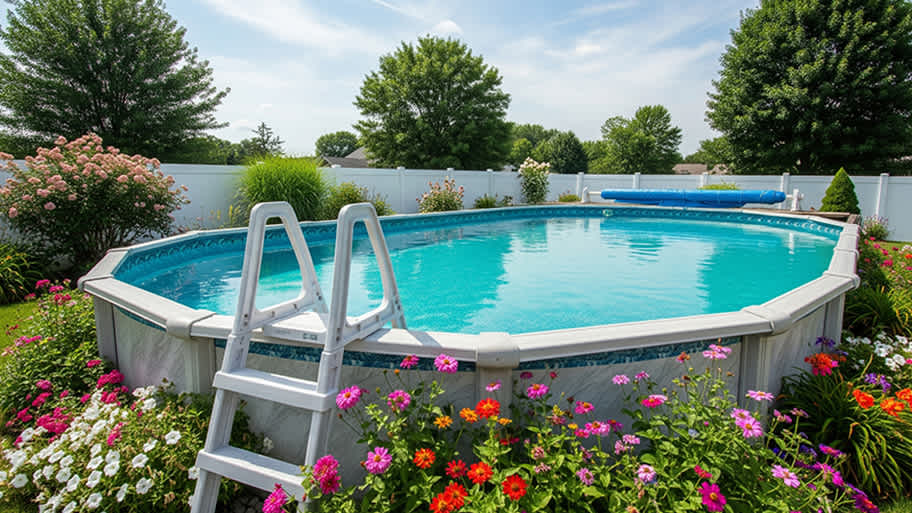
In-ground pools are more durable and have a longer lifespan, but aboveground pools are an excellent option for homeowners on a budget. Aboveground pools are also easier to remove if you no longer want to maintain one.
The cost of an aboveground pool is $800 to $5,000 for materials and $1,000 to $3,000 for labor. Before deciding, weigh the pros and cons of each pool.
Your aboveground pool might technically be able to stand without water, but you shouldn't consider it stable. Aboveground pools need the weight of water to provide adequate stability and prevent the walls from collapsing in. Be sure to fill your pool with water as soon as possible after installation.
The depth of your pool depends on its intended use, the size of your lawn, and whether you opt for an in-ground or aboveground pool. Aboveground pools tend to be between four and six feet deep while in-ground pools range anywhere from three to eight feet. Permanent installations also have the option of shallow and deep ends.
You don’t need to drain the whole pool to patch a pool liner, but be prepared to dive in with your swimsuit and goggles to patch a leak below the water level. By draining the pool, you can actually expose the liner to more harsh conditions, like wind and sunlight, that cause the tears to worsen. It’s best to use the ink test and waterproof patches or tape to identify the leak and patch it up.
The Corinne, UT homeowners’ guide to above ground pool installation services
From average costs to expert advice, get all the answers you need to get your job done.
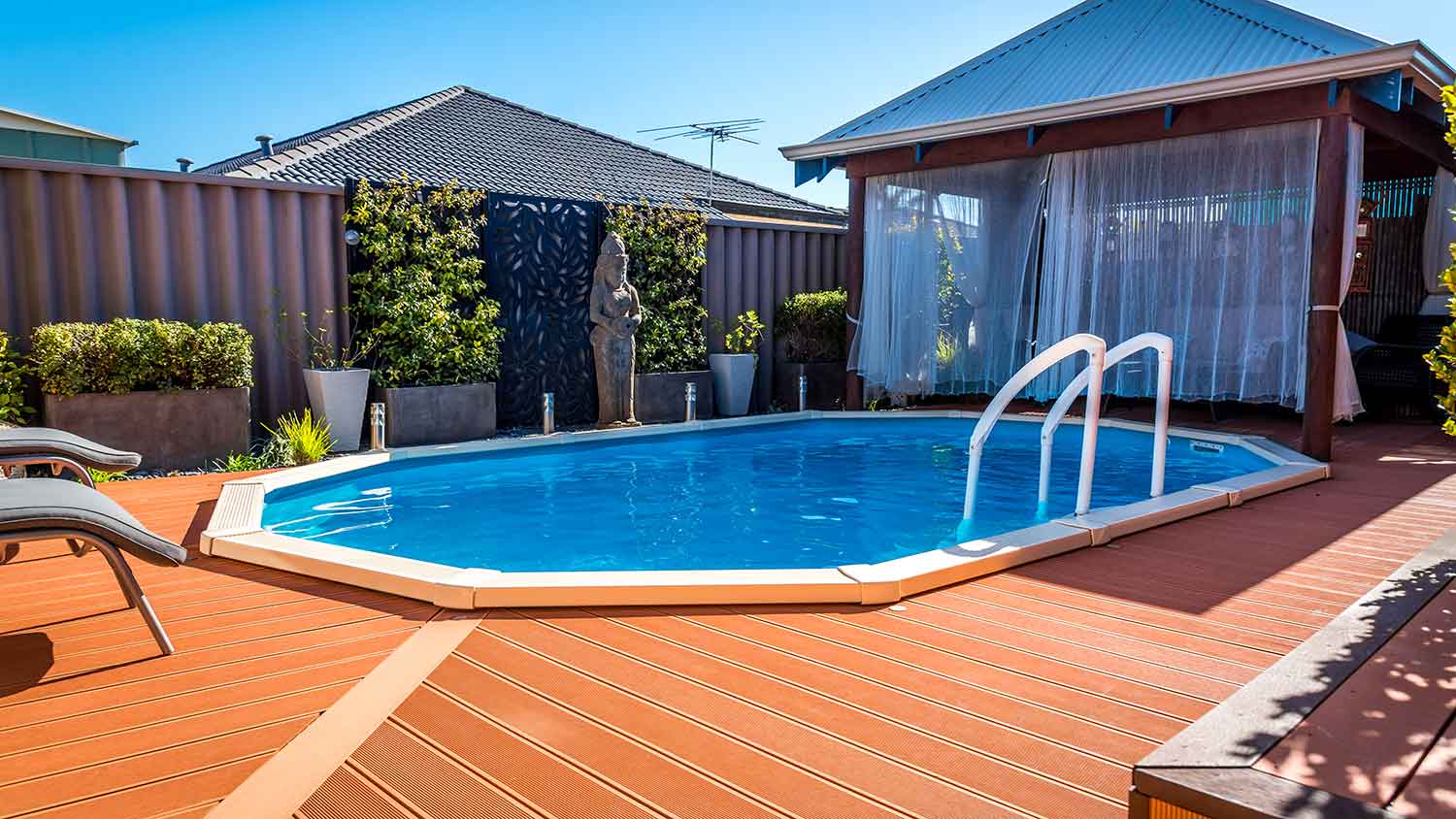
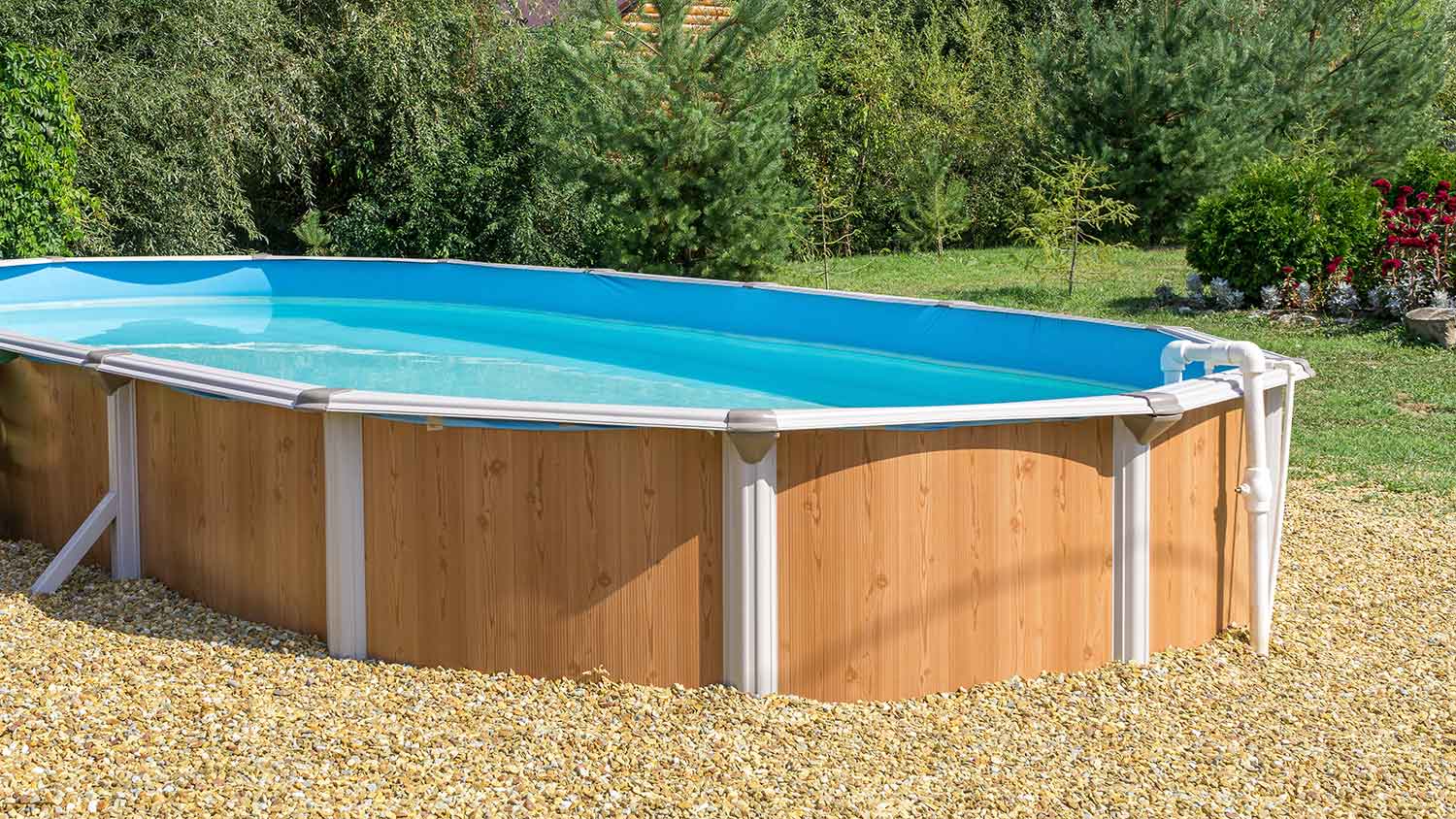
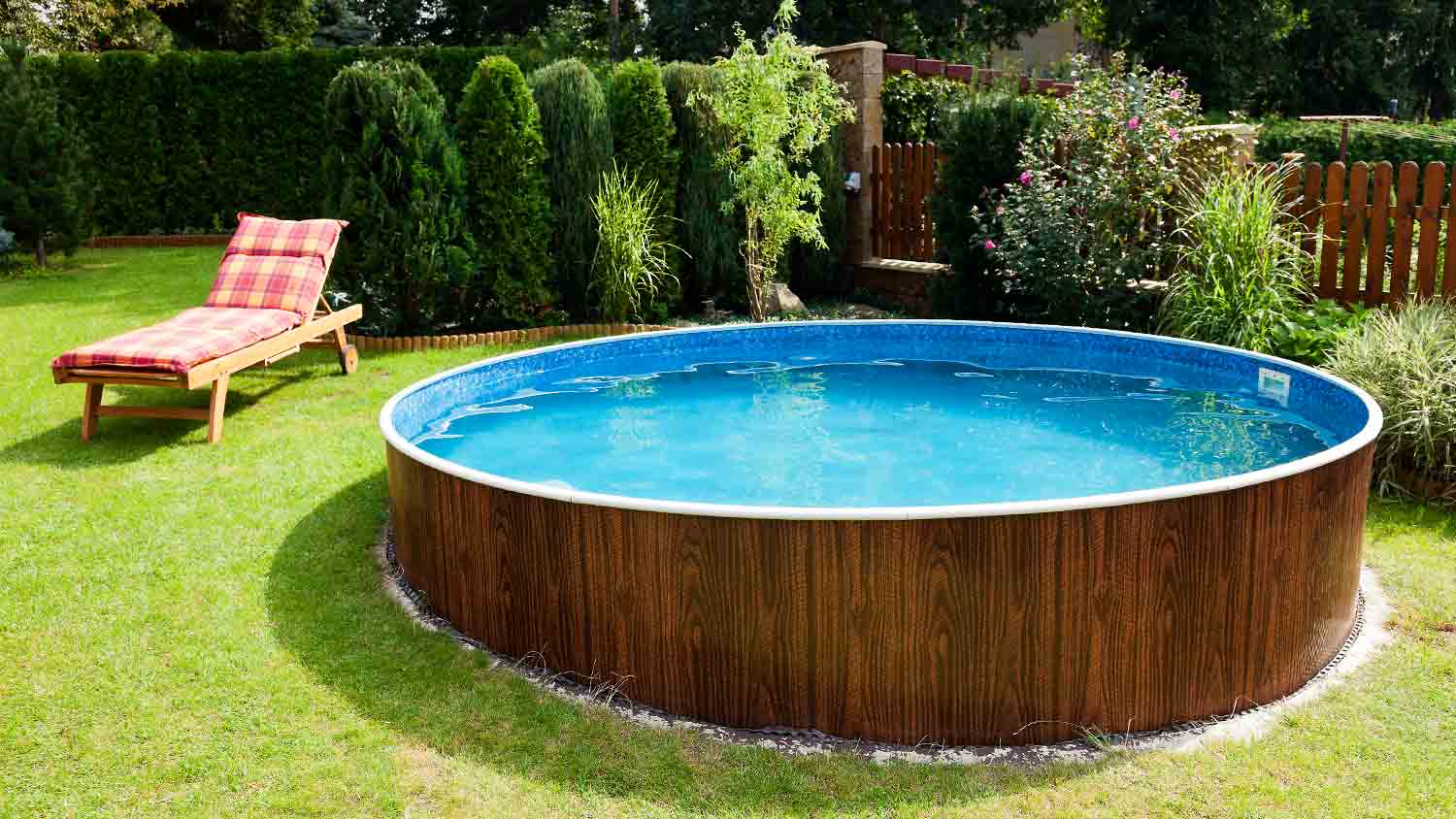
Ready for a backyard oasis? Learn everything about above ground pool installation, including average costs, site prep, and how to hire local pool installers.
Above ground pools are more affordable than inground pools, so can you put an above ground pool in the ground to save money? Learn when it’s safe to do so.