




Top-rated energy efficiency auditors.

Get matched with top energy efficiency auditors in Corinne, UT

Enter your zip and get matched with up to 5 pros

Need a pro for your energy efficiency auditing project in Corinne, UT?

Select your specific project to find the pro for you.

Find Energy efficiency auditors in Corinne

Avatar for Performance Air
Performance Air
5.0(
6
)
Energy Audit - For BusinessHome Energy Audit

Serving Corinne, UT and surrounding areas

In business since 2001

Free estimates

Emergency services offered

"Performance Air with Brent is the only choice when it comes to all your heating and AC needs! He is honest, fair and just a great person to do business with. When the old AC finally dies, I will be using Performance Air! Just now, he upgraded my thermostat that wasn't allowing me to turn up the heat!"

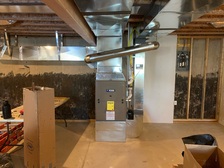
97% carrier furnace, 16 seer A/C and on demand water heater
Additional Photos
Additional Photos
Additional Photos
Additional Photos

+11

Recommended by100%of homeowners

Avatar for King home inspections and maintenance
King home inspections and maintenance
New to Angi
Home Energy Audit

Serving Corinne, UT and surrounding areas

Small jobs welcome

I help homeowners protect and improve their biggest investment. Full-service home inspections, maintenance, repairs, and remodels. Hands-on expertise, straight-forward communication, and a blue-collar work ethic you can count on.

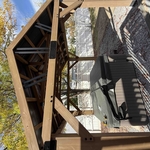
Pergola install
Energy Efficiency Auditing questions, answered by experts

A small sump pump running infrequently uses an average of 10 kilowatt-hours (kWh) of electricity per month. The average cost for electricity is $0.171 per kWh. The size and use frequency affect how much electricity it uses. Sump pumps average one-third to one horsepower (hp) motors. One hp is equal to 745.7 watts. Watts multiplied by the time your pump is running divided by 1,000 equals your average kWh. Multiply kWh by your average cost of electricity. In areas with high rain or a marsh basin, the average cost can be as high as $15-$25 a month.

Motion-sensor lights use one watt while on standby and five watts while turned on. They’re usually on for one hour over a 24-hour period, bringing the total wattage to about 28 watts per day. LED lights use around 6.5 to 8 watts while on. If you leave an LED light on all night, with night ranging from 10 to 14 hours, you’re looking at using 65 to 112 watts a night. You can minimally cut your wattage in half by switching to a motion-sensor light.

Replacing a window frame will improve your home’s energy efficiency if the old frame is cracked or damaged in a way that allows unconditioned air from the outside into your living space or if you upgrade to a more energy-efficient window frame material. Aluminum is the least energy-efficient window frame material, followed by vinyl and wood. Fiberglass and composite frames are the most energy-efficient.

Energy output depends on turbine size, average wind speed at your site, and system efficiency. A 5 kW turbine in a good wind location can generate 8,000 to 12,000 kilowatt-hours per year, which may cover a large portion of an average home’s needs. Accurate output estimates require a professional wind assessment and a review of your household’s energy usage patterns.

Energy-efficient windows cost more than other window types, but they can help you save on your monthly energy bills, get you some breaks on your taxes, and even increase the value of your home. According to Michael S. Regan, Administrator of the U.S. Environmental Protection Agency, when people invest in green upgrades like energy-efficient windows, they save energy, money, and more.

The Corinne, UT homeowners’ guide to energy efficiency auditing services

From average costs to expert advice, get all the answers you need to get your job done.