



Top-rated energy efficiency auditors.

Best energy efficiency auditors near Penrose, UT

Enter your zip and get matched with up to 5 pros

Need a pro for your energy efficiency auditing project in Penrose, UT?

Select your specific project to find the pro for you.

Top-Rated Energy efficiency auditors in Penrose - Updated Nov 2026

Avatar for Performance Air
Performance Air
5.0(
6
)
Energy Audit - For BusinessHome Energy Audit

Serving Penrose, UT and surrounding areas

In business since 2001

Free estimates

Emergency services offered

"Performance Air with Brent is the only choice when it comes to all your heating and AC needs! He is honest, fair and just a great person to do business with. When the old AC finally dies, I will be using Performance Air! Just now, he upgraded my thermostat that wasn't allowing me to turn up the heat!"

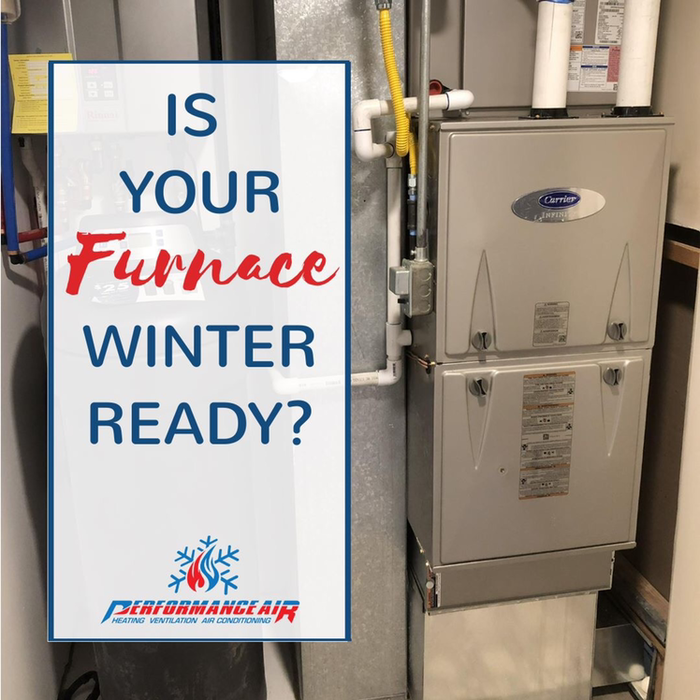
97% carrier furnace, 16 seer A/C and on demand water heater
Additional Photos
Additional Photos
Additional Photos
Additional Photos

+11

Recommended by100%of homeowners

Energy Efficiency Auditing FAQs, answered by experts

Energy output depends on turbine size, average wind speed at your site, and system efficiency. A 5 kW turbine in a good wind location can generate 8,000 to 12,000 kilowatt-hours per year, which may cover a large portion of an average home’s needs. Accurate output estimates require a professional wind assessment and a review of your household’s energy usage patterns.

Motion-sensor lights use one watt while on standby and five watts while turned on. They’re usually on for one hour over a 24-hour period, bringing the total wattage to about 28 watts per day. LED lights use around 6.5 to 8 watts while on. If you leave an LED light on all night, with night ranging from 10 to 14 hours, you’re looking at using 65 to 112 watts a night. You can minimally cut your wattage in half by switching to a motion-sensor light.

String lights require electricity, but not an excessive amount, especially when compared to other lighting fixtures. LED rope lights, for instance, consume around one watt per foot. Running six or seven light strings simultaneously should only cost you around $10 to $15 each month. You can save even more money by remembering to turn off your lights during daylight hours. 

You can save money on heating oil through a combination of improving home efficiency and smart purchasing strategies.

Home Efficiency and Usage:

  • Improve Insulation: Ensure your home, especially the basement and attic, is well-insulated and sealed against drafts to prevent heat leakage.

  • Manage Your Thermostat: Use a properly calibrated and programmable thermostat. Lower the temperature by a few degrees, particularly when you are away from home or asleep.

Purchasing Strategies:

  • Buy in the Off-Season: Order heating oil during the summer months when prices are generally at their lowest. This strategy is most effective if you have a large primary tank or a separate storage tank to accommodate bulk deliveries.

  • Consider a Delivery Contract: Some companies offer contracts with a set price for the term. This can lead to savings if market prices for oil increase, but you might pay more if prices drop.

Dehumidifiers typically use 300 to 700 watts of electricity per hour, whereas portable dehumidifiers use about 40 watts per hour. The exact amount of electricity your dehumidifier will generate depends on its capacity and energy efficiency. Generally, higher-capacity dehumidifiers generate more electricity than lower-capacity units, but they also usually have better energy efficiency over the long run.

The Penrose, UT homeowners’ guide to energy efficiency auditing services

From average costs to expert advice, get all the answers you need to get your job done.