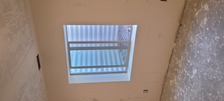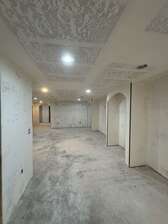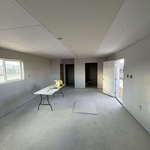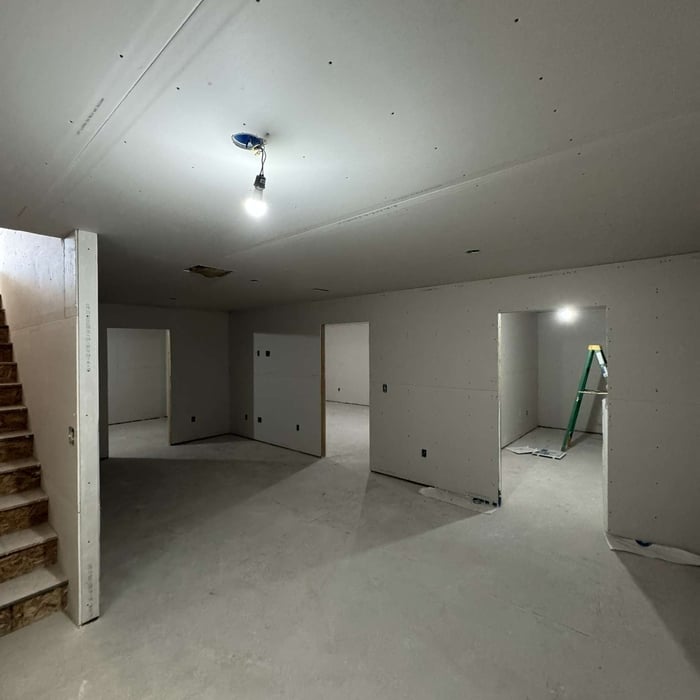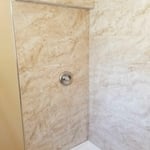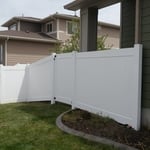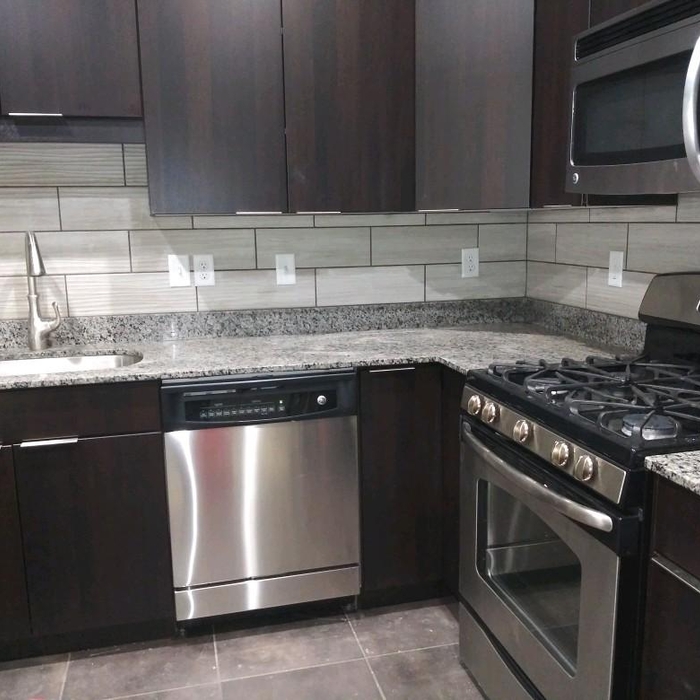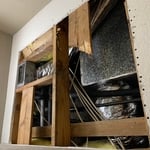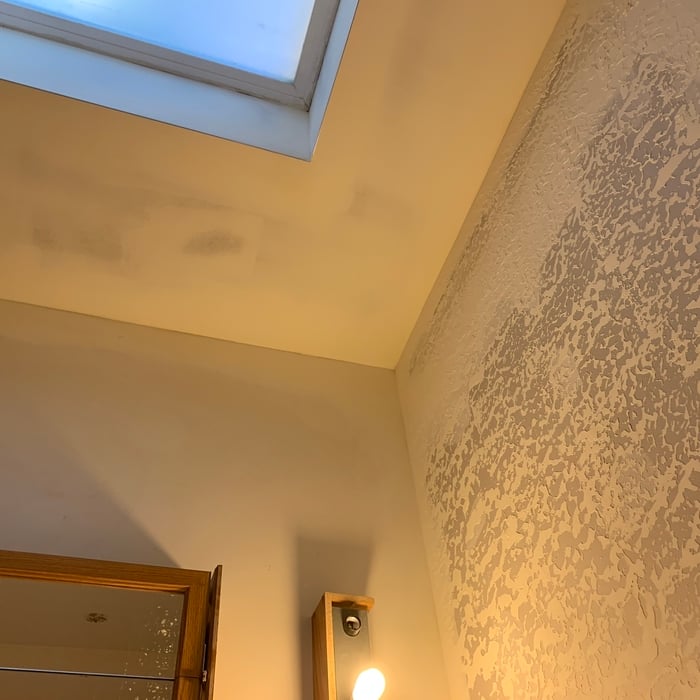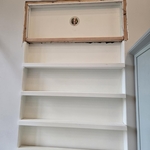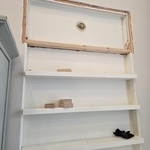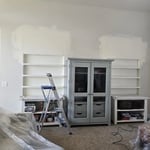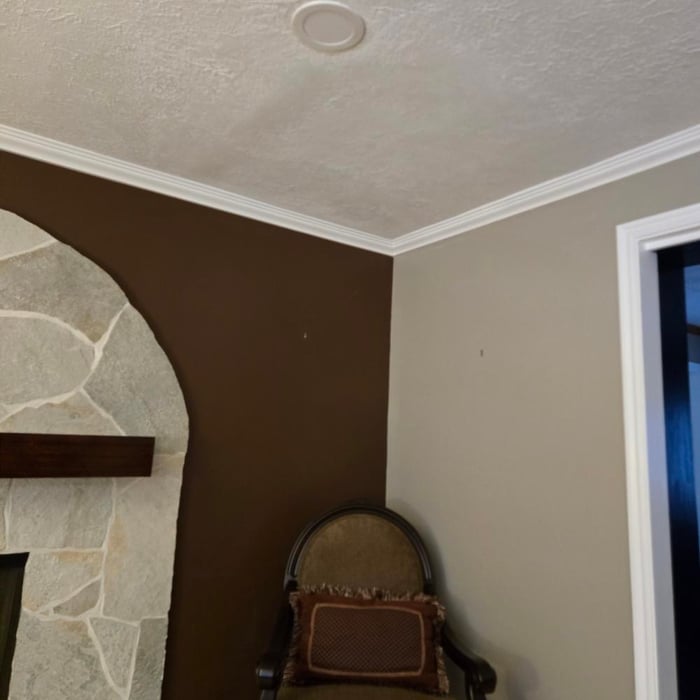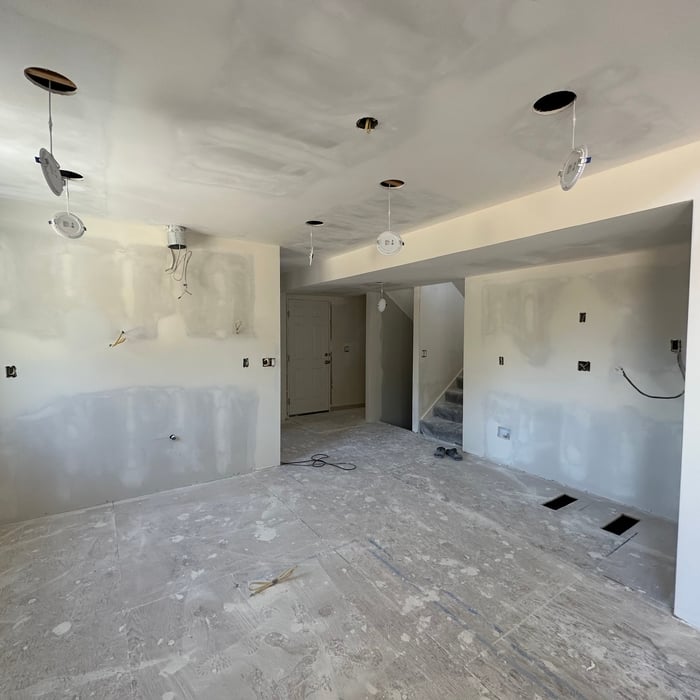







"He was Great. He replied instantly as soon as I put in the request on HomeAdvisor he was willing to do it the same day or the next day where the other people who I requested a quote for took all day and wouldn't be able to do the job till a month later. He was also very fair priced and polite and I would recommend him to everyone who needs to have wall repair done."
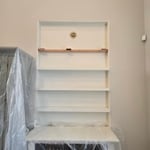
"Jose and Abel did a beautiful job. They were careful and professional. They left no mess behind. I would recommend them to anyone needing drywall repair."
"Joe fixed our bathroom leak by replacing the faulty hardware with the proper hardware and patched the wall back up and repainted the wall (with the perfect color match) where he had to cut out to diagnose. You can’t even tell there was a hole there. Joe took the time to explain everything to me of what our issue was and how he fixed it. He was on time, explained how long the job will take, and very thorough. Very professional work. My husband and I will definitely use Cransten again for our house projects in the future. Before and after photos from the leak damage and repair included with this review."
Poured concrete is often the cheapest material for a retaining wall, costing around $6 to $8 per square foot. Other budget-friendly options include vinyl and landscaping timbers, which range from $10 to $15 per square foot; landscaping timbers are particularly well-suited for DIY projects. Untreated timber and railroad ties are a step up in price, starting at $15 to $25 per square foot. Natural stones can also be a cost-effective choice if you can source them from your own property, but they can be expensive to purchase. High-end materials like steel are typically the most expensive but offer superior durability and aesthetics.
Failure to compact the soil during construction is the most common cause of leaning retaining walls. In addition, poor drainage can lead to excessive water pressure behind a retaining wall, pushing against it until it begins to move forward away from the soil it is holding back.
Most railroad tie retaining walls have a life span of 20 to 30 years, though you may need to replace your wall sooner if it’s repeatedly exposed to heavy rain, runoff, and excess moisture. Railroad ties are typically treated with creosote, which makes them much more durable than untreated wood. Though they last longer, they don’t last forever. For the most longevity, make sure your retaining wall has a sturdy base and steel reinforcements. You should also install drainage to direct water away from the wall.
The lifespan of a retaining wall varies based on its material, installation quality, maintenance, and local climate, with an average range of 20 to 100 years. Retaining walls made from durable materials like concrete, stone, and brick generally last a minimum of 50 years. Concrete walls typically last between 50 and 100 years, while brick can last for over a century in ideal conditions. Timber retaining walls can last from 20 to 40 years, depending on the wood quality, and pressure-treated wood walls average around 30 years. It is important to note that a retaining wall can fail prematurely if it was poorly constructed, for example, with inefficient footings or without necessary rebar reinforcements.
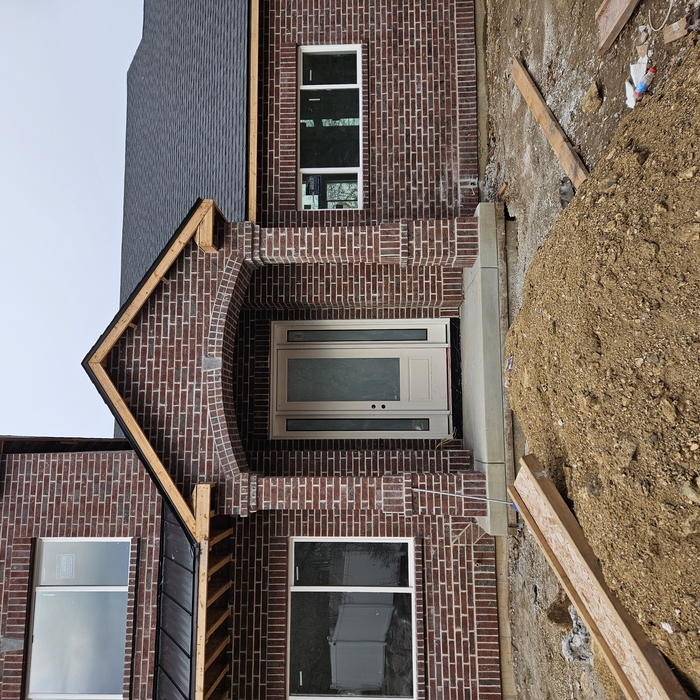
Most retaining wall installations can be finished in one to three weeks, but the timeline varies based on factors like wall size and material. The local climate and major weather events, such as storms or flooding, can also extend the project's timeline, as can any holds ups in the permitting process.


The Clearfield, UT homeowners’ guide to wall repair services
From average costs to expert advice, get all the answers you need to get your job done.
This guide features information on the costs to repair a brick wall, whether or not you need a brick mason to complete spalling, tuckpointing, or a full restoration.
Retaining wall repair cost can vary widely based on the age and condition of the wall being restored. Learn why finding the right pro is important for getting the job done.
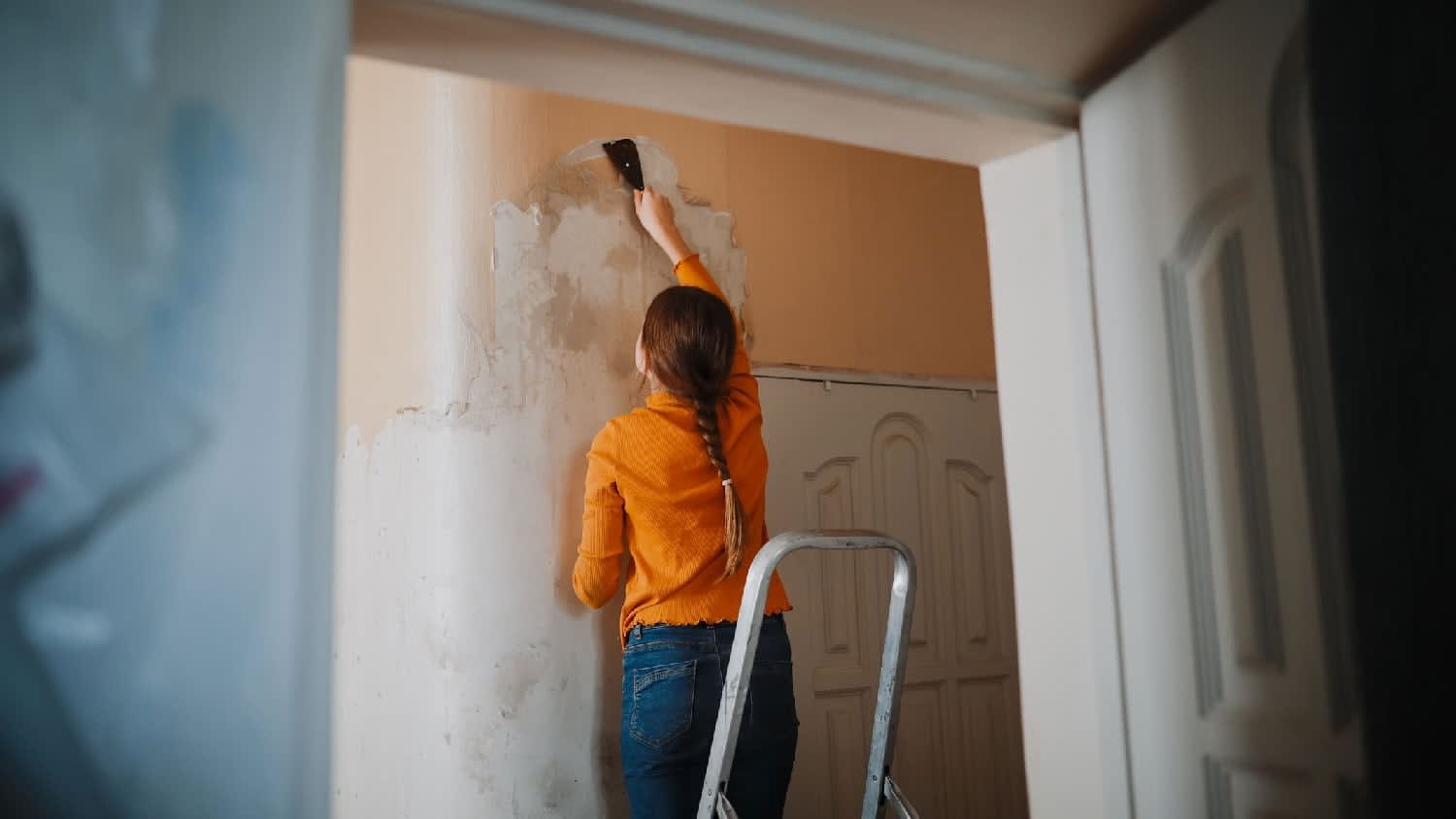
The paper is off, but your walls need some love. Learn how to repair your walls after a wallpaper removal project and prep them for paint or new decor.