







Top-rated animal fencing pros.

Get matched with top animal fencing pros in Central, UT

Enter your zip and get matched with up to 5 pros

Need a pro for your animal fencing service project in Central, UT?

Select your specific project to find the pro for you.

Find Animal fencing pros in Central

Avatar for Ironclad Welding LLC
Ironclad Welding LLC
5.0(
2
)
Electronic Pet Fence - InstallElectronic Pet Fence - Repair or Adjust

Serving Central, UT and surrounding areas

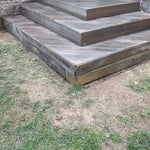
"I recently worked with Ironclad to fix my deck and they did an outstanding job. They were punctual, thorough, and respectful of my property. The decks look fantastic, they're sturdier and more attractive than ever. Their service was excellent from start to finish. Highly recommend them."

Railing
Carpentry - Unfinished Project
Miscellaneous Handyman Projects
Fencing Project
Fencing Project

+18

Recommended by100%of homeowners
Animal Fencing questions, answered by experts

The brown recluse has numerous predators in the wild (or close to your home). They are a valuable part of the ecosystem, too. Their predators often include birds, praying mantis, crickets, chickens, spider wasps, and more. However, the brown recluse spider is a master at hiding, making it much more difficult for predators to hunt them.

There are many steps you can take to keep mice out of your home. The most preventative include removing all available food sources, keeping your home clean, and sealing up entry points to your home. You can also try using live traps or even getting a cat. If none of these measures work, enlist the help of a pest control company.

While you might want to cut corners by either borrowing or purchasing used live traps for catching rats, this can be dangerous because those traps could contain leftover viruses and bacteria that will enter your home. Always start fresh with new materials to avoid contamination.

Armadillos are most active during cooler hours to avoid extreme temperatures, particularly the daytime heat in the warm climates where they live. This activity pattern helps them reduce the risk of overheating and dehydration. They are generally active from late at night to early morning, often between 2 a.m. and 5 a.m., but can also be seen around dawn and dusk. An exception to this is during mating season (June-July in the northern hemisphere, November-December in the southern hemisphere), when male armadillos may be more active than usual.

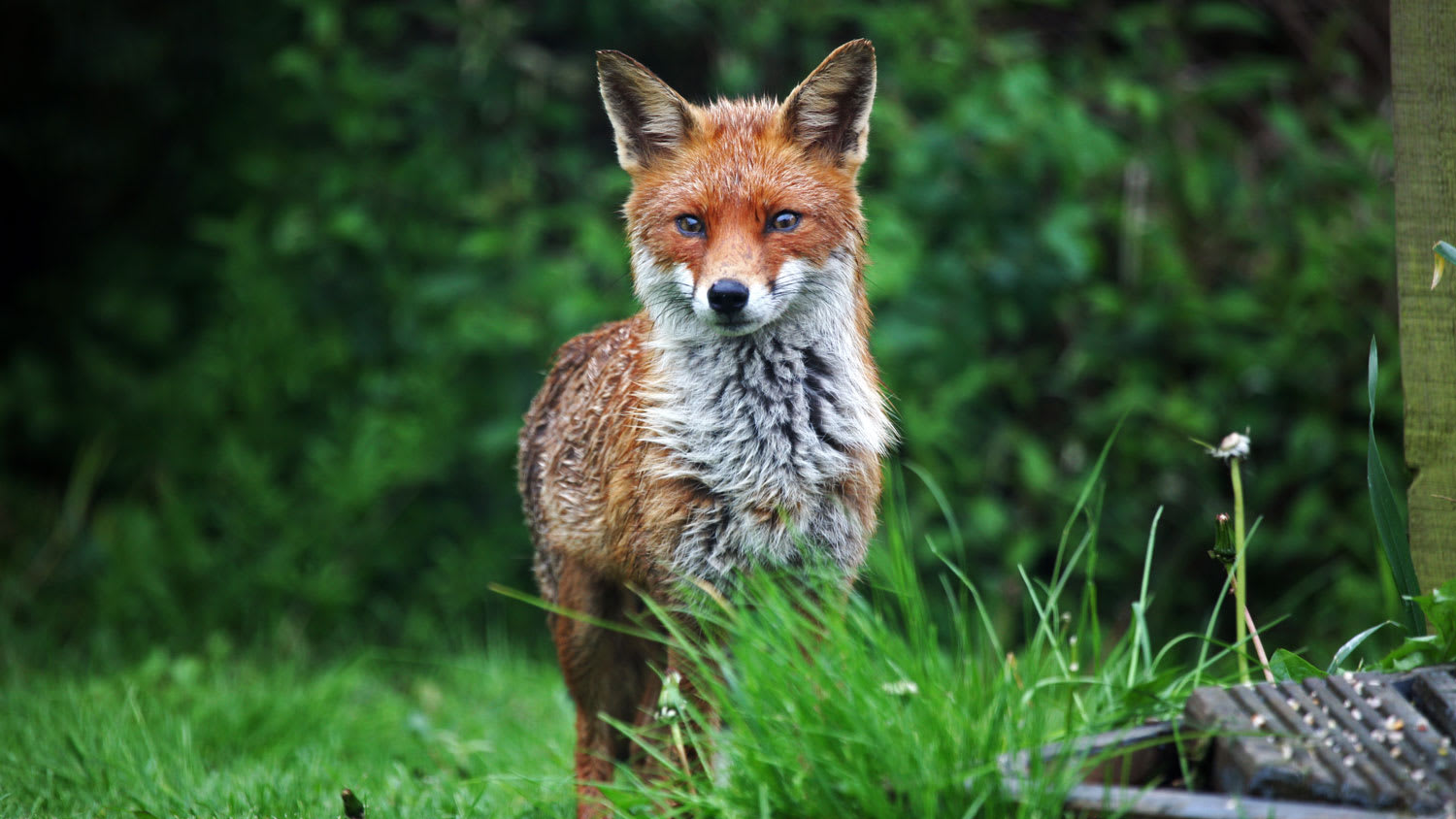
Foxes hate strong scents and sudden disturbances. They dislike the smell of ammonia, vinegar, garlic, chili peppers, and predator urine, which can make an area less appealing. Motion-activated lights and sprinklers also unsettle them, as foxes prefer to avoid sudden movements and bright lights. Additionally, they are wary of loud noises and unexpected sounds.

The Central, UT homeowners’ guide to animal fencing services

From average costs to expert advice, get all the answers you need to get your job done.