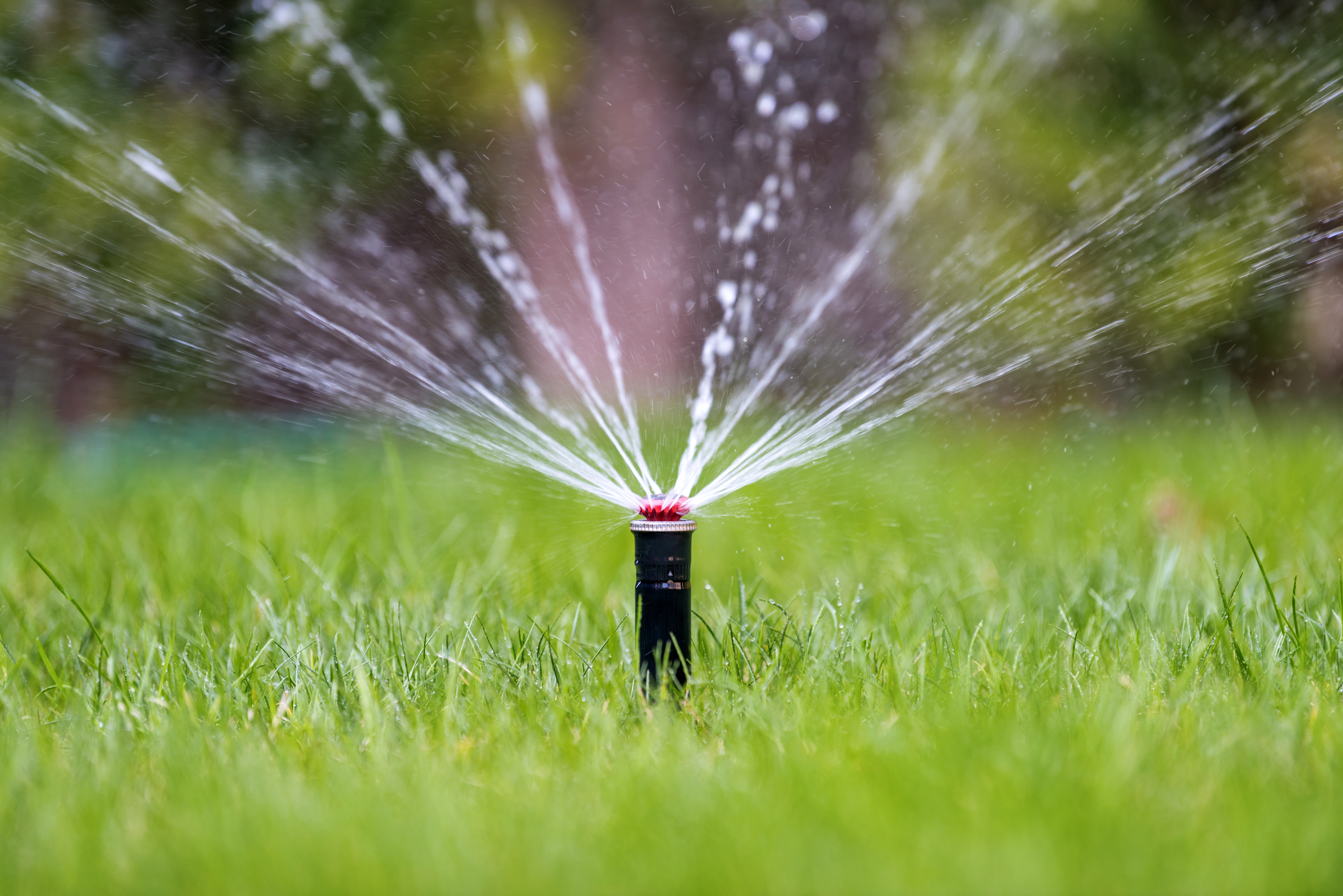





Top-rated lawn irrigation specialists.

Get matched with top lawn irrigation specialists in Blanding, UT

Enter your zip and get matched with up to 5 pros

Need a pro for your lawn irrigation project in Blanding, UT?

Select your specific project to find the pro for you.

Find Lawn irrigation specialists in Blanding

Whitehorse Services
New to Angi

Serving Blanding, UT and surrounding areas

In business since 2017

Free estimates

Credit card accepted

Whitehorse Services, likes nothing more than a happy customer. We are independently owned and operated. We do all the work and to the highest quality. We have been involved in the trade for years. We use only the best products and techniques available. It is very important to the company that the customer is satisfied. We believe that this is the only way a business can succeed.
Lawn Irrigation questions, answered by experts

Instant greenery, erosion control, and no waiting for germination make sod a preferable choice.

Yes, Bahia grass spreads on its own thanks to its short stolon system. However, it might not seem like your Bahia grass spreads well due to its slow growth. Bahia grass takes around 3 to 4 weeks to germinate and an additional two weeks to grow thicker. 

During this time, fast-growing, competitive weeds may pop up, so weed your lawn to give your Bahia grass a chance to grow. This grass can take up to two years to become established. Once established, Bahia grass typically does well in suitable climates.

In general, cool-season grasses such as fescue grass, ryegrass, and Kentucky bluegrass are best for creating a striped lawn. Warm-season grasses like bermuda and zoysia grass don't curl as much, so grass stripes aren't as easy to see. If you live in a climate that’s better suited for warm-season grass, zoysia grass will typically be your best option.

Choosing between sod and seed depends on your budget, timeline, and maintenance preferences.

Sod:

  • Pros: Provides an instant, lush lawn and immediate curb appeal. It's more resistant to weeds and erosion, can be installed any time during the growing season, and offers a consistent appearance.

  • Cons: Has a higher upfront cost, typically $0.90 to $1.80 more per square foot than seed. It offers fewer grass varieties and must be installed immediately upon delivery.

Seed:

  • Pros: Less expensive upfront, making it a budget-friendly option. It offers a wider variety of grass types and is easier for a DIY installation.

  • Cons: Takes much longer to establish, potentially up to two years for a full lawn. It requires more maintenance, including regular weed control, and is more difficult to cultivate.

Ultimately, if you want a beautiful lawn quickly and have a larger budget, sod is an excellent choice. If you are patient, want to save money, and prefer a wider selection of grass types, seeding may be the better option.

The amount of time it takes for grass to germinate varies depending on the grass species. Even after germination, it’s going to take a while to see grass blades start emerging from soil. Some grasses germinate quickly and emerge after several days of growth (and healthy watering). Others may take up to three weeks to show themselves. Cool-season grasses tend to take the longest to germinate at one month.

The Blanding, UT homeowners’ guide to lawn irrigation services

From average costs to expert advice, get all the answers you need to get your job done.