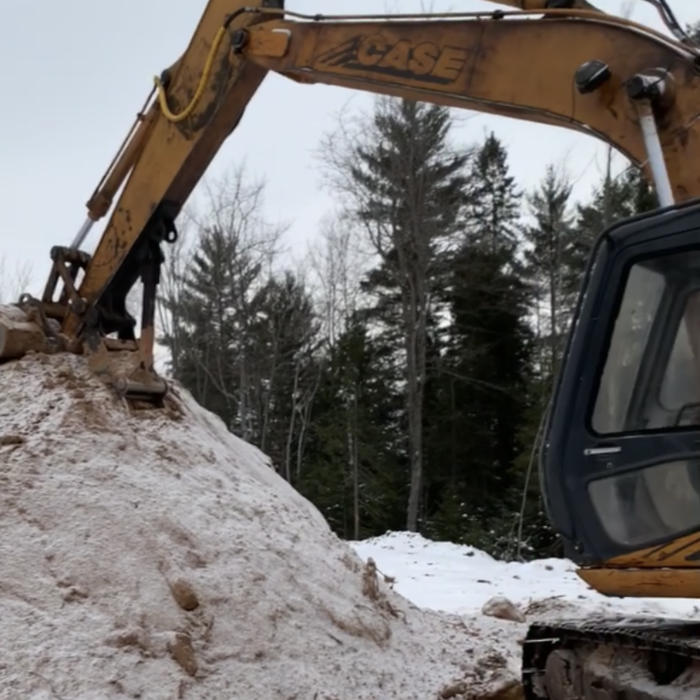

Welker Excavation llc
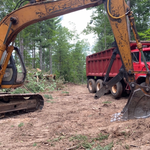
Building Site - Preparation and Clearing
Serving Blanding, UT and surrounding areas
Approved
Free estimates
Small jobs welcome
Credit card accepted
Welker Excavation llc is a family owned and operated company. Started in 2025
*The Angi rating for Excavation companies in Blanding, UT is a rating based on verified reviews from our community of homeowners who have used these pros to meet their Excavation needs.
*The HomeAdvisor rating for Excavation companies in Blanding, UT is a rating based on verified reviews from our community of homeowners who have used these pros to meet their Excavation needs.
Last update on April 12, 2021
Serving Blanding, UT and surrounding areas
Approved
Free estimates
Small jobs welcome
Credit card accepted
Welker Excavation llc is a family owned and operated company. Started in 2025
Serving Blanding, UT and surrounding areas
Approved
In business since 2000
Free estimates
Offers commercial services
Customer satisfaction is what determines our success, which is why we take a hands-on approach. When interacting with DB BUILDING INC, you'll notice that we're particularly focused on the principles of quality workmanship, timely completion, competitive pricing and integrity in all our business dealings. We combine knowledge and research with our extensive practical experience to ensure a specialized approach for your project needs. Contact us today for a fair and accurate estimate of your project. We look forward to adding you to our long and growing list of happy customers.
Serving Blanding, UT and surrounding areas

Serving Blanding, UT and surrounding areas
Free estimates
Emergency services offered
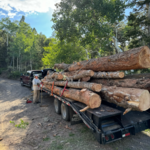
"Great to work with. Was able to start right away. Good clean equipment. Great operator. Already have miller tree and excavation going to do another project ."
Serving Blanding, UT and surrounding areas
In business since 2015
Free estimates
Emergency services offered
"Kinetic Enterprises did a Great Job. Hope to use them again."
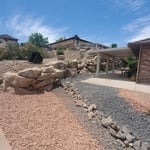
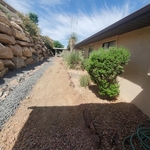
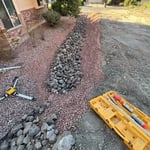
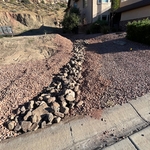
+5
Serving Blanding, UT and surrounding areas
In business since 2022
Free estimates
Credit card accepted
"He is detail-minded and good success with his company!"
Serving Blanding, UT and surrounding areas
Serving Blanding, UT and surrounding areas
In business since 2014
Free estimates
Credit card accepted
We are a locally owned and operated company that values honesty and integrity in all aspects of our business. Our dedicated team of professionals have over 14 years of hands on experience, to provide innovative ideas and suggestions tailored to your projects. Our services are customized to your individual needs, paying close attention to the details of each project that we are involved with. Please feel free to contact us today!
Serving Blanding, UT and surrounding areas
In business since 2021
Free estimates
Warranties offered
We are a locally owned and operated company that values honesty and integrity and treats your home as if it were our own. We offer a variety of General Contractor services that are customizable to each individual project. You will find us to be competitively priced, paying close attention to the details of each and every project that we are involved with. We look forward to building lasting relationships and guarantee your satisfaction! \n \n
From average costs to expert advice, get all the answers you need to get your job done.
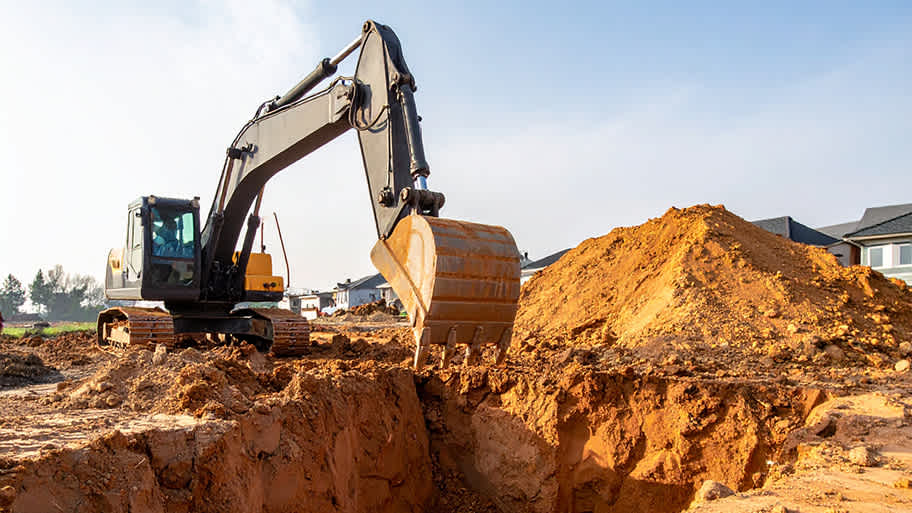
Excavation costs $1,500 to $6,300 for most residential projects—but it depends on factors like the size of the area. This guide will help you plan a budget.
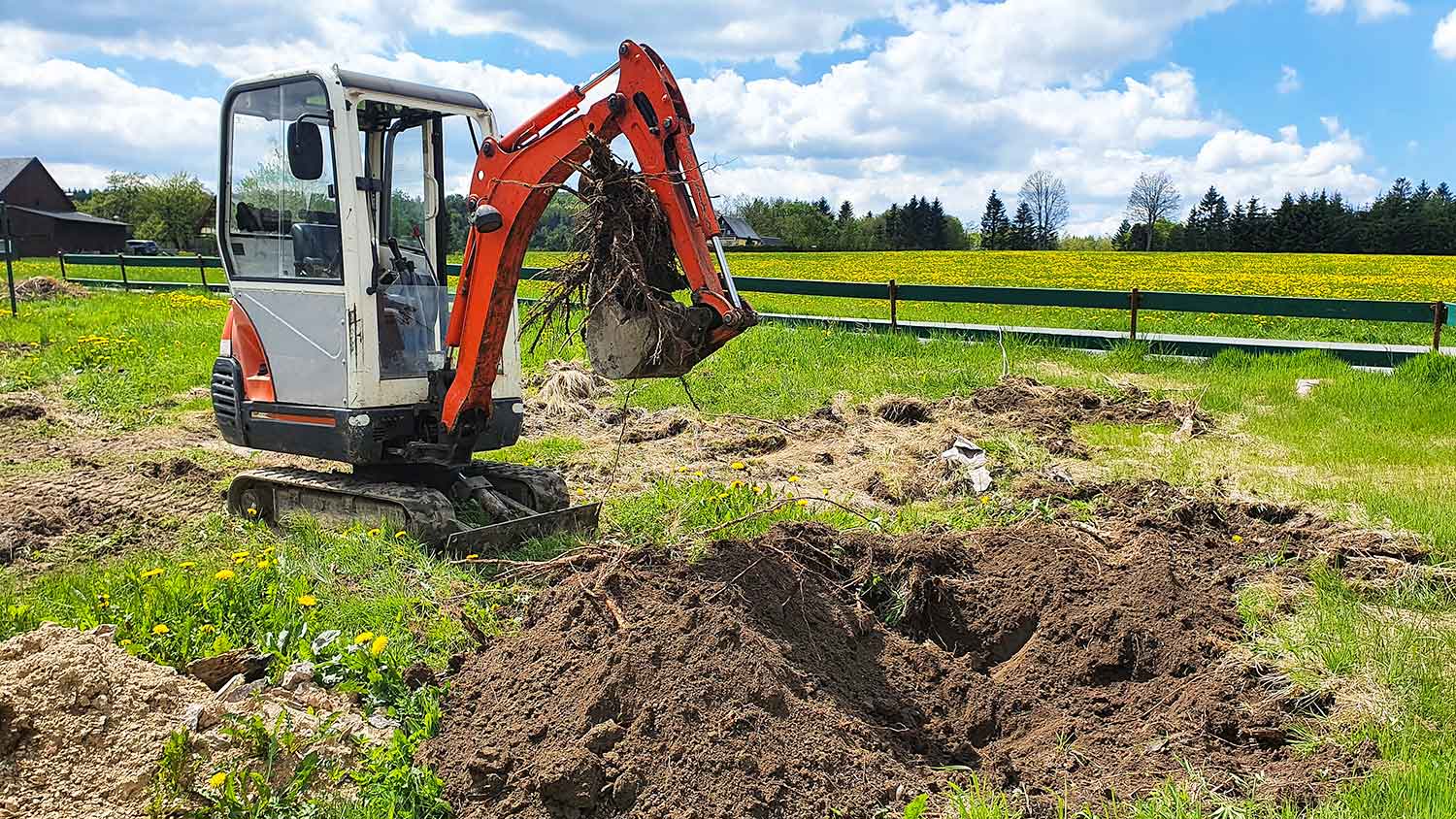
Preparing for a big excavation project in your yard? Find out excavator rental prices by type, project size, and more to budget for your project.
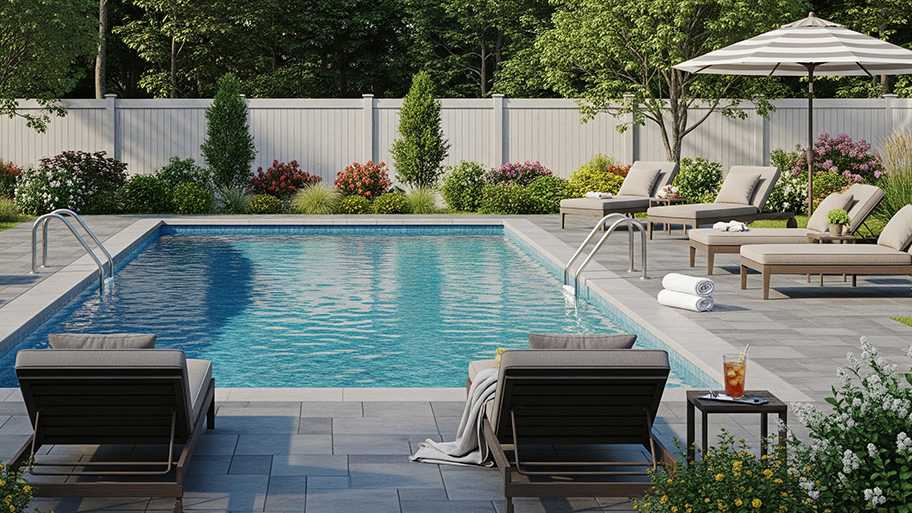
You can't have an in-ground pool without digging into the ground. How much does pool excavation cost, and can you take it on yourself? Our guide explains.
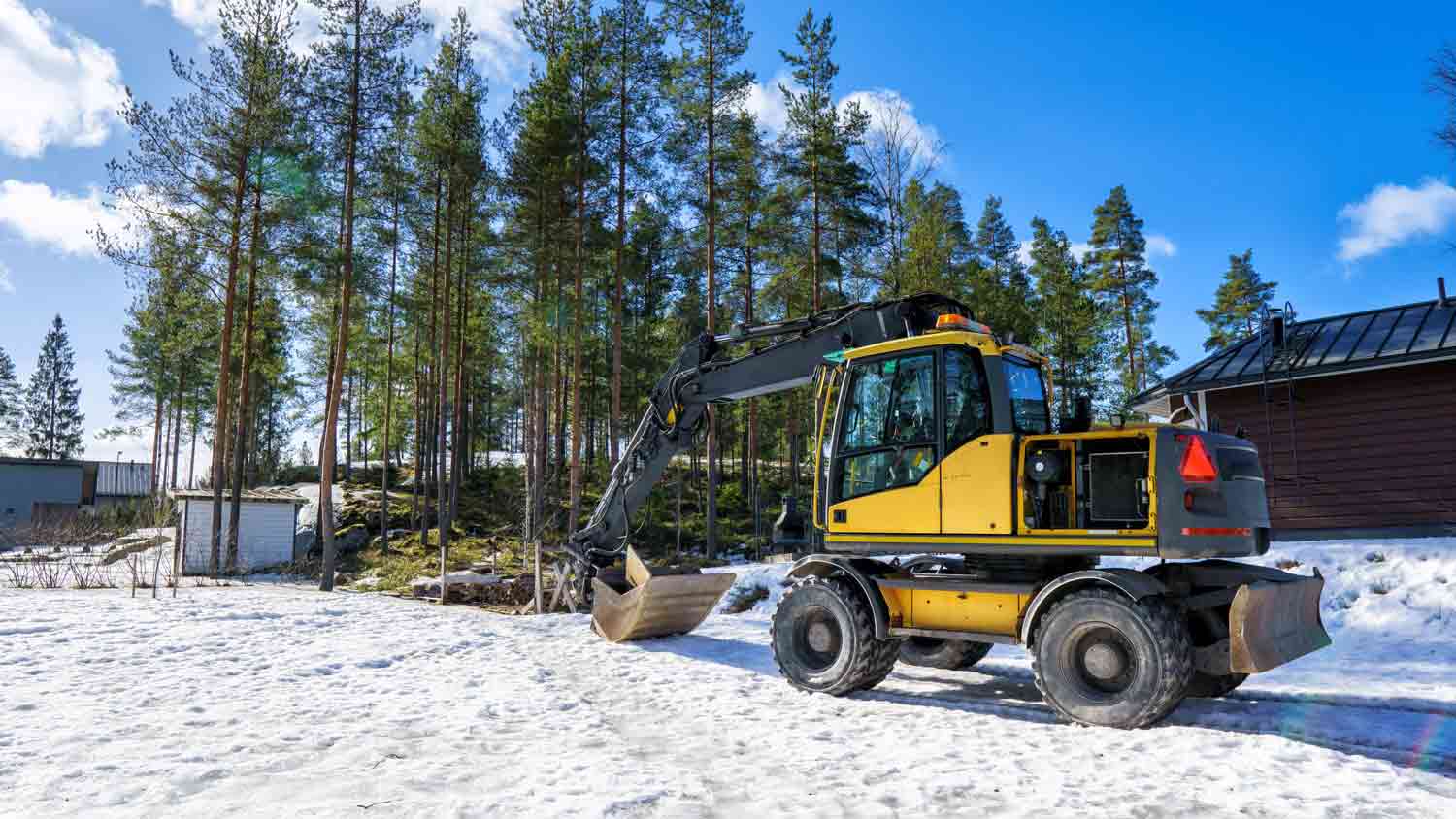
Can you excavate in the winter? Sometimes, but it’s complicated. Find out the pros, cons, and steps for planning a winter excavation project.
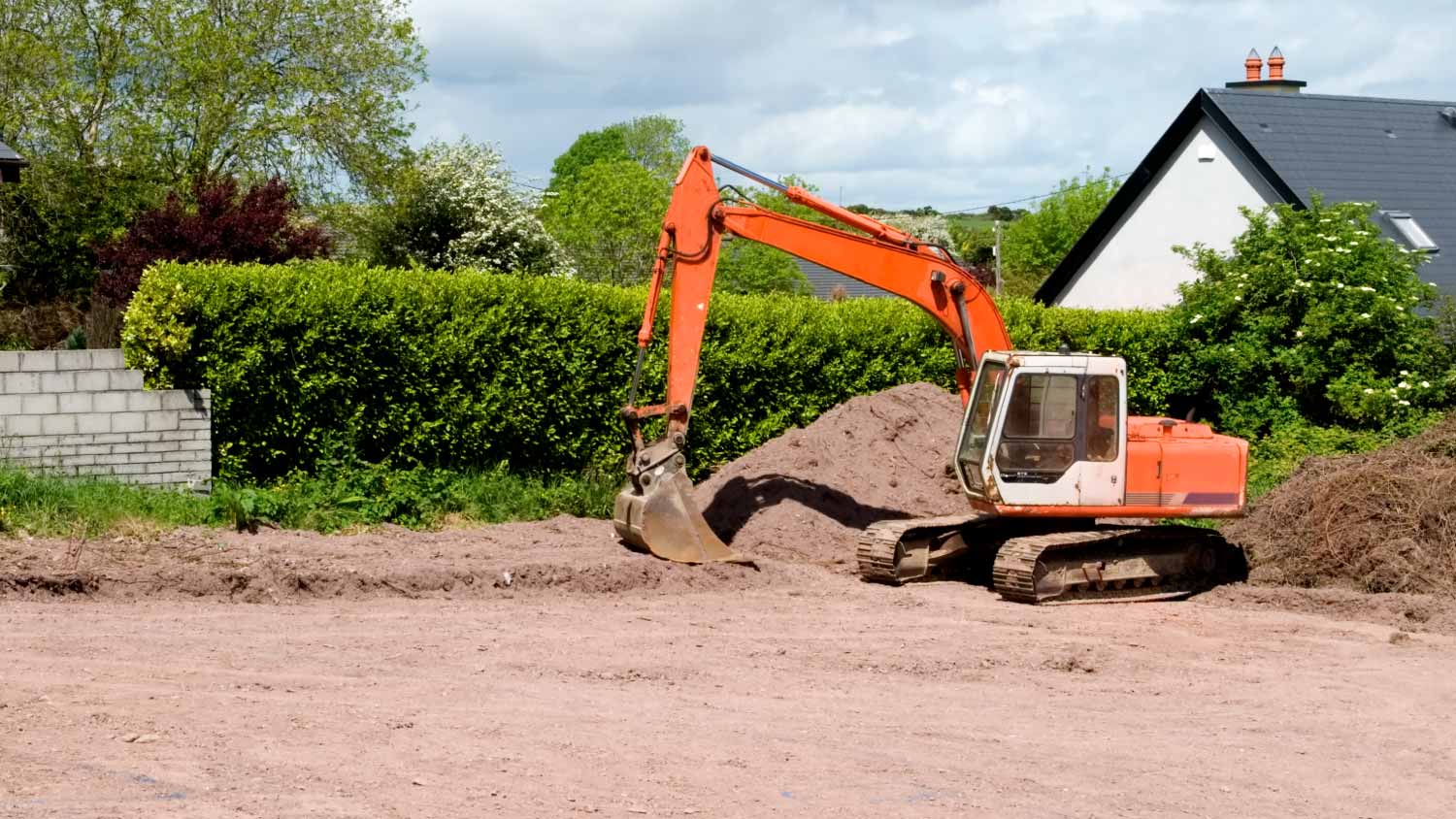
Discover what excavation is, the different types, and when it's needed in construction. Learn key insights for your next big home project.
Planning a backyard overhaul? Learn about grading and excavation costs, site preparation steps, and how to hire the right local pro for your project.