Power IQ LLC is a locally owned and operated company that values honesty and integrity in all aspects of our business. Our dedicated team of professionals have several years of hands-on experience to provide innovative ideas and suggestions tailored to your projects. Our services are customized to your individual needs, paying close attention to the details of each project that we are involved with. Please feel free to contact us today!
We provide residential and commercial solar power options, and provide support services for industry partner companies. We offer no cost consultations and $0 down financing. Please contact our office for a consultation at (931)922-8258.
With over 5 years of experience, Quality is our Goal! We're a locally owned and operated company that values honesty and integrity, and stands behind our work. We specialize in home inspections. Our services are customized to the individual project, paying close attention to the details of each project that we're involved with. We look forward to building long-term relationships with our clients and guarantee your satisfaction! . We also offer Home Energy Audits, Mold Testing, Meth Testing, and Radon Testing.
Energy Efficiency Auditing questions, answered by experts
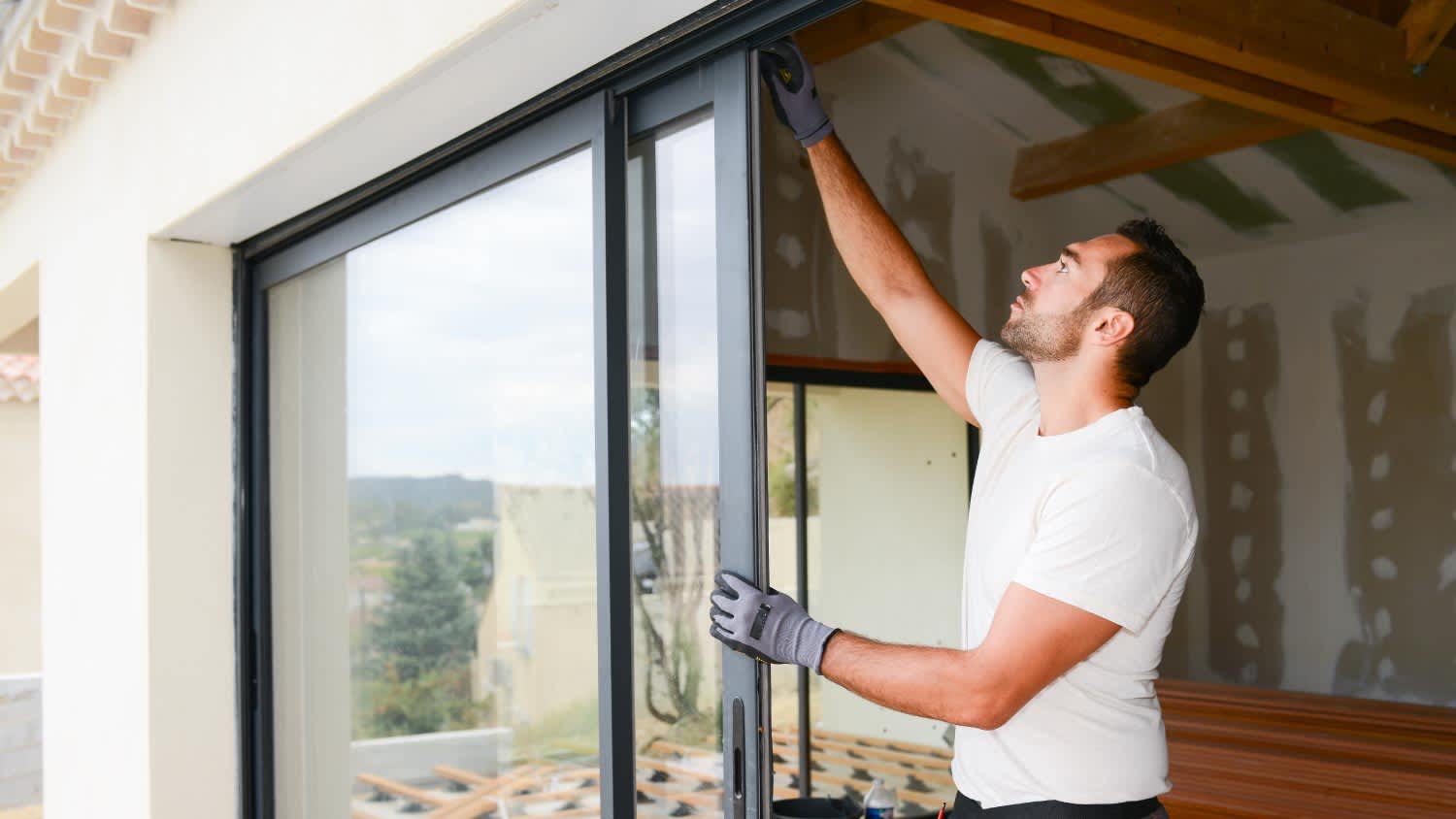
Energy-efficient windows cost more than other window types, but they can help you save on your monthly energy bills, get you some breaks on your taxes, and even increase the value of your home. According to Michael S. Regan, Administrator of the U.S. Environmental Protection Agency, when people invest in green upgrades like energy-efficient windows, they save energy, money, and more.
Yes, barndominiums are energy-efficient as long as insulation professionals properly install quality insulation, windows, and doors. Utility bills for barndo living can be up to 50% lower than those for a traditional home. Make your barndo more energy efficient by working with contractors and HVAC professionals to strategically place windows, doors, and heating/cooling systems.
There are several strategic ways to lower your home insurance premium. The primary one is to shop around and get quotes every few years to make sure you’re getting the best deal. Also, sometimes bundling your auto and homeowner’s insurance will get you a discount on both. Finally, try to keep your credit score up; many homeowner insurance companies use credit scores to generate quotes.
The extra insulation helps reduce energy costs by minimizing drafts and temperature exchange between indoors and outdoors.
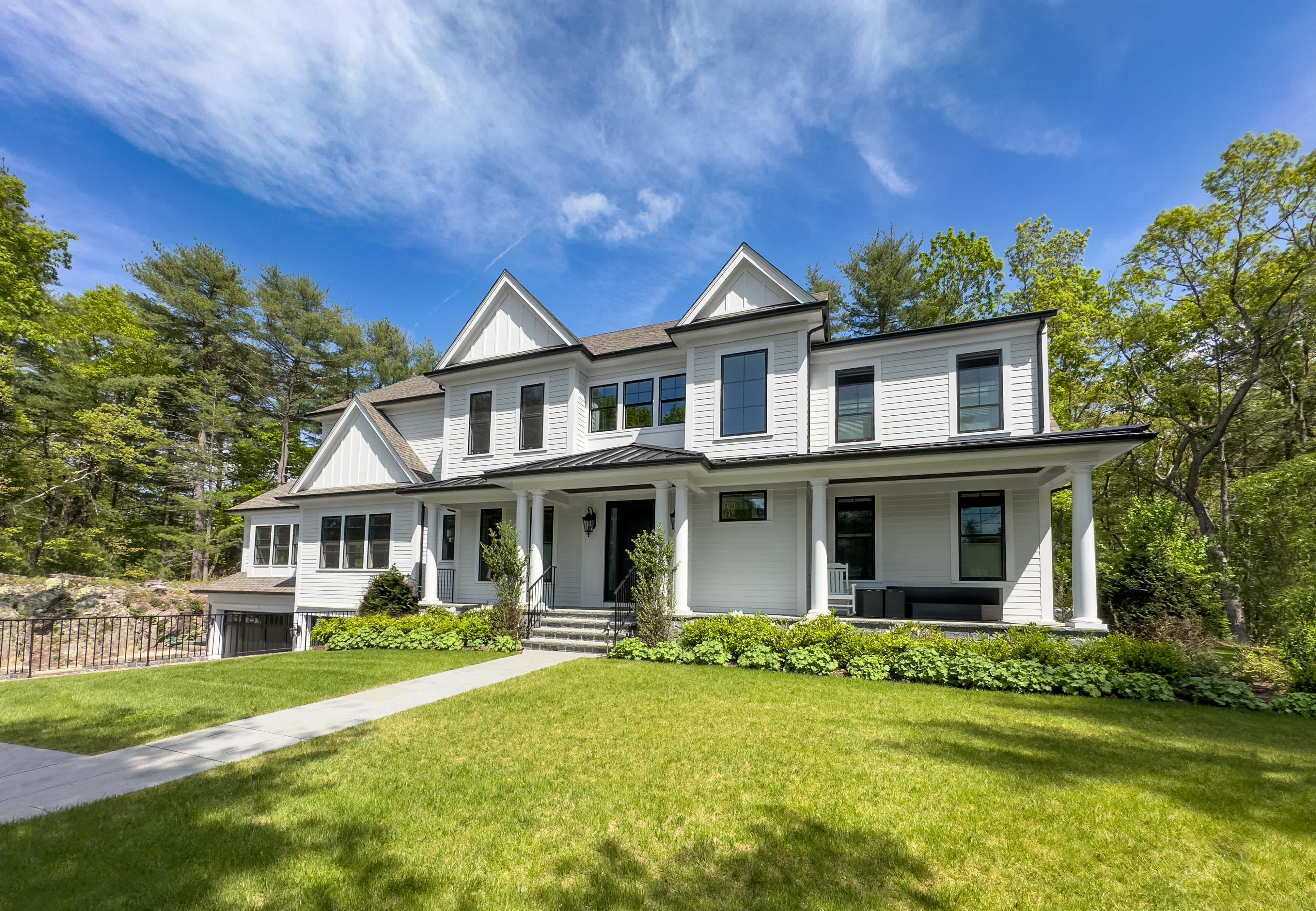
You'll likely need more than great home staging to sell your home. Now is a great time to get to work on the curb appeal of your home . Hire local exterior painters and landscapers to coat the exterior of your home and bring it new life with some sprucing up.
The Beaver, UT homeowners’ guide to energy efficiency auditing services
From average costs to expert advice, get all the answers you need to get your job done.
Discover the average home energy audit cost, what impacts pricing, and how to save money on your audit. Get transparent, expert-backed cost info for homeowners.
Thinking about scheduling a home energy audit? Learn how to improve energy efficiency, lower your utility bills, and hire the right local pro for the job.