"My house was cleaner than even my best attempt, and thatâ s saying something! She was extremely detailed and got all the corners, spotless stainless steal appliances, dusted our pendant lights, so many little details that I really appreciate :) Usually when I hire cleaners I have to touch up where they missed, this lady missed NOTHING!!"
"I only use James when I need some work done to my house. He responds fast, gets the work done quicker than just about anyone else I've ever used and seems very concerned with leaving his customers happy."
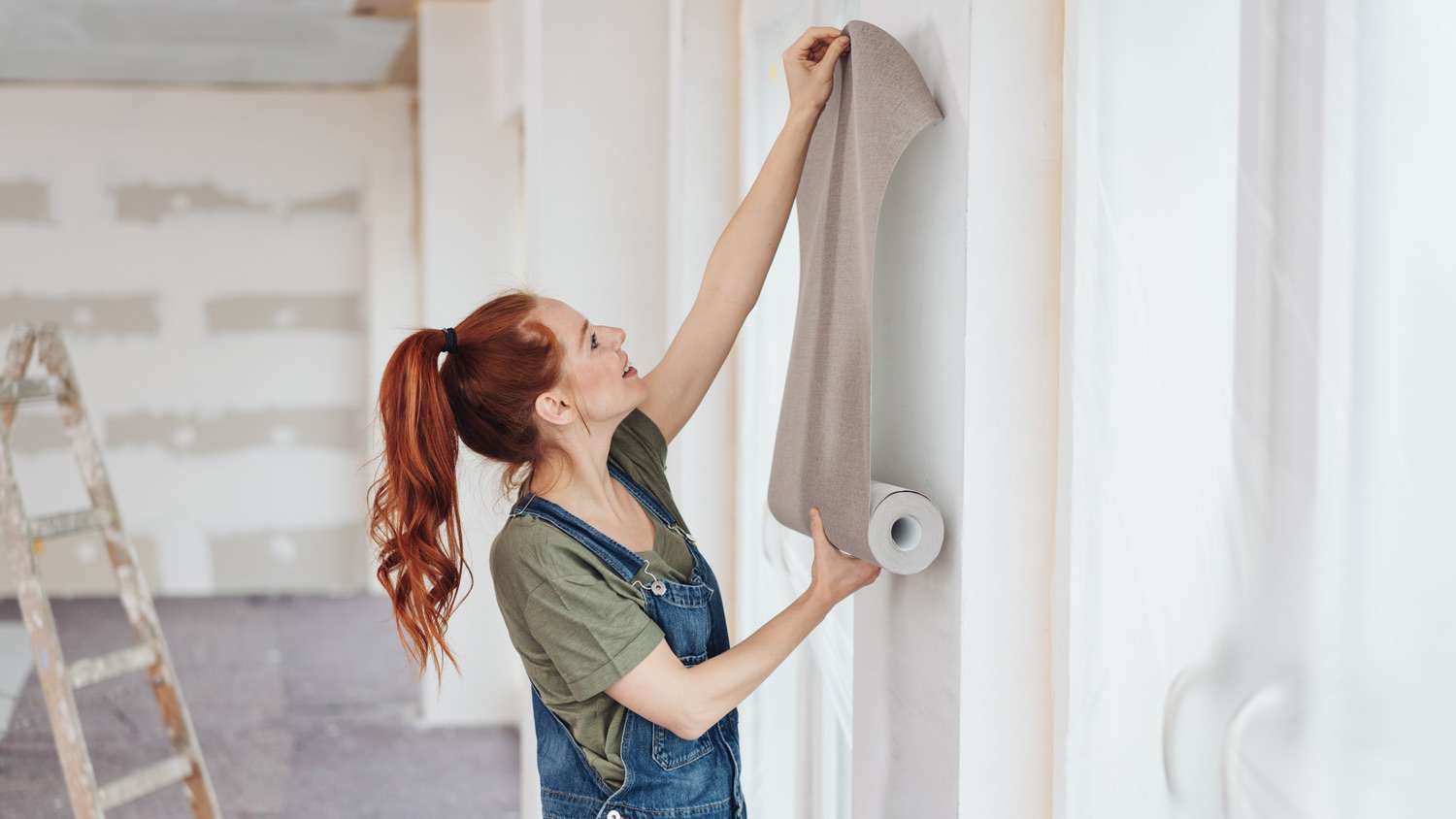
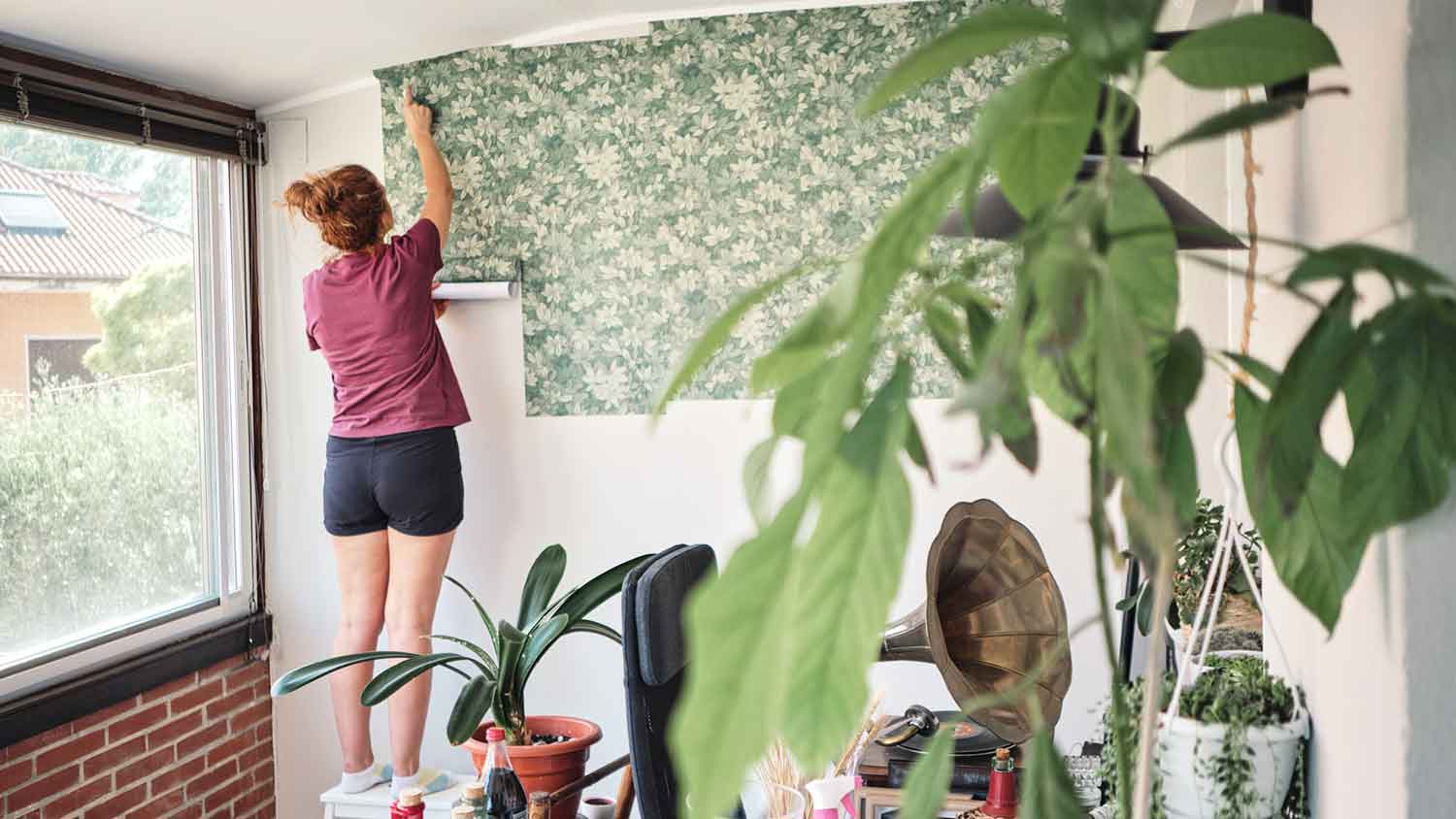
Many peel-and-stick wallpapers aren’t moisture-resistant, so if you install them in high-humidity rooms, mold can grow behind the wallpaper. It’s best to reserve peel-and-stick wallpaper for bedrooms, living rooms, and other rooms with lower humidity levels. Not only does this minimize the risk of mold growth, but it also keeps the wallpaper from bubbling or peeling.
Hiring a professional wallpaper hanger is usually a worthwhile idea because, while the application of wallpaper itself is easy, getting the finished product to look good is complicated and takes a lot of practice and patience. A professional wallpaper hanger will not only be able to hang your wallpaper seamlessly, but they will also get an even application of wallpaper paste to avoid bubbling and imperfections immediately and over time. Plus, they can provide their professional opinion on whether to remove or wallpaper over an existing layer of wallpaper.
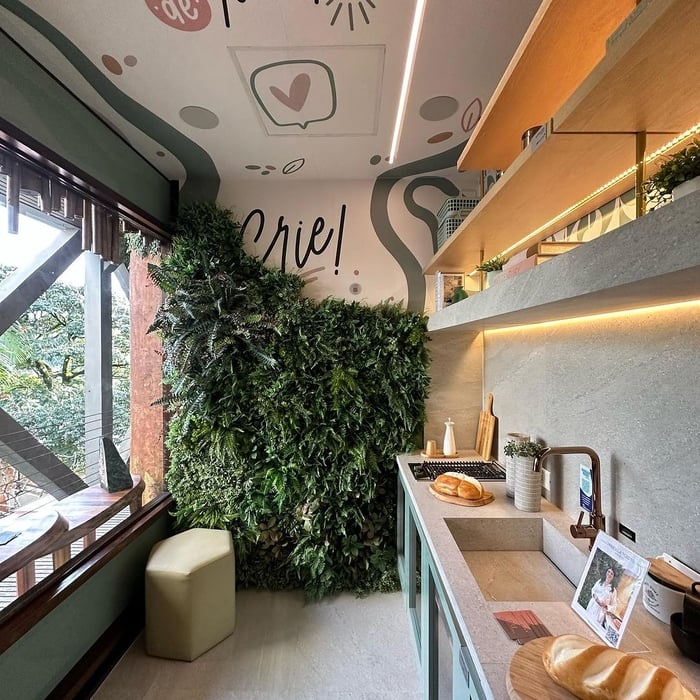
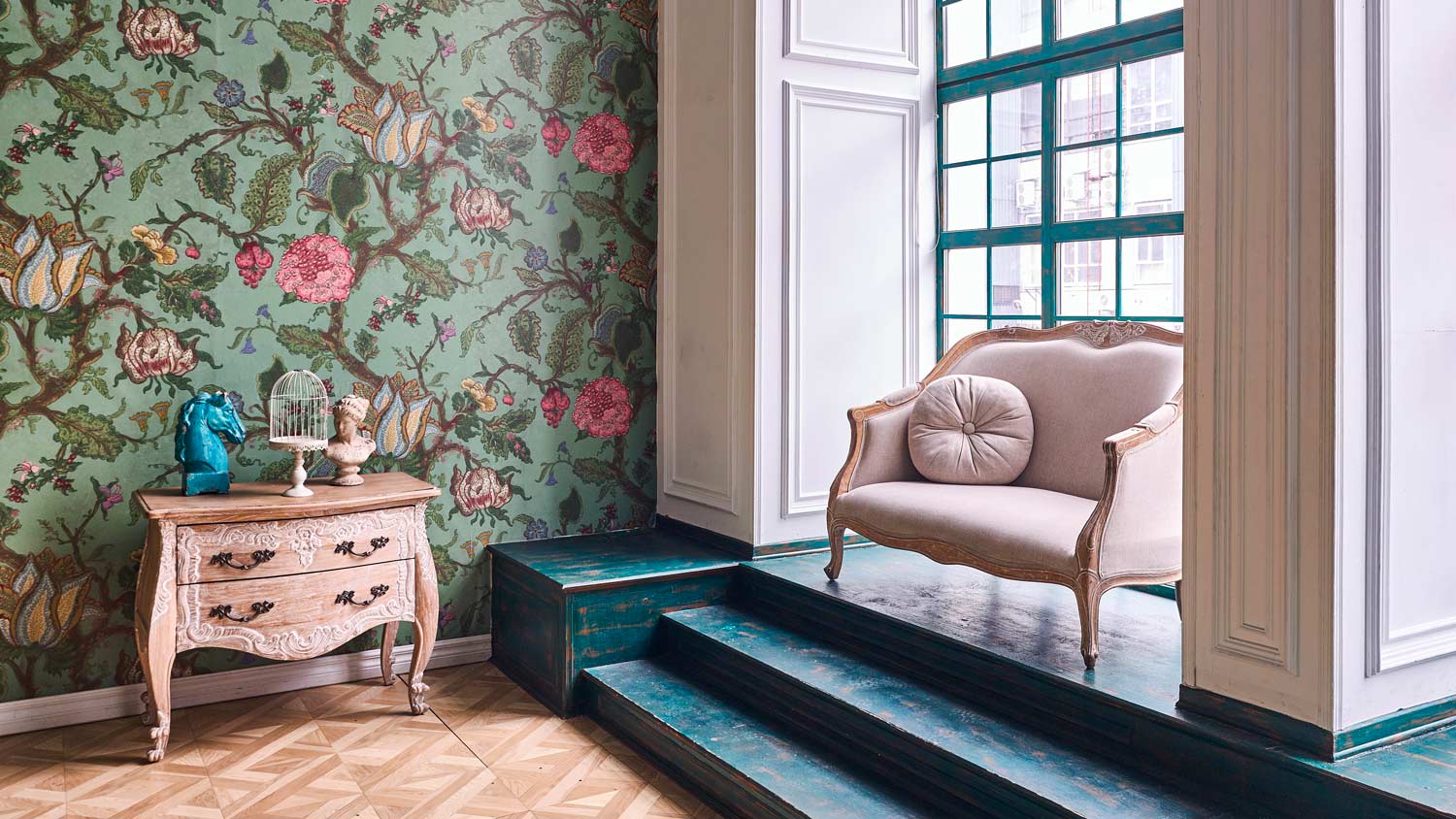
Accent walls can feel out of place or distracting if not well designed. Accent walls that don’t fit in with a room’s style can feel jarring or overpowering. Some accent wall styles can also feel dated, but fortunately, it’s easier to update a single wall than an entire room.
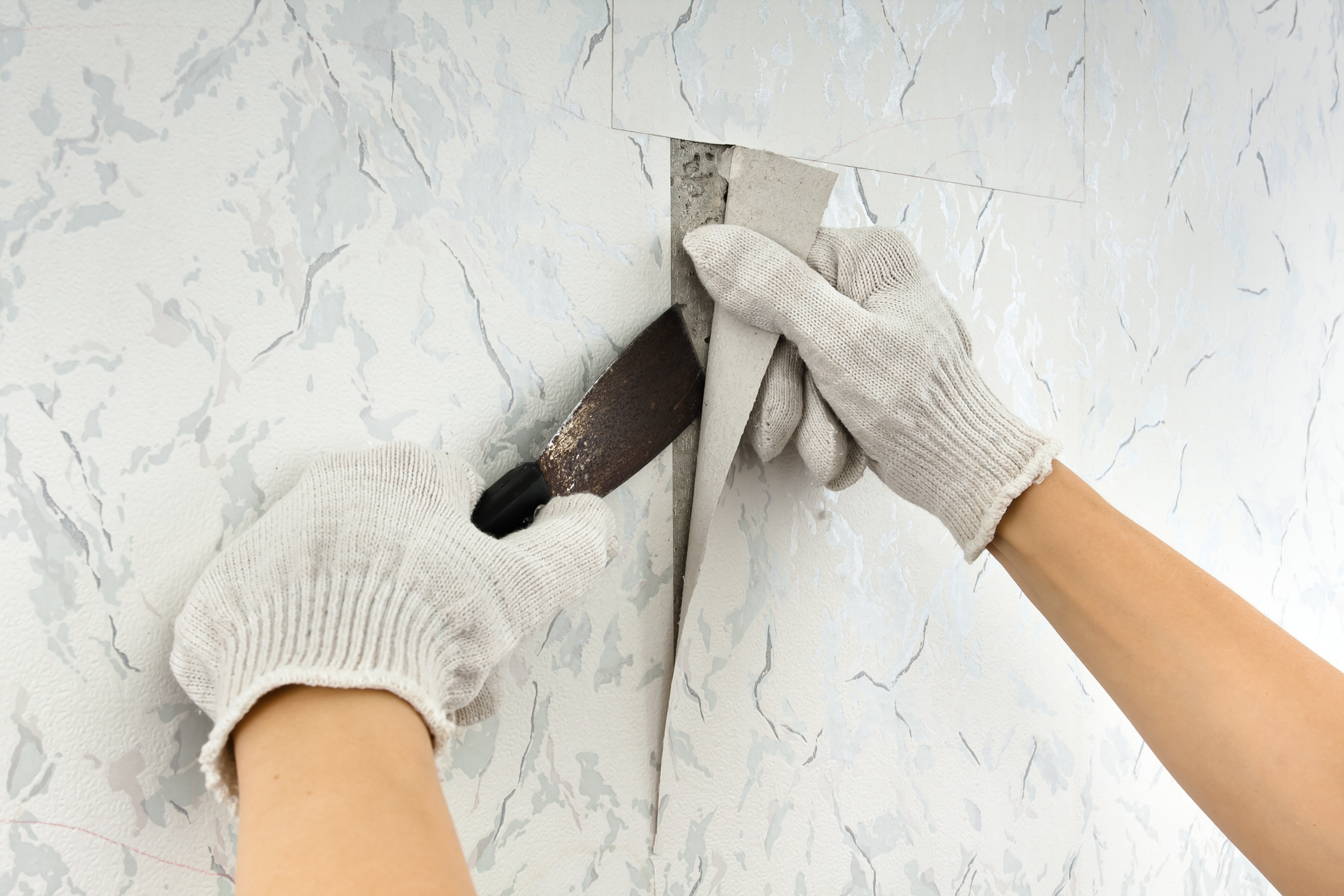
The simple nature of peel and stick wallpaper means it should come off much more easily than traditional wallpaper that is glued to your walls. You’ll still want to work slowly and carefully to avoid tearing it, but most peel and stick wallpaper should come off without a chemical agent to loosen it.
Wallpaper steamers can be very helpful for removing large sections of wallpaper more easily, but they’re not always a good idea for DIYers. The drywall behind your wallpaper is meant to stay dry, and excessive moisture from improper technique with a wallpaper steamer can leave you with severe wall damage. Drywall also retains moisture, which could result in mold growth over time. It’s best to hire a professional to remove your wallpaper with a steamer to avoid wall damage and related moisture issues.
The Aneth, UT homeowners’ guide to wallpaper removal services
From average costs to expert advice, get all the answers you need to get your job done.
Discover wallpaper installation cost. Learn about material, labor, and project factors to estimate your budget and make informed choices for your home.
Planning a room update? Learn about the wallpaper removal process, costs to expect, and how to find and hire the right local pro for a paint-ready finish.
Taking down wallpaper is a tedious and time-consuming job. Here are some tips on how to hire someone to remove wallpaper for you to make your life easier.