"My house was cleaner than even my best attempt, and thatâ s saying something! She was extremely detailed and got all the corners, spotless stainless steal appliances, dusted our pendant lights, so many little details that I really appreciate :) Usually when I hire cleaners I have to touch up where they missed, this lady missed NOTHING!!"
"I only use James when I need some work done to my house. He responds fast, gets the work done quicker than just about anyone else I've ever used and seems very concerned with leaving his customers happy."
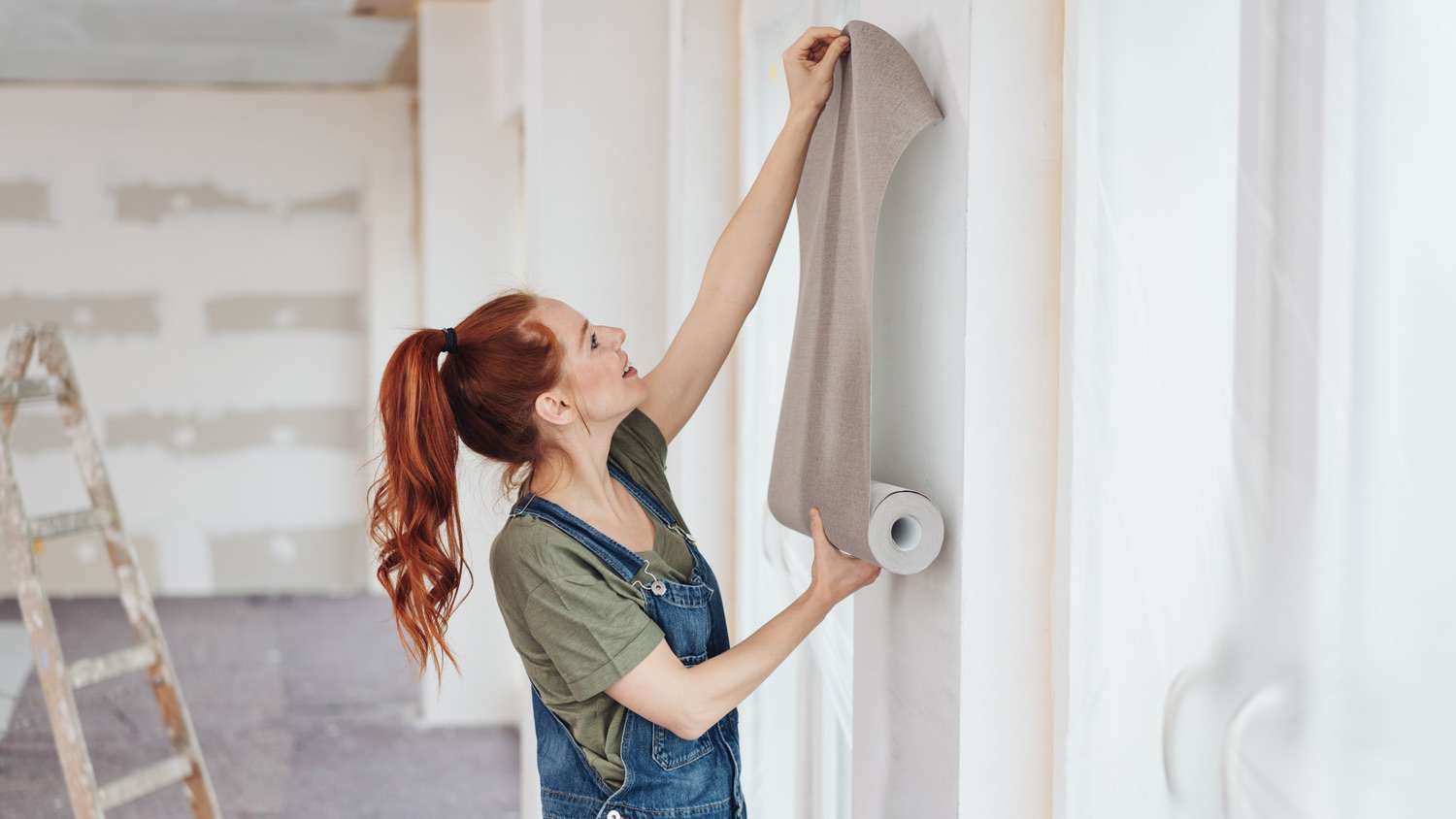
While many types of peel-and-stick wallpaper can be used in bathrooms, they may not adhere as well in humid environments as traditional wallpaper. For best results, choose a vinyl or polyester-based wallpaper, as these materials are more durable and water-resistant. Good ventilation is also crucial to reduce humidity from steamy showers. In bathrooms with high moisture and inadequate ventilation, even high-quality peel-and-stick wallpaper is likely to peel over time.
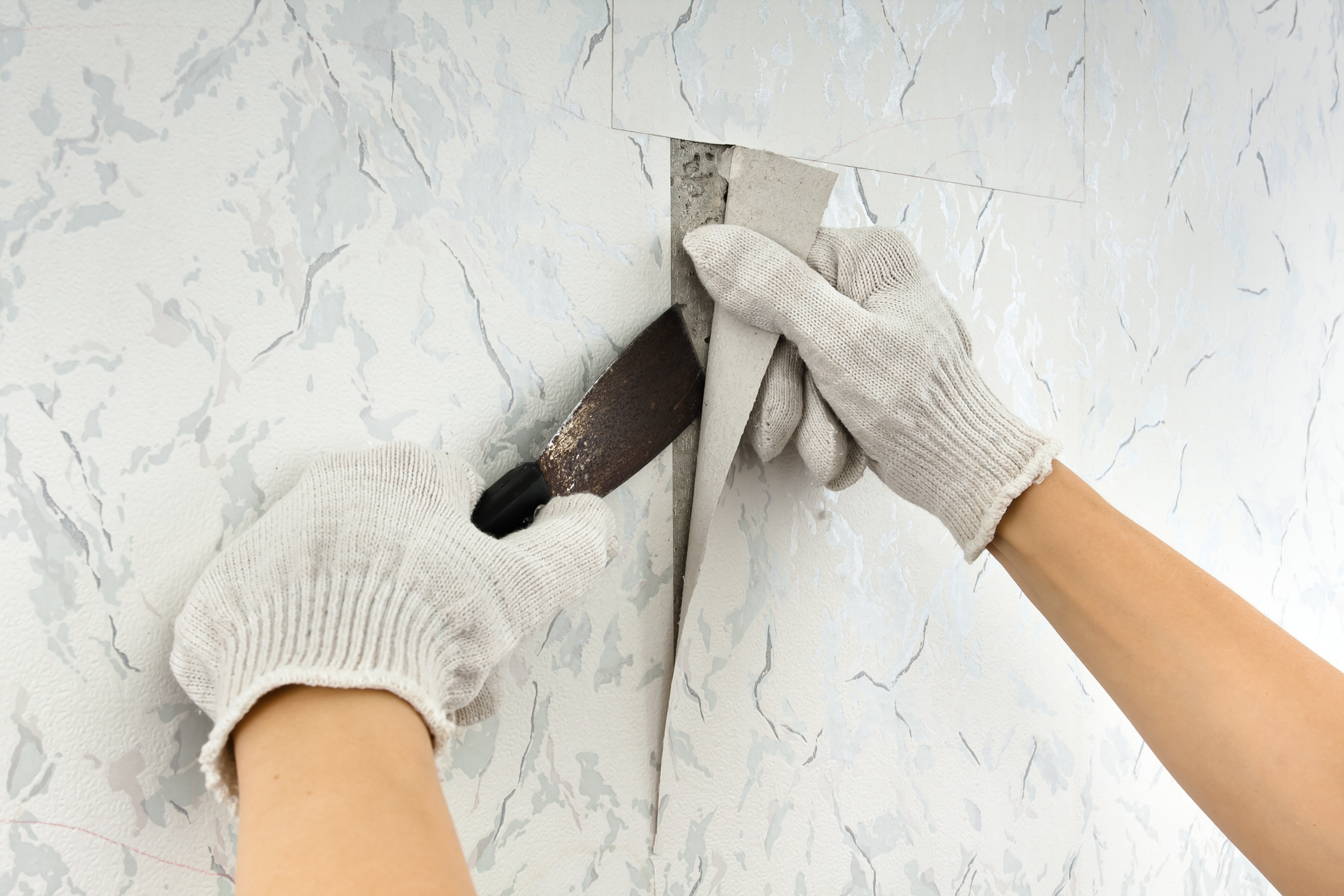
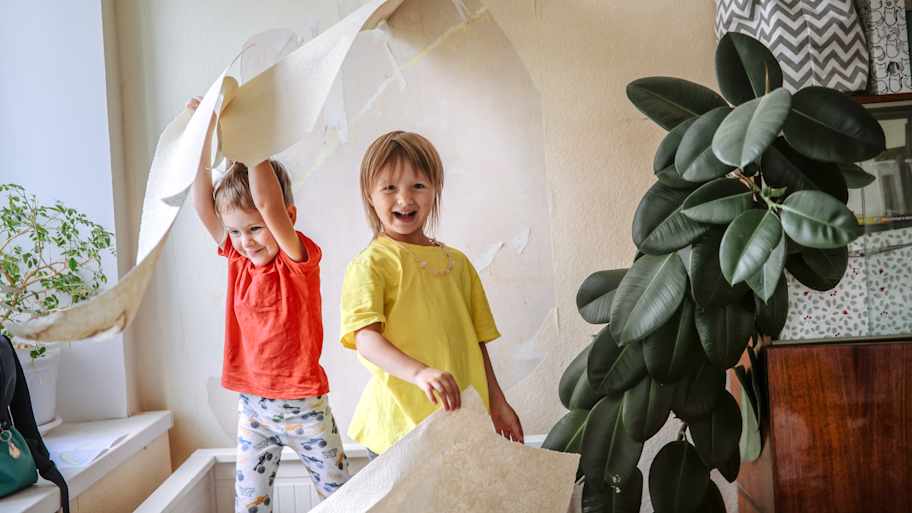
While you can remove wallpaper yourself, it is a labor-intensive process that risks damaging your walls. Common DIY methods include using a steamer to loosen the adhesive or spraying the paper with a solution of hot water and vinegar or dish soap before scraping. However, steamers can cause irreparable damage if used incorrectly, and the spray-and-scrape method can harm drywall if it gets too wet or you scrape too aggressively. For these reasons, hiring a professional is often the fastest, easiest, and safest option. A pro has the experience and specialized tools to remove wallpaper efficiently without damaging the underlying surface, which saves time and minimizes the prep work needed for your next wall treatment.
To remove adhesive-backed wallpaper, you’ll need to soften the adhesive before you try peeling the wallpaper off the walls. You may wonder whether peel-and-stick wallpaper damages walls. It can depend on the removal method. Make sure to be patient and consider using a steamer, hair dryer, or adhesive remover to carefully take down adhesive-backed wallpaper.
Wallpaper steamers can be very helpful for removing large sections of wallpaper more easily, but they’re not always a good idea for DIYers. The drywall behind your wallpaper is meant to stay dry, and excessive moisture from improper technique with a wallpaper steamer can leave you with severe wall damage. Drywall also retains moisture, which could result in mold growth over time. It’s best to hire a professional to remove your wallpaper with a steamer to avoid wall damage and related moisture issues.
To remove pre-pasted wallpaper, you’ll need to wet the wallpaper or steam it to loosen the paste on the back of the wallpaper. Spray the paper with water, then let it soak for 10 to 20 minutes. From there, you should be able to peel off the wallpaper. Then, you may need to follow up with a cleaning solution and a scraper to remove any remaining wallpaper paste on the walls.
The Halls Crossing, UT homeowners’ guide to wallpaper removal services
From average costs to expert advice, get all the answers you need to get your job done.
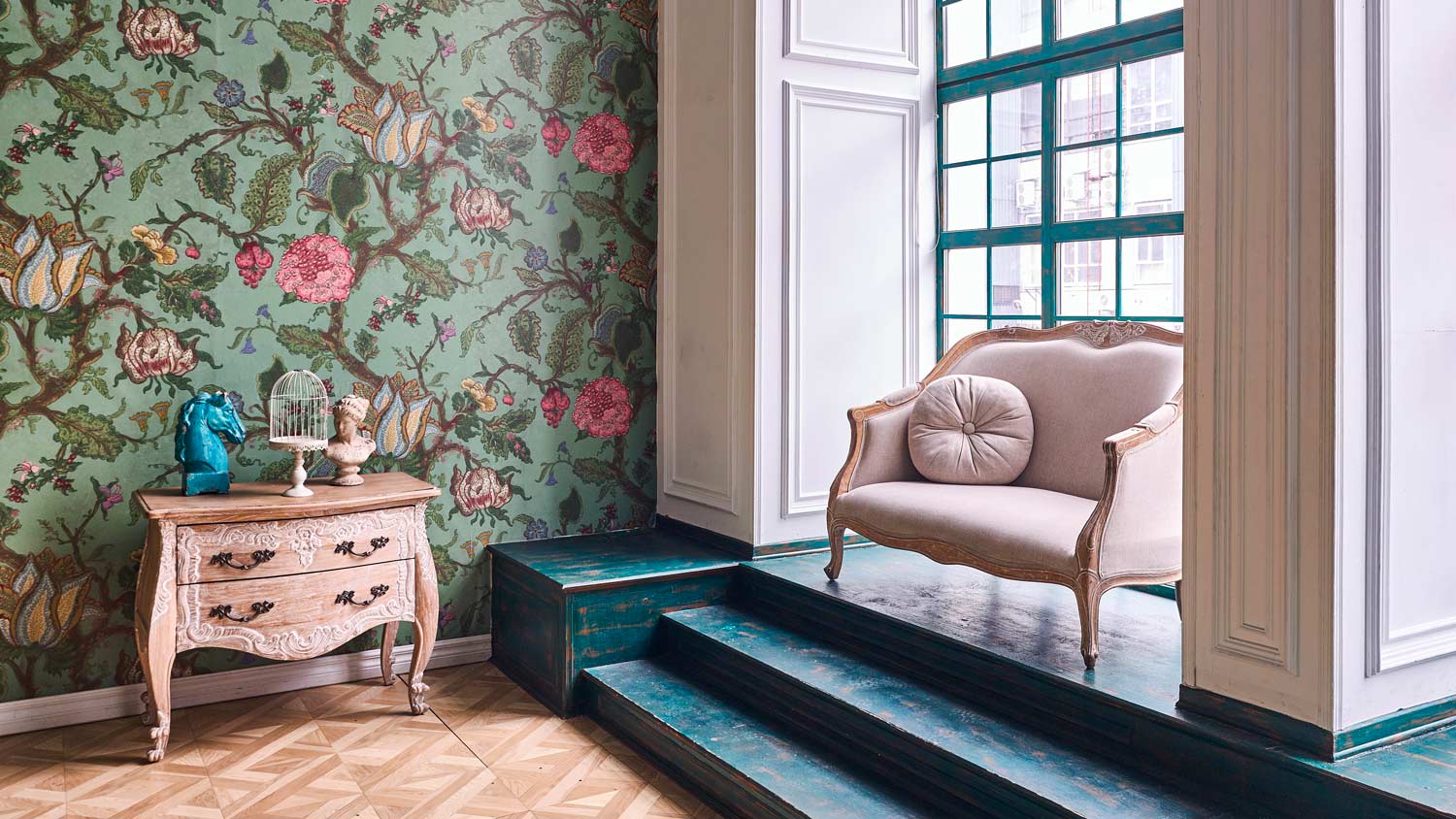
Discover wallpaper installation cost. Learn about material, labor, and project factors to estimate your budget and make informed choices for your home.
Planning a room update? Learn about the wallpaper removal process, costs to expect, and how to find and hire the right local pro for a paint-ready finish.
Taking down wallpaper is a tedious and time-consuming job. Here are some tips on how to hire someone to remove wallpaper for you to make your life easier.