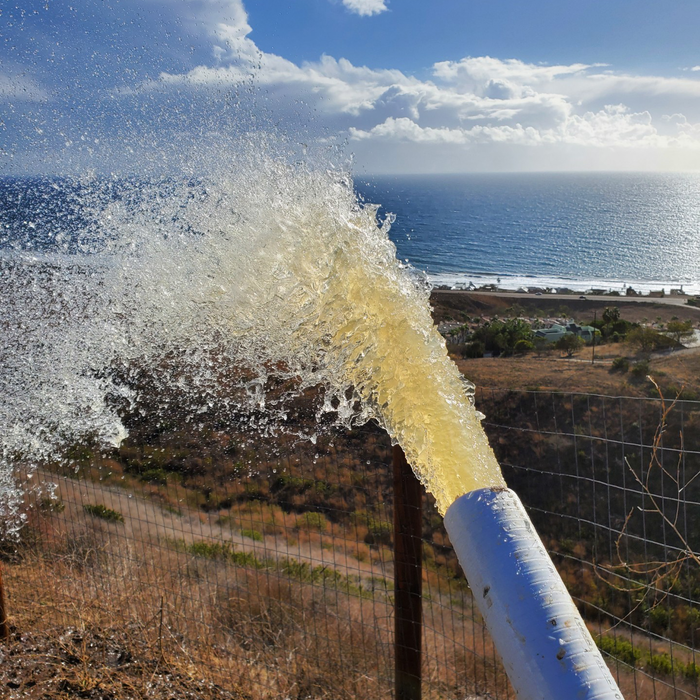
"Vortex Filtration Inc is a excellent company with vast experience & knowledge in conditioning potable well water. I recommend Vortex Filtration Inc to design build and install their patented Vortex water system to solved all well water conditioning issues. My client had a problem for over tens years prior to the installation of the Vortex system. Once installed, the well water in the holding tank was crystal clear. Thanks Vortex!"
"The furnace took 4 days to get approved( not counting a Sunday) the others were quick but the water heater had to be ordered so without hot water for a week. One ceiling fan was easy but within a year their policy changed and They would not install the one I purchased and had to get a new one approved and then ordered online and took several weeks to get straightened out. Not sure who was at fault, AHS, installer or scheduling with renter. Fee is usually $75 per visit"
Bathroom Fan Installation questions, answered by experts
As a general rule of thumb, clean your fans whenever you tidy up the home. Fans benefit greatly from a light weekly cleaning and a deep cleaning at the start of each season. If it’s been a while since you touched up the fans with oscillating blades, start with the deep cleaning before moving on to the lighter touch-ups. If you’re unsure when to clean fans and other parts of the home, learn how often you should clean your home.
Never add oil unless the fan is specifically designed for it. Most modern ceiling fans are designed with sealed bearings that don’t require oiling. However, some older fans may have oil ports for lubrication. If your fan is older and you hear squeaking or grinding, check the manual or the manufacturer’s website to see if oiling is recommended.
Yes, you can run an attic fan with the AC on. In fact, you don’t have a choice with a passive attic fan. Plus, when an attic fan draws out hot air from the attic, it helps regulate the temperature of your whole home, so your AC doesn't have to work as hard.
The direction your ceiling fan spins helps create comfortable airflow in your home and can also help cut down on energy costs.
During summer, your ceiling fan should spin counterclockwise. This will push cooler air downward in a column and help lower your room’s air temperature. In the winter, set your ceiling fan to spin clockwise and at the lowest speed setting. This will pull cool air upwards, displacing the warm air that pools towards the top of your ceiling and bringing it down towards the floor.
Regularly clean the blades, check for loose screws, and lubricate moving parts to prevent noise and wear.
The Aneth, UT homeowners’ guide to bathroom fan installations
From average costs to expert advice, get all the answers you need to get your job done.
The cost to install a bathroom fan will vary based on multiple factors, including the bathroom size, how many fans you need, the type of fan, and more.
Discover the cost to install a ceiling fan, including labor, materials, and tips to save. Learn what impacts your price and how to budget for your project.
Attic fan installation costs vary based on location, fan type, and other factors. Get the cost breakdown for labor, materials, and additional extras so you can work out your budget for this essential home renovation project.
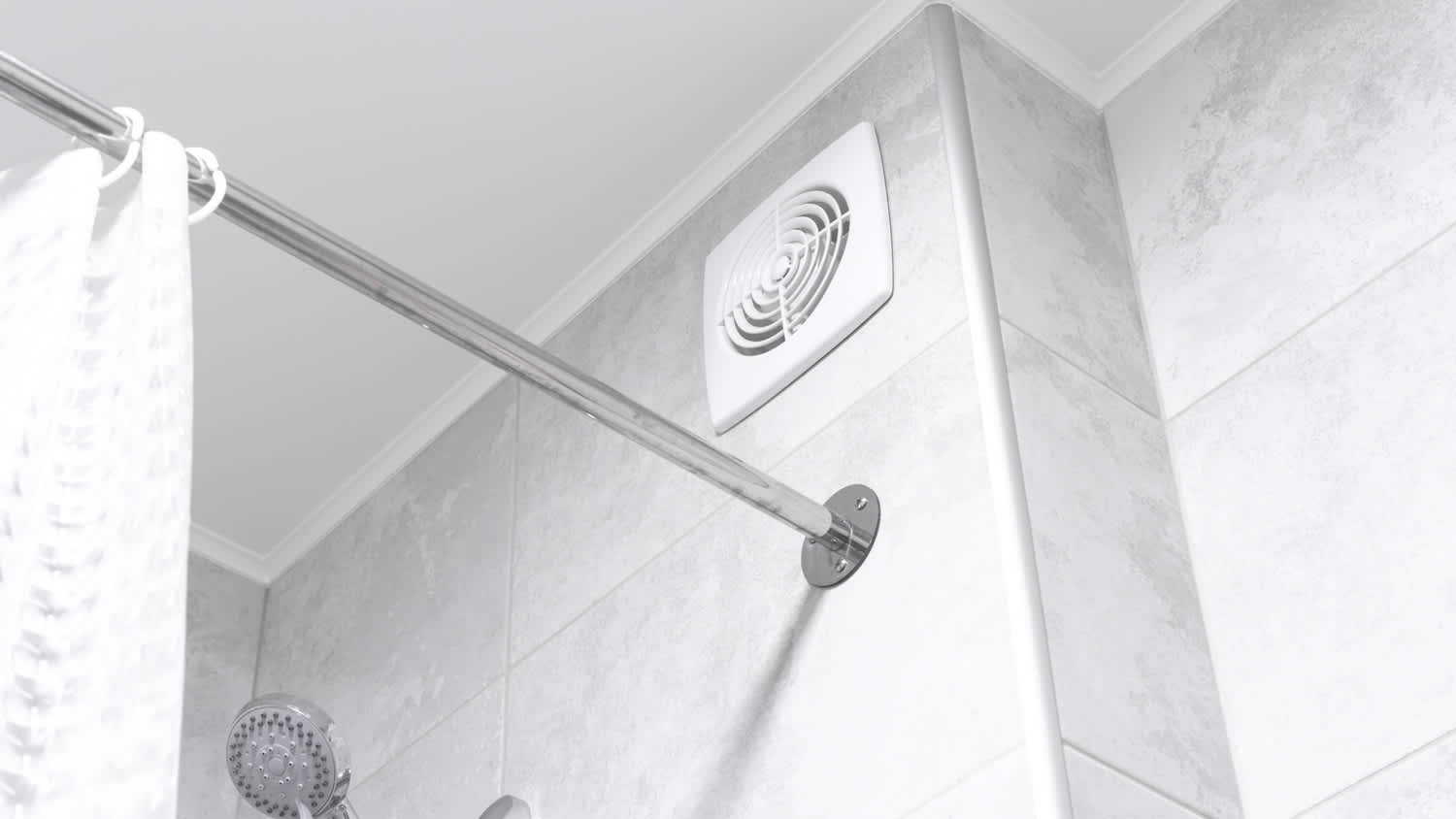
Is your bathroom trapping steam and moisture? Learn about bathroom fan installation costs, warning signs, and how to hire a local bathroom fan installer.
The sweat equity involved in bath fan installation is intense, but having a humidity-free bathroom is worth it. Here's how to install a bathroom fan and get started.