







Top-rated excavation pros.

Get matched with top excavation pros in Lufkin, TX

Enter your zip and get matched with up to 5 pros

Need a pro for your excavation project in Lufkin, TX?

Select your specific project to find the pro for you.

TRUSTED BY LUFKIN, TX HOMEOWNERS

  • Average homeowner rating star icon5
    Average homeowner rating
  • Verified reviews icon21
    Verified excavation services reviews

Find Excavation pros in Lufkin

Avatar for Badger Construction, LLC
Badger Construction, LLC
4.9(
8
)

Serving Lufkin, TX and surrounding areas

Approved

In business since 2019

Free estimates

Offers commercial services

"Followed through with the job for a very good price, was hoping for a little better finished product but they did a good job with the budget and what they had to work with."
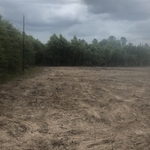
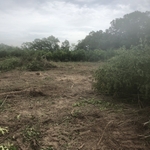
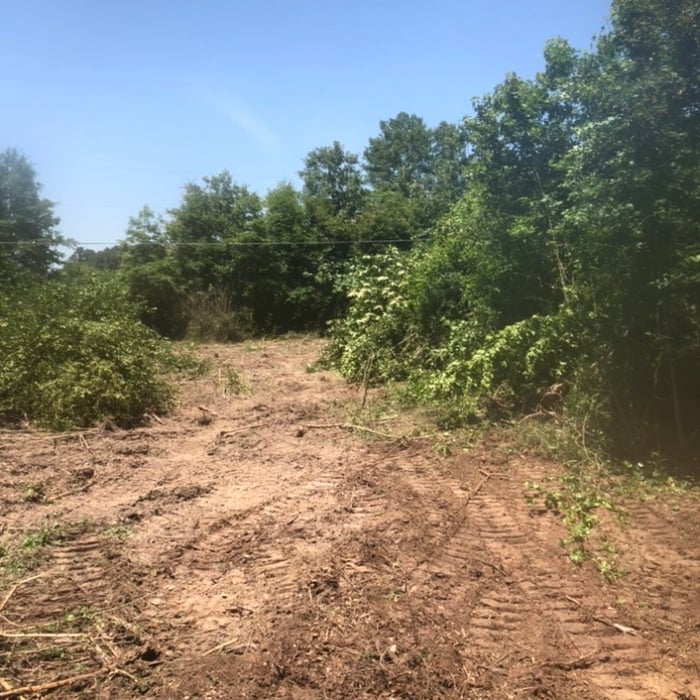
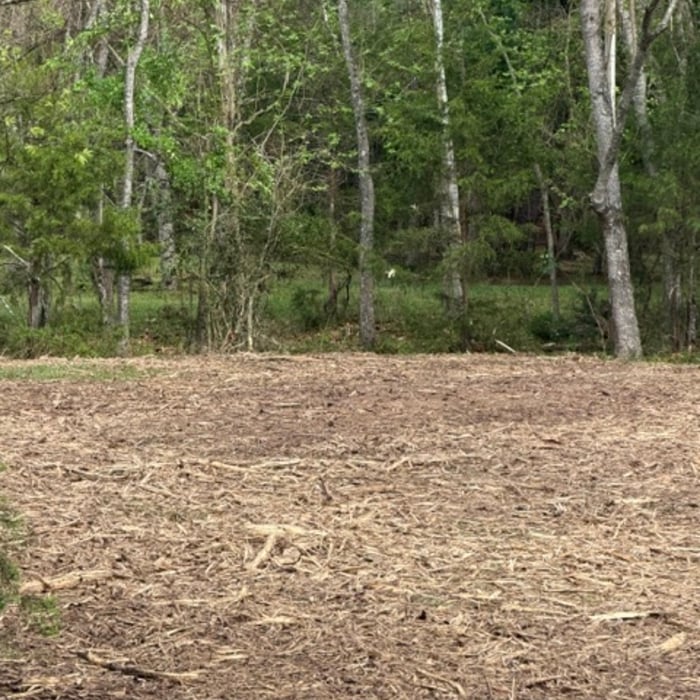
Land cleared
Land cleared
Start of clearing
Culvert installed and finished product cleared
Start of clearing

+15

Response time1 day
Response rate89%
Recommended by100%of homeowners

Avatar for Eddie's
Eddie's
5.0(
4
)

Serving Lufkin, TX and surrounding areas

Approved

Super Service Award Winner

In business since 2019

Free estimates

Emergency services offered

"He brought in truckload of dirt and limestone for the driveway leveled it off and I put up my carport into Connex boxes, 40 foot long 9 1/2 feet tall very efficient"
Tree service
Tree service
Tree service
Tree service
Tree service

+6

Response time5 hrs
Response rate91%
1 neighbors recently requested a quote
Avatar for Frontier Concrete Co LLC
Frontier Concrete Co LLC
5.0(
5
)

Serving Lufkin, TX and surrounding areas

Approved

In business since 2023

Free estimates

Small jobs welcome

"I had an excellent experience with this concrete company. Their communication was outstanding, and they completed the job in a timely manner. The end result is a fantastic-looking driveway. I highly recommend their services! I was impressed by their honesty throughout the entire process. It's reassuring to work with a concrete company that values transparency and integrity."
Projects
Projects
Projects
Projects
Frontier Land Services

+1

Response time2 hrs
Response rate100%
Recommended by100%of homeowners

...
Showing 1-10 of 98
Excavating questions, answered by experts

The best way to protect tree roots is to avoid the roots entirely by excavating outside the root radius of the tree. For nearby projects, it’s a good idea to construct a temporary retaining wall. But that’s not always possible, depending on the project and the root system. In these cases, consider using alternative equipment like an auger to tunnel under the ground.

Remember, tree roots can damage nearby cement foundations as they grow. If a tree is close enough to interfere with large excavations, it may be better to remove the tree than risk future problems.

Trenching and boring are two distinct methods for installing underground utilities. Trenching involves digging a channel using equipment like an excavator, trencher, backhoe, or shovel. While it is a simpler process, it causes significant disruption to the surface, landscaping, and surrounding ecosystems.

Boring, also known as directional boring, is a less invasive alternative that uses a drill to create a tunnel for utility lines without disturbing the surface. This method is more precise and is ideal for installations that need to go underneath buildings, roads, or bodies of water. Although boring is less disruptive, it is generally more expensive than trenching.

Septic drain lines (or leach lines) are typically buried between 18 and 36 inches underground, and should be at least 6 inches below the surface. These pipes are perforated and surrounded by filtering materials like sand or gravel. Burying the lines at this depth helps minimize odors and allows bacteria and other biological processes in the soil to effectively treat the wastewater. Burying lines too close to the surface can cause issues unless the soil is very compact and stable.

You can bury underground electrical wire six inches deep—but only if you use a rigid metal electrical conduit. For rigid, non-metallic conduits, bury the wire at least 12 inches deep. If using an underground feeder cable rated for direct burial, you'll need to place it at least 18 inches deep, as it has no conduit for extra protection.

Depth is not a qualifying component of evacuation. Any human-made cut, cavity, or depression in the earth’s surface is considered excavation. The hole from excavation can be any size, shape, or depth. Excavation is used to create foundations, reservoirs, drainage ditches, and roads. Long, narrow excavations are called trenches and are often used for underground utilities.

The Lufkin, TX homeowners’ guide to excavation services

From average costs to expert advice, get all the answers you need to get your job done.