






"This is hands-down the best company Iâ  ve ever seen theyâ  re quick to respond. They do what they say theyâ  re going to do for the best price."

We pride our company on reliability, great communication, integrity, and quality work. We strongly believe in giving our absolute best in all of our projects no matter how big or small. We are experts in our trade and will always keep you educated on your particular task or project. We look forward to earning your business!
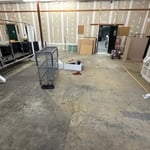
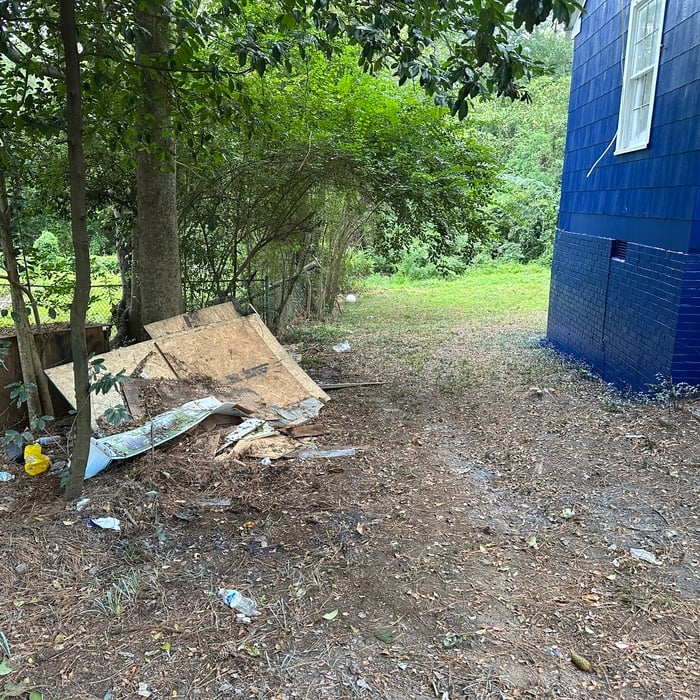
**We help you reclaim your space—without sending everything to the landfill.** Our team provides compassionate, judgment-free decluttering and haul-away services for homes, garages, storage units, estates, and more. We handle the heavy lifting while helping ensure unwanted items are given their best next purpose.\n\nWhenever possible, we sort items for donation, recycling, repurposing, and responsible disposal. Usable furniture, household goods, clothing, and other items may be directed toward people and organizations that can use them, while recyclable materials are kept out of the waste stream whenever feasible. Responsible decluttering commonly prioritizes reuse,recycling, and proper handling of items that require specialized
Water lines are buried at various depths, depending on the type of line. For example, most sprinkler lines are buried between four and 12 inches underground. On the other hand, water mains usually sit between one and 3 feet below ground. However, they can go even deeper in cold climates to prevent freezing.
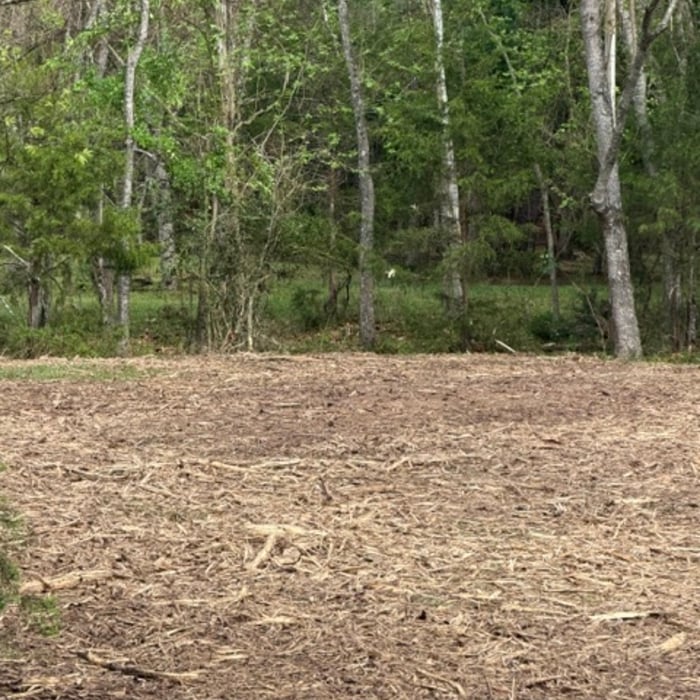
Yes, you can excavate in the winter, but it might make the job harder. Frozen ground is harder to dig, and snow or ice can make the work site more hazardous. A contractor may need special equipment and techniques, such as ground-thawing methods, to break through frozen soil. Although winter excavation is possible, it may take longer and be more costly than excavating during warmer months.
There is no standard depth for burying a septic tank; they are typically buried anywhere from 4 inches to 4 feet underground. The final depth depends on several factors, including the depth of your main sewer line, the height of the bedrock, soil type, local regulations, and the property's landscape. If you plan to grow grass or plants over the tank, a depth of at least 4 to 6 inches is recommended. Deeper tanks can be more difficult to locate, but a septic professional can help find it for you.
Excavation is priced in cubic yards, so you’ll need to find the volume of the area in order to calculate costs. Multiply the length, width, and proposed depth of your excavation site, then convert it into yards to get the volume. Multiply this figure by the price per cubic yard.
Most homeowners can measure by hand to get a rough estimate, even if it’s tedious. You may want to pull out a tape measure or use a string to help mark the area.
A perc test can take anywhere from one to eight hours to complete. The total time depends on factors like the amount of excavation required, the depth and width of the holes, and whether multiple test holes are needed. For a single hole, the process of filling it with water and monitoring the drainage rate usually takes less than an hour. Professionals can often complete the entire test in a single day. While it's possible to get results the same day, some companies may take a few days to provide the official report.
The Crockett, TX homeowners’ guide to excavation services
From average costs to expert advice, get all the answers you need to get your job done.
Excavation costs $1,500 to $6,300 for most residential projects—but it depends on factors like the size of the area. This guide will help you plan a budget.
You can't have an in-ground pool without digging into the ground. How much does pool excavation cost, and can you take it on yourself? Our guide explains.
Picking the right pro can make or break your project. Learn how to hire an excavation pro with the qualifications and skillset to do the job efficiently.