







Top-rated excavation pros.

Get matched with top excavation pros in Center, TX

Enter your zip and get matched with up to 5 pros

Need a pro for your excavation project in Center, TX?

Select your specific project to find the pro for you.

Find Excavation pros in Center

Avatar for Brushwacker Land Services LLC
Brushwacker Land Services LLC
5.0(
29
)

Serving Center, TX and surrounding areas

Approved

In business since 2020

Free estimates

Credit card accepted

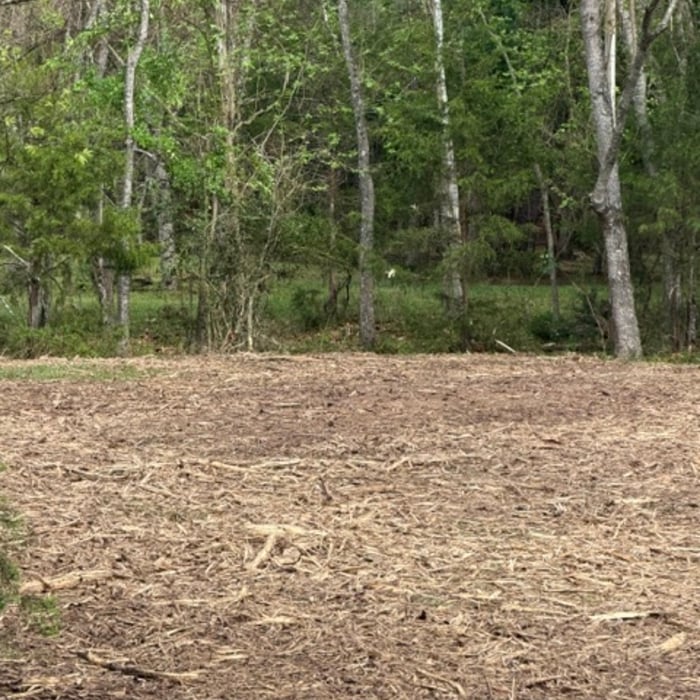
"I was asked to check on my families farm property while visiting Dallas. I drive to east Texas and saw it in disarray. I extended my stay and looked for companies to clear the property on short notice. Scott came gave me a very reasonable estimate. By the end of the week he brought his crew, equipment, and they cleared and cleaned my families property in a day. They were very knowledgeable and helpful. I would recommend them to anyone and plan on using them to maintain the property moving forward. Great job!"

Mulching
Excavation
Ice Storm Clean Up
6 neighbors recently requested a quote
Recommended by62%of homeowners

...
Showing 1-10 of 55
Excavating questions, answered by experts

Sewer lines can be buried anywhere from 18 inches to 8 feet deep, with a common average depth between 18 and 30 inches. The exact depth depends on local factors like climate and soil type. In colder regions, pipes must be buried deeper (below the frost line) to prevent freezing, sometimes as deep as 8 feet. The digging depth can also impact the cost of sewer line replacement. To find the specific depth for your property, you can check the building plans for your system, which should be on file with your city or local sanitation department since permits are required for installation.

The digging depth will depend on the size of the trencher you use. Even smaller units can dig up to 4 feet deep, which is plenty for a DIY job. However, much larger trenchers can reach a depth of 18 feet and are better used by a team of pro contractors, not a single DIYer. As with all home improvement projects, use the right tool for the job and proceed with caution.

How deep your septic system needs to be into the ground depends on several factors. In extremely cold environments, the tank needs to rest below the maximum frost line, which can be up to six or eight feet deep. The standard burying depth for most systems is between a few inches and four feet below ground level. Depth can also depend on the slope of the landscaping and other property variables. 

No, you typically cannot use metal detectors to find your sewer line. Most sewer lines are made of non-metallic materials such as PVC, clay, or cast iron, which are not detectable by standard metal detectors. Metal detectors are designed to locate metallic objects, so they won't be effective for identifying the path of a non-metallic sewer line. To locate your sewer line accurately, it's best to use other methods.

Yes, chipmunk holes may have two or more entrances. Chipmunks can create an entire network of burrows. Having multiple entrances makes it easier for them when trying to escape from a predator, such as a snake, or if an entrance collapses due to flooding. Each entrance leads to the nesting chamber underground, which is where the chipmunk spends the majority of its time sleeping.

The Center, TX homeowners’ guide to excavation services

From average costs to expert advice, get all the answers you need to get your job done.