







Top-rated plaster repair specialists.

Get matched with top plaster repair specialists in Webster, TX

Enter your zip and get matched with up to 5 pros

Need a pro for your plaster repair project in Webster, TX?

Select your specific project to find the pro for you.

TRUSTED BY WEBSTER, TX HOMEOWNERS

  • Average homeowner rating star icon4.5
    Average homeowner rating
  • Verified reviews icon436
    Verified plaster repairs reviews

Find Plaster repair specialists in Webster

Avatar for Nail'd It Renovations
Nail'd It Renovations
4.6(
22
)
Plaster - InstallPlaster - Repair

Serving Webster, TX and surrounding areas

Approved

In business since 2018

Free estimates

Emergency services offered

"Andy of Nail'd It Renovations completed the gate and fence repair within less than a day of being hired. I am VERY pleased with his work. His price was very reasonable. I highly recommend him."

Front Half of Kitchen
Second Half of Kitchen
First Half of Kitchen
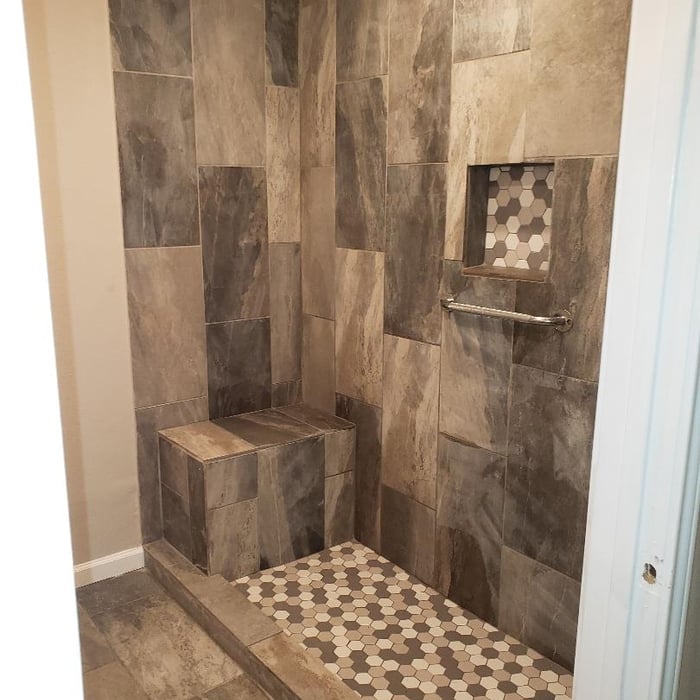
bathroom
bathroom

+41

Response time1 day
5 neighbors recently requested a quote
Recommended by90%of homeowners

Avatar for Setcon
Setcon
3.0(
28
)
Plaster - InstallPlaster - Install - For BusinessPlaster - Repair+1 more

Serving Webster, TX and surrounding areas

Approved

In business since 2007

Free estimates

Emergency services offered

"What a great experience working with Brandon and Brent! From hanging my Christmas lights, mounting 2 TVs and installing a ceiling fan, the final products look perfect! I canâ t say thank you enough! They also made sure they kept my house clean in every room they went into, thatâ s a big deal for me! Highly recommended!!"
 After
 deck flush with concrete
Door Refinishing
Custom Stage
 Before

+53

Recommended by92%of homeowners
Winek & Co. LLC
New to Angi
Plaster - InstallPlaster - Repair

Serving Webster, TX and surrounding areas

Approved

My name is Brett Winek, and construction and helping others has been a passion of mine my whole life. I've come together to work with my father and childhood friend to make my dream of growing a great and reliable company to life. I operate my business off of clear and precise work, and value being punctual and reliable to my customers as we value your time and understand that time is valuable.

...
Showing 1-10 of 195
Plaster Repair questions, answered by experts

Plaster can be a difficult DIY to master, especially if you plan to plaster an entire room, rather than patch a small area. Before you begin a plaster DIY project, you need to know which tools and type of plaster to use. It's also important to know how to prepare the surface and apply the plaster for a smooth finish. If that all sounds like a lot of work, you may prefer hiring a local plaster repair contractor to do the job.

Although they have similar applications, spackle and joint compound are not the same. Their primary differences lie in their composition, consistency, and ideal use cases.

Spackle is composed of gypsum and binding agents, making it thicker than joint compound. It dries quickly and is easy to sand, which makes it ideal for small wall repair projects like filling nail holes or patching minor damage.

Joint compound, also known as drywall mud, consists of limestone and gypsum. It is primarily used for large-scale projects, such as taping and finishing the seams on newly installed drywall. It tends to shrink more than spackle and can be more difficult to spread.

While both products can be used to fill small depressions and cracks, spackle cannot replace joint compound for taping and mudding new drywall. Conversely, you can often use joint compound for small patching jobs typically done with spackle.

You’ll want to inspect your plaster walls for signs of damage before painting. If you notice soft spots, deep cracks, bubbling, or areas where the plaster is crumbling or pulling away from the wall, it likely needs repair. While small hairline cracks are common and likely cosmetic, you should address larger issues before painting to ensure a quality, smooth finish.

Yes, you can apply new plaster over an existing plaster surface, such as a wall or ceiling, provided the old plaster is in good condition. Before you begin, check the stability of the existing plaster. The surface must be clean, free of loose material, and have no peeling paint. It is also recommended to roughen the surface slightly to promote adhesion. For older plaster, applying a base coat like a PVA emulsion or a specific bonding agent or primer is crucial. This step makes the existing plaster less porous and ensures the new and old layers adhere properly for a smooth, long-lasting finish.

Look for flaking paint or air bubbles that burst and then flake away. Paint will begin to flake after being exposed to minimal moisture or water, so it’s a good indicator of any water damage. If you notice your paint starting to flake, feel the plaster underneath to see if it is soft or damp.

The Webster, TX homeowners’ guide to plaster repairs

From average costs to expert advice, get all the answers you need to get your job done.