NVH Facility Solutions is a facility cleaning and maintenance company working across El Paso and Las Cruces. We started in commercial kitchen exhaust — the work that gets inspected — and built everything else around that standard.\n\nPost-Construction Cleaning.\n\nHood & Exhaust cleaning and repair.\n\nShort term rental cleaning.\n\nResidential Cleaning.\n\nResidential & Commercial Pressure Washing.\n
"Mr. Danny came in and evaluated the damage on our roof. He was very clear and professional in explaining the steps and how the whole process worked. We agreed and he then came in a day later w moth his team of very professional and nice guys. They worked full days and finished the job within the time that was suggested, they also cleaned up (which was a worry of ours) after the completed their work. Our house looks great! Would definitely recommend and use their services again if I ever had the need for roofing services again. Lifetime Roofing is definitely a company to trust and use for your home."
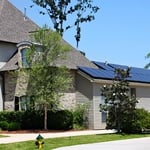
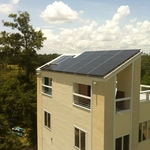
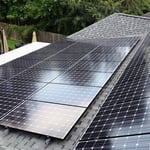
"My experience with this company from the 1st phone call to the installation to the service after the job was completed has been great. They did a good job of communicating with us along the way and letting us know what to expect. Our salesperson was very knowledgeable and helpful. We were very impressed that the owner of the company sent us a card with his contact information and encouraged us to call him if we had any questions or concerns. The installation crew showed up on time and finished the entire job in one day. They kept things neat and did a good job of answering my 1,000 questions I had for them during the installation. A special thanks to Mr. Trey, who went out of his way during the installation of the solar panels to make me feel comfortable. When I called him with questions about how the waterproofing worked, he stopped the entire job and brought me up on the roof to show me how the special roof brackets keep things from leaking. We have just received our first electric bill and it was significantly lower than the same bill last year. We would recommend this company. "
For insurance purposes we will only service/repair equipment we install. \n\nI’m told the customer chooses the contractor on Angi and I believe that but I don’t believe that 95% of you can’t even respond in email text or phone call. Please gather your estimates & come to me last. I will beat any price by $1000 or more. I’m only trying to help you bring home that deal your looking for backed by a great company with our industry leading 30 year worry free deductible free warranty. I can’t help you if you can’t respond. \n\nPowur is a solar energy installation company that has installed thousands of residential solar systems across 20 US states since its founding in 2014. Powur has partnered with a number of industry leaders to provide homeowners with quality solar panels, inverters, backup batteries & solar generators, & other energy efficiency upgrades designed to reduce the monthly utility bill as well as help the environment. \n\nPOWUR DIFFERENCE\n\nYour solution to low cost, clean, reliable energy your family can depend on.\nFinancially Secure: Investor backed & Member owned\nExperienced: Over 5,000 successful installations\nDoing Well By Doing Good: Fully certified B-Corp\nValidation: Inc. 5000 Fastest Growing Company in America
Your local and nation wide Roofing company.\nServicing the El Paso and surrounding Texas areas. We are licensed, bonded, and insured! ! We guarantee your satisfaction, and we won’t leave until the job is done right. We pride ourselves on the quality work we provide, while delivering great customer service! Check out all the services we offer below and call -or- click to schedule a free estimate today!
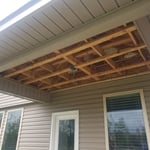
I have 35 years experience building in the Austin area. Siding exterior trim and outdoor entertainment areas as in pergolas arbors are my specialty to me. I can build an addition to your existing house I can build your beautiful deck can replace your windows or doors. I’m an Army Veteran.
"Great company. Although there were a few hiccups with starting on time (i.e., additional parts I added and initial delivery of materials to the wrong location), the job itself looks outstanding. Ryan did a great job of explaining everything to me and answering my questions. If he didn't know the answer, he called someone else to get it. I don't anything about roof installation, but the job these guys did looks great; much better than my old roof. I would definitely recommend them to anyone needing roof work."
I also do concrete slaps, concrete driveways, and stucco. I can have 3 to 9 man with me it depends on how big of a job I get. All jobs required 50% down or cost of materials up front.
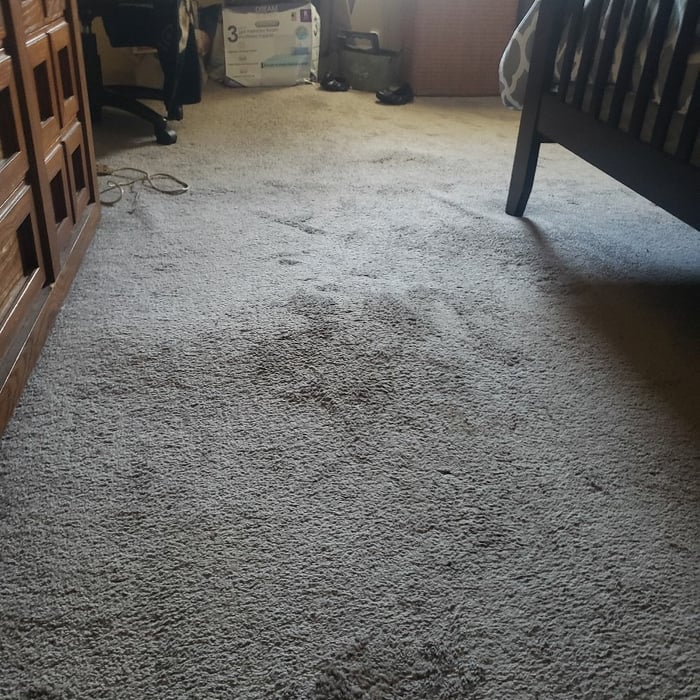
"The provider requested OK from Choice Warranty and he was denied. It rained last night and rain came into my home. It could have been avoided if Choice had just approved what I requested. Now, the damage will be greater than necessary. I blame Choice home warranty for my home damage. Now it will cost mote than a simple tarp could have prevented until I could get money to repair roof. The provider was great and tried his best to get something done to my roof but Choice Warranty was horrible and no help. They get a "zero" from me"
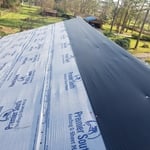
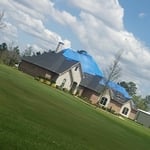
You should tarp a roof whenever roof damage occurs. Missing shingles and holes in your roof can cause roof leaks and problems that come with them. Tarping is a quick way to provide temporary roof protection while you wait for a professional roofer to make repairs.
Costs vary by repair scope, materials needed, and labor, with average repairs ranging from $300 to $1,000, contingent on roof size.
An insulated garage benefits from roof vents to ensure proper ventilation and prevent moisture buildup. Insulation can trap moisture in the garage, especially during temperature fluctuations, and roof vents play a crucial role in expelling the moisture in the air. Including roof vents promotes air circulation, preventing condensation and enhancing overall air quality.
Gable roof construction can last for 100 years or more without needing structural repairs, although the lifespan depends on your climate. Since gable roofs are great at shedding rain and snow, the actual roofing material on top will last for between 20 and 100 years or more, depending on the material you choose. If you’re unsure that your gable roof is up to par, have a roof inspector take a look.
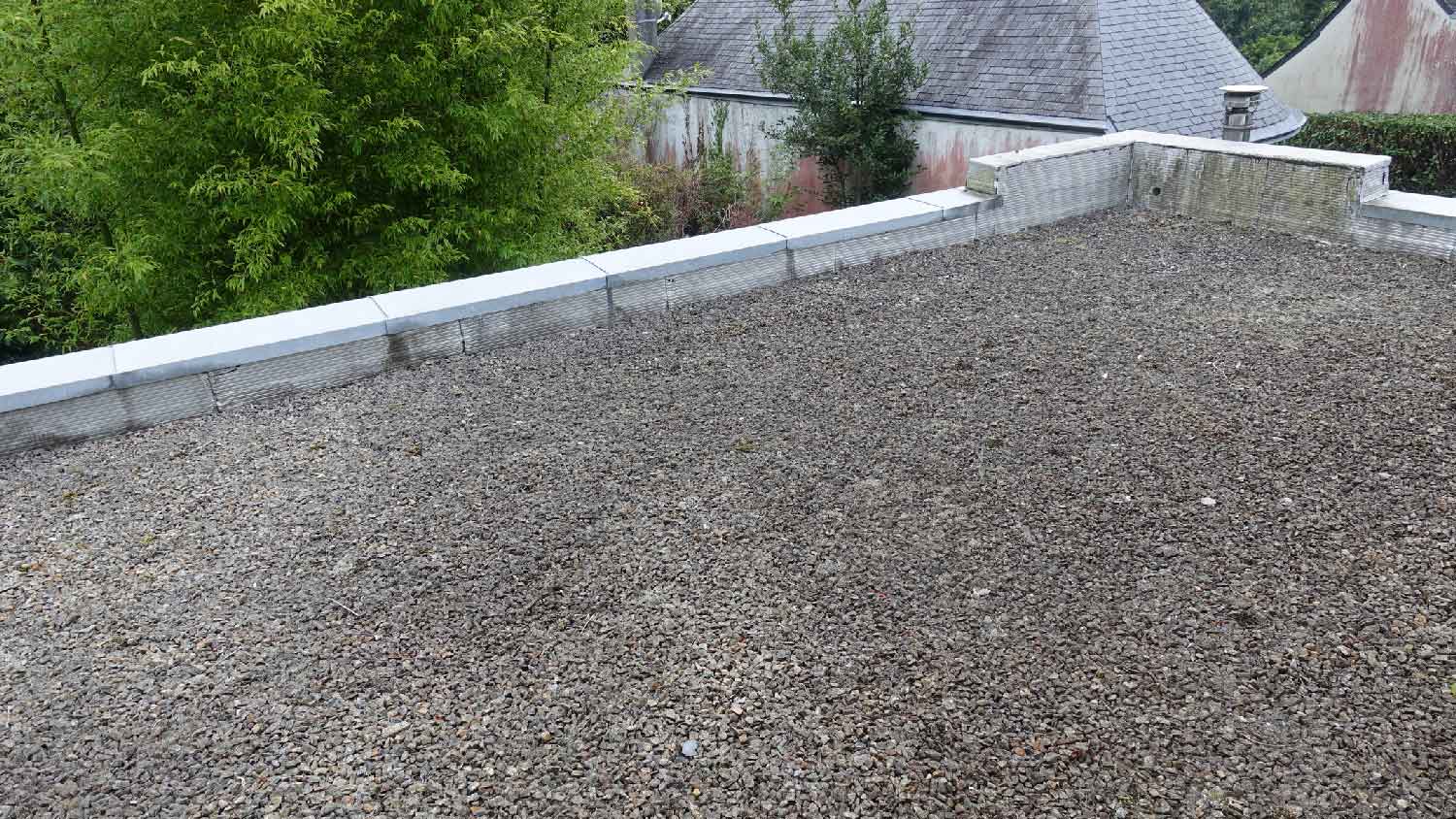
Technically, a flat roof can be raised, but it’s extremely expensive, and there would not be much of a point. Most homeowners raise the roof in their homes to access the space between their existing ceiling and the roof, but flat roofs don’t have this space. Therefore, you can raise a flat roof, but it involves heavy structural modification.
The Van Horn, TX homeowners’ guide to roofing services
From average costs to expert advice, get all the answers you need to get your job done.
Sealing your roof can help preserve its life span—you just have to choose the right coating. This guide will help you budget for your total roof coating cost.
A new metal roof can add a unique touch to your home’s curb appeal and help maximize efficiency. Learn about metal roof costs and what affects your total.
While a steel roof can cost a significant amount, it’s a hardy roofing option with great curb appeal. Learn all the factors that influence how much a steel roof costs.