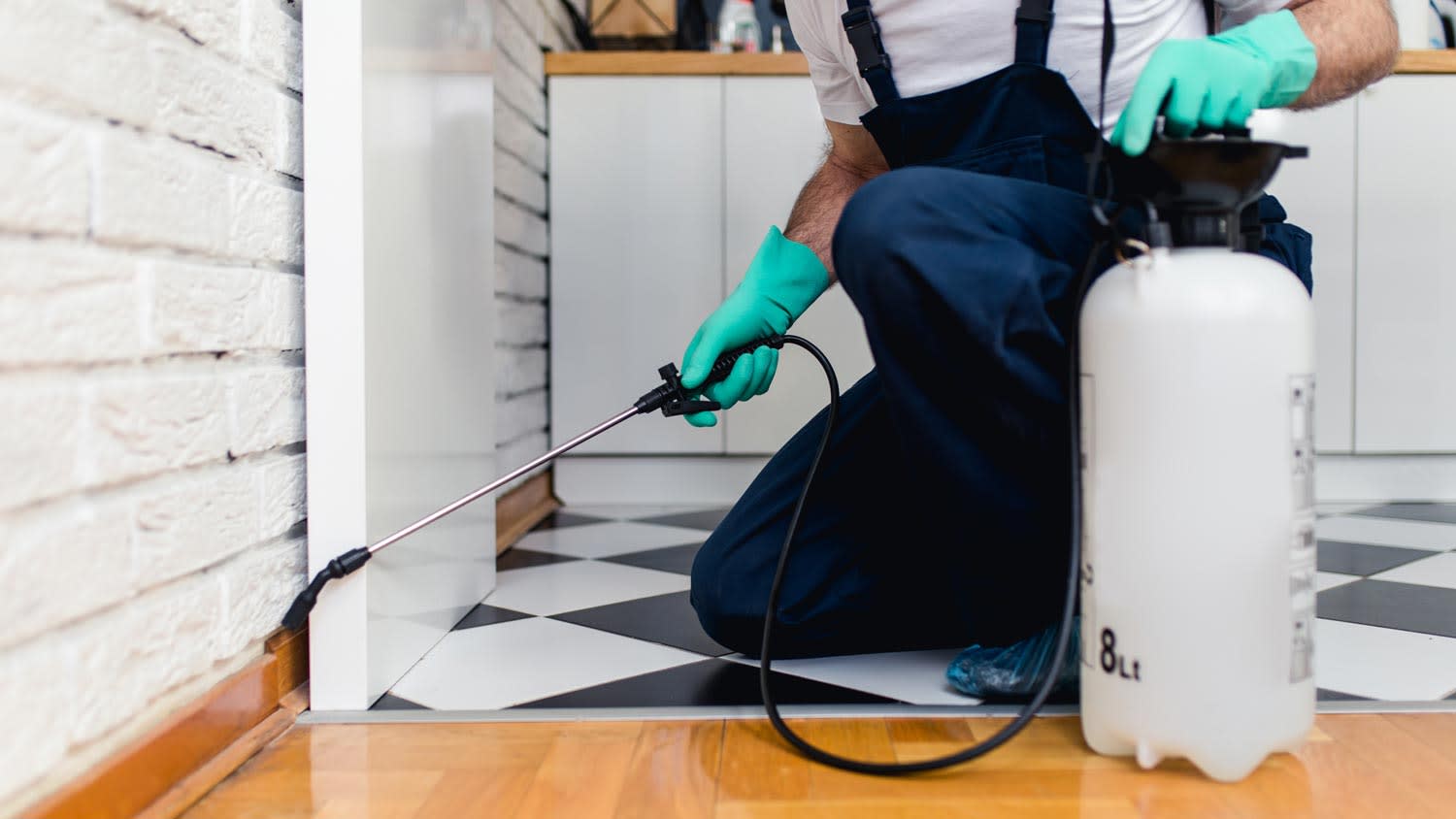
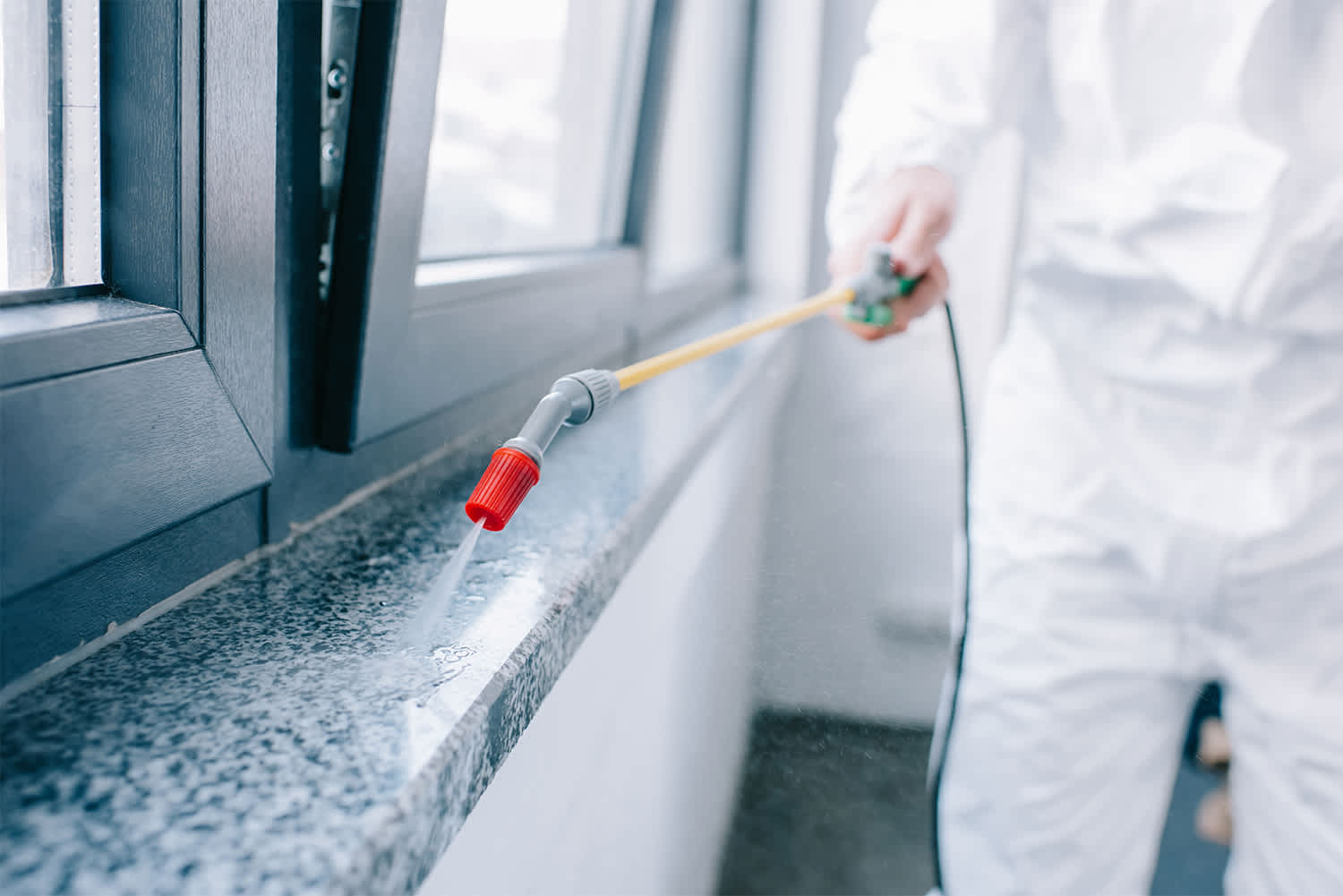
"Very knowledgeable guy who seem to know what he’s doing. Don’t know results of spraying. Have had much rain since. Will have to see if it worked. Terminex will spray again the beginning of next month."
We pride our company on reliability, great communication, integrity, and quality work. We strongly believe in giving our absolute best in all of our projects no matter how big or small. We are experts in our trade and will always keep you educated on your particular task or project. We look forward to earning your business!
\n
"United Air Temp was able to procure a replacement furnace controller board in a couple of days and Zachary was out within 4 days of the initial visit. The furnace now works very well."
Groundhogs are definitely cute, but it’s usually not a good idea to have them living in your yard. Not only can groundhogs tear up your grass and create unsightly holes and burrows, but they can also carry infectious diseases that are dangerous to humans.
Cinnamon's warm scent appeals to many people but not to many bugs. The spice contains eugenol, which also happens to be used in insecticides. While the level of eugenol in cinnamon isn't enough to eliminate bugs on its own, the scent can be strong enough to keep them away.
You can try sprinkling cinnamon around areas where you've seen insects, such as ants and mosquitos. Remember that you'll have to reapply frequently, especially after periods of rain.
The easiest way to tell what kind of wasp you have is to identify its size, markings, color, and the type of nest it builds. These factors can help differentiate one type of wasp from another, since there are hundreds of thousands of different species. If you need help identifying the wasp type, consult a local pest control professional.
Whether a one-time spray treatment to control mosquitoes is enough depends on multiple factors. Often, you’ll notice a big difference after one application. However, mosquitoes are likely to return if you don't reduce attractive standing water habitats. This usually takes four to eight weeks if it’s still prime mosquito season.
Whether dryer sheets can keep squirrels away is a bit of a mystery because the evidence is entirely anecdotal. Many households claim to have success with using dryer sheets for keeping squirrels away by placing them throughout their attics, yards, on a clothesline, and any other area where squirrels like to run through. Squirrels do not like strong scents, so if you try using dryer sheets, the ones with the strongest scent may be the most effective.
The Van Horn, TX homeowners’ guide to pest control services
From average costs to expert advice, get all the answers you need to get your job done.