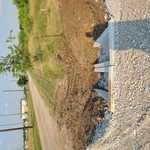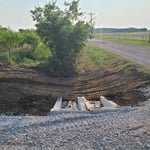
"I thought they did a fine job on all aspects of the renovation with the exception of the finish of the exposed aggregate decking that was poured. The contractor they hired to do this obviously took no pride in his work. There were 2 spots where a stick of wood was showing on the finish and when he he used the water to expose the aggregate, he washed out some pebbles making the finish feel rough."
"This is hands-down the best company Iâ  ve ever seen theyâ  re quick to respond. They do what they say theyâ  re going to do for the best price."
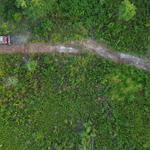
"Great job!!!! Needed some horse trails cleared and new ones made. Devin did a fantastic job!! Came out and listened to what I wanted and took care of it beautifully!! Couldn’t have been nicer or more professional. Highly recommend and will use again!"
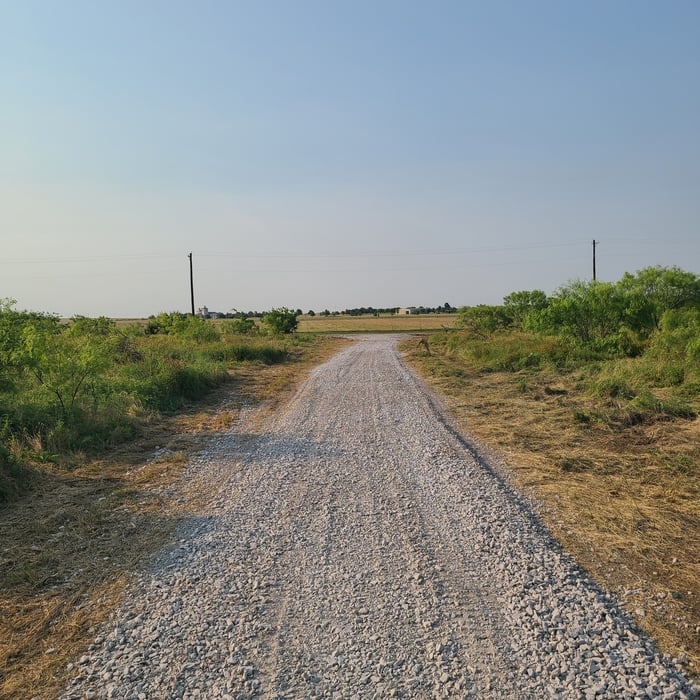
"They came out and gave us an estimate, then we proceeded to hire them to repair our driveway. Excellent job! Will contact them again in the future when ready to complete the rest of our driveway!!!"
"Jensen Irrigation did a fantastic job for me on my irrigation system. Caleb was quick to respond, assessed what needed to be done and had some great suggestions, and did the work well, leaving everything look great and in perfect order. I would highly recommend Jensen Irrigation. I have already enlisted them to do some additional work for me, including sod, landscaping, and tree trimming."
It’s possible to transplant trees as tall as 50 feet when an experienced tree planting service uses the right equipment. However, a tree with a trunk larger than two or three inches in diameter needs to be handled by a professional in order to yield successful transplanting results. Consulting a tree planting professional is the best way to tell if your large tree can be safely transplanted.
Digging a bush up by the roots is the most natural DIY method for removing a bush stump. Start by identifying the shrub type and revealing its roots. Cut the shrub to its base and loosen the soil, ensuring no utility lines are nearby. Optionally, treat the base with herbicide, then dig around the roots and cut a circle around the shrub using various tools. Dig a trench, cut the base of the root ball, and finally fill the hole to prevent regrowth. This thorough process ensures complete removal without damaging surrounding areas.
How deep your septic system needs to be into the ground depends on several factors. In extremely cold environments, the tank needs to rest below the maximum frost line, which can be up to six or eight feet deep. The standard burying depth for most systems is between a few inches and four feet below ground level. Depth can also depend on the slope of the landscaping and other property variables.
The rules for trenching and excavation include setting up and following safety protocols, learning how to use tools and machines properly, and ensuring there is a safe exit for all workers. Keep heavy equipment and materials away from the edge of the hole or trench. Call the 811 dig line before starting any excavation or trenching project to ensure you don’t hit any electrical or gas lines.
If you don’t wish to dig it out and convert it into a finished basement, you can still encapsulate your crawl space to protect it from damage for an average cost of $5,500. Finishing a crawl space beyond this isn’t really worthwhile, as the low ceilings mean you won’t be able to use the area as living space.
The Valley View, TX homeowners’ guide to excavation services
From average costs to expert advice, get all the answers you need to get your job done.
Excavation costs $1,500 to $6,300 for most residential projects—but it depends on factors like the size of the area. This guide will help you plan a budget.
You can't have an in-ground pool without digging into the ground. How much does pool excavation cost, and can you take it on yourself? Our guide explains.
Picking the right pro can make or break your project. Learn how to hire an excavation pro with the qualifications and skillset to do the job efficiently.