Top-rated excavation pros.

Best excavation pros near Stephenville, TX

Enter your zip and get matched with up to 5 pros

Need a pro for your excavation project in Stephenville, TX?

Select your specific project to find the pro for you.

TRUSTED BY STEPHENVILLE, TX HOMEOWNERS

  • Average homeowner rating star icon5
    Average homeowner rating
  • Verified reviews icon16
    Verified excavation services reviews

Top-Rated Excavation pros in Stephenville - Updated Nov 2026

Avatar for Compean Excavation
Compean Excavation
New to Angi
Building Site - Preparation and ClearingBuilding Site - Preparation and Clearing - For BusinessExcavation - Major Grading or Resloping+1 more


Serving Stephenville, TX and surrounding areas

Approved

Free estimates

Small jobs welcome

Offers commercial services

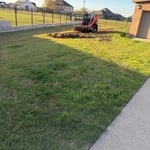
Skid Steer Operator for Hire – Site Prep & Dirt Work\n\nNeed dirt moved or land cleared? \nProfessional skid steer services available with an experienced operator. From small cleanups to full site prep, no shortcuts—just solid work.\n\nBrush clearing, grading, driveways, pads, trenching, and more. Residential and commercial jobs welcome. Serving North Texas.\n

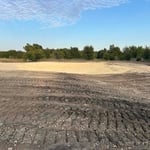
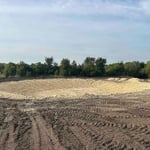
Finished Grading
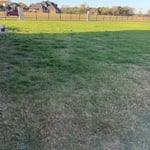
Finished Grading
Finished Grading
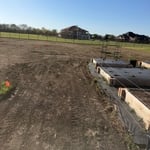
Cedar Hill Project
Troy Whisenhunt
New to Angi
Building Site - Preparation and ClearingExcavation - Major Grading or ReslopingLandscape - Minor Grading or Resloping

Serving Stephenville, TX and surrounding areas

Approved

Free estimates

Offers commercial services

With over 15 years of experience in excavation and heavy equipment operations, we provide professional dirt work, land clearing, and site preparation for ranches, residential properties, and commercial projects. Our services include pond construction and cleanouts, brush and cedar clearing, building pads, grading, drainage, and ranch road construction. We take pride in providing quality work. From small projects to large acreage improvements, we’re committed to getting the job done right.

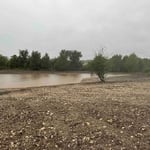
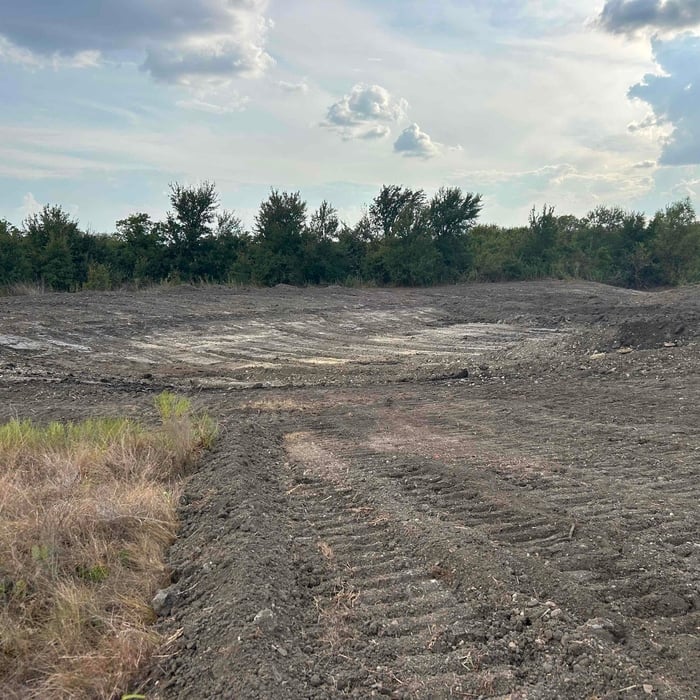
Cattle Pond
Cattle Pond
Cattle Pond
Cattle Pond
Cattle Pond

+1

...
Showing 1-10 of 122
Excavating FAQs, answered by experts

Trenching and boring are two distinct methods for installing underground utilities. Trenching involves digging a channel using equipment like an excavator, trencher, backhoe, or shovel. While it is a simpler process, it causes significant disruption to the surface, landscaping, and surrounding ecosystems.

Boring, also known as directional boring, is a less invasive alternative that uses a drill to create a tunnel for utility lines without disturbing the surface. This method is more precise and is ideal for installations that need to go underneath buildings, roads, or bodies of water. Although boring is less disruptive, it is generally more expensive than trenching.

A crawl space can be as little as 42 inches below the grade of your house, but this is not always recommended in flood-prone areas. At a minimum, there must be at least 16 inches of clearance between the ground and the floor joists to access the space in an emergency.

To determine whether your homeowners' insurance will cover crawl space repair, consider the cause of the issue. Repair may be covered if the problems were caused by an event that the insurance covers, such as vandalism or a windstorm. However, companies won't cover the repair if the issues are caused by neglect or wear and tear.

Landscape edging is more DIYable than trenching. You can DIY your own digging projects, but proceed carefully and only with proper knowledge of the equipment and appropriate safety measures in place. Keep in mind the project's scope and estimate how long it will take you to do it on your own. While you can certainly save money by DIYing home improvement projects, you can’t exactly hide an unfinished—or worse, ruined— landscaping job from the neighbors. It’s always safer to call an excavation pro near you to get an estimate.

Most residential basements are 8 to 10 feet deep. You can dig deeper depending on building codes, but it does become more difficult. You’ll likely need to install stronger foundation walls and additional supports to handle the increased load. Depending on the water table, you may also need a water management system. Clay soil can support a deeper foundation than sandy soil. A structural engineer will be able to tell you the maximum, feasible depth.

The Stephenville, TX homeowners’ guide to excavation services

From average costs to expert advice, get all the answers you need to get your job done.