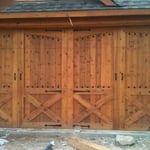
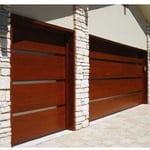
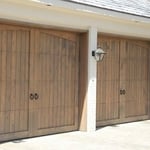
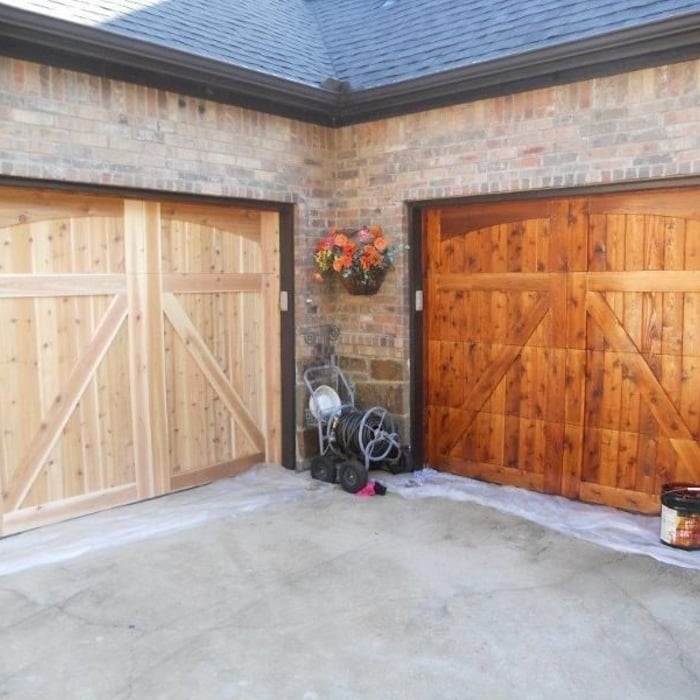
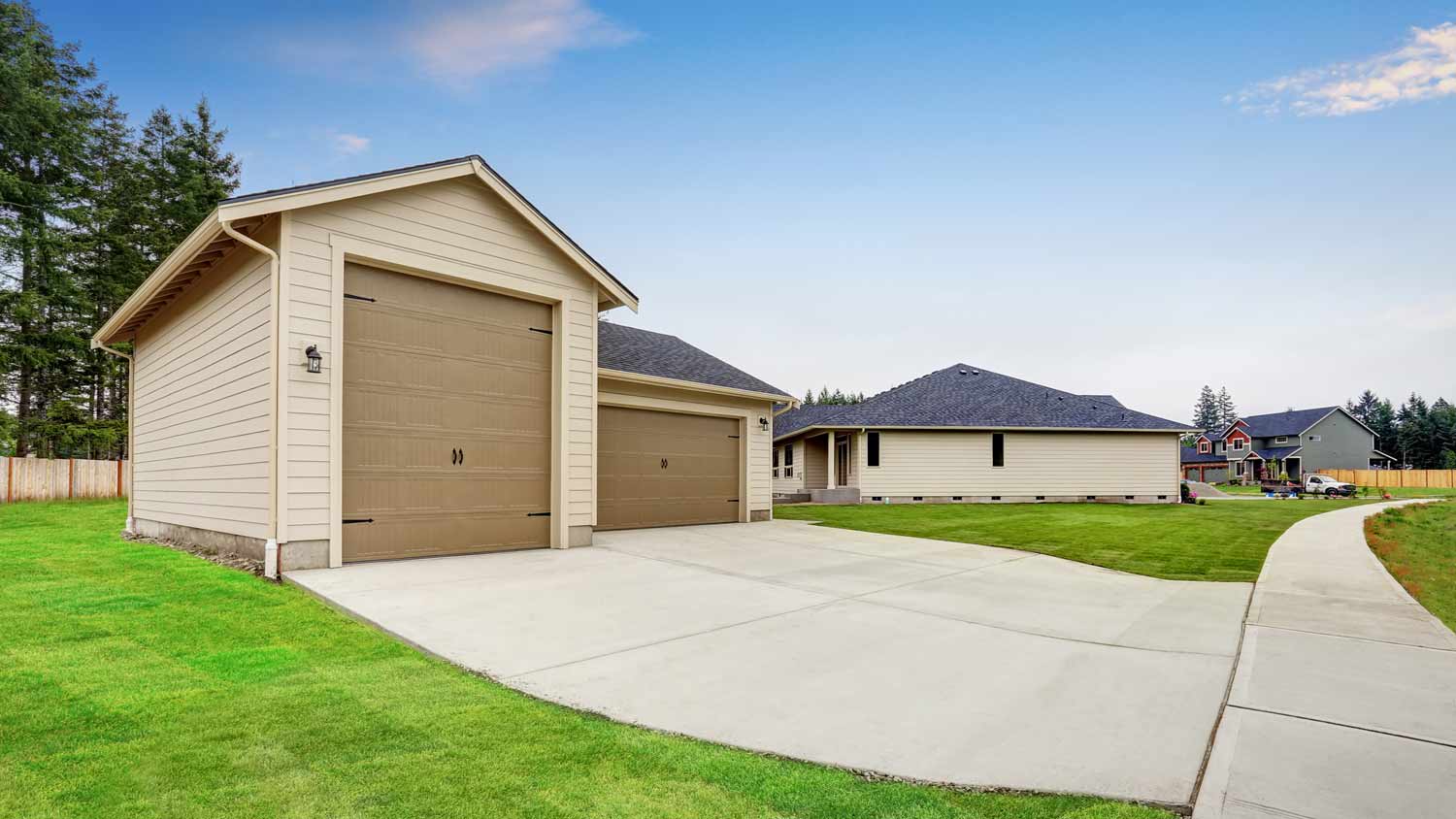
"They were awesome. I had an oddball sized garage door and they were able to locate and install a new one, add a lift motor, replace all of the channeling and add an outside entry keypad. Now I'm able to park the cars inside once again. "
"I ve wanted to have a shed for additional storage for sometime. When I started getting bids, I went online to Home Advisor. AA Construction, LLC gave me a bid that was hard to beat. Mr. Acosta worked with me to ensure I got the shed I wanted and at a price I could afford. He made sure I was totally satisfied during and after the build (including all of the extras I asked for). I am very pleased with the work and professionalism of AA Construction, LLC. I highly recommended them for anyone s home improvement project."
"There was just some miscommunication. I thought they were only giving me a quote, however, MD believed otherwise. I ended up going with someone else, but still needed help.About a week later, I called Derrick and Sara back for another quote. However, when Derrick returned to my house, I was humbled very quickly. And at the end of it all, a bit disappointed. he made me feel terrible for choosing someone else first, and then told me he needed money to be paid upfront. I ended up paying $225 to have MD Enterprise mow my neighbors front and back yard. As terrible as this sounds, I feel ashamed of where I live. It's not even my property, but I paid to have it mowed. I waited one day, and the next evening, I had to sweep the debris off the driveway and the sidewalk myself. And MY part of the yard, well, they clearly just missed the assignment. Again, I'm not angry, just disappointed."
"Omar and his crew were professional, dependable, courteous, thoughtful and considerate. They did all they could to make this experience and excellent one. The workmanship is excellent and we would compare it to anyone else's. They finished our project which was a gutted bathroom, putting down flooring, beadboard, chair rail, baseboard, putting in shower, vanity commode. Omar put down flooring in front of our front door and built a steady ramp for our storage building. WE have other projects that we will be doing in the future. Omar is he first and only person we will call. WE thank him and his crew for all they have done."
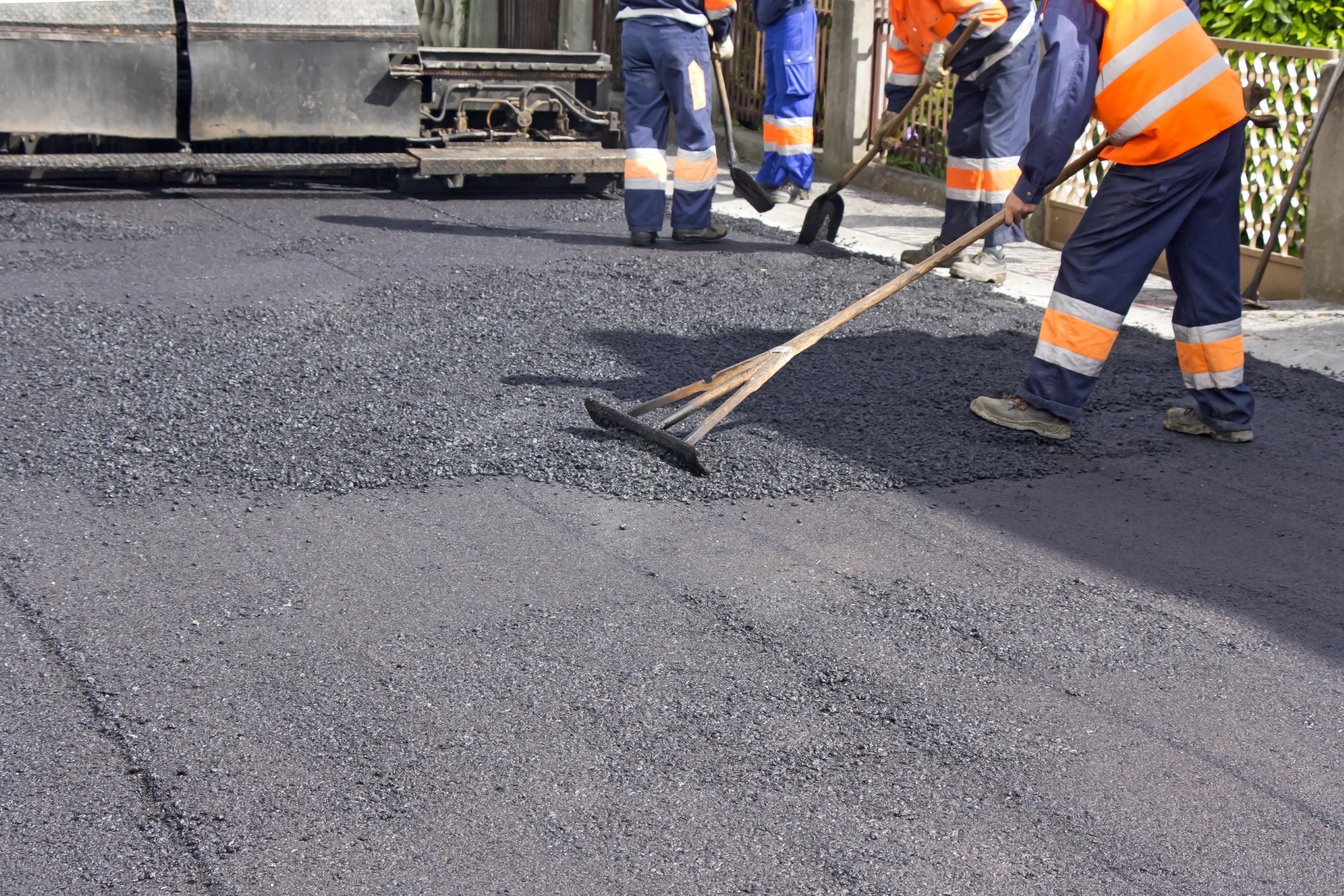
Industrial Asphalt has a single mission: complete customer satisfaction! We strongly believe in giving our customers the most for their money. We work with only the highest quality materials and experienced professionals. With over 25 years of experience, we have consistently focused on the needs of our customers, providing personalized attention and a stress free experience. This approach has set us apart from our competition and keeps our customers coming back! Give us a call today!
The decision to repair or replace your driveway depends on the extent of the damage. If your driveway has a few small cracks, a simple repair will do the trick. If you see larger cracks and potholes, it may be time to consider resurfacing or replacement. Resurfacing is a great option if more than 25% of the surface is damaged, but if the damage is extensive—deep cracks or significant sinking—it’s best to replace the driveway entirely. A new driveway, with proper care, can last decades while patching or resurfacing might only hold up for a few years before needing more attention.
When asphalt cures, it typically changes from a very dark black hue to a lighter, more matte gray color. Cured asphalt also won’t be tacky or sticky to the touch or emit any odors from the asphalt mix. Additionally, the surface of fully cured asphalt won’t deform under any pressure.
DIY is not recommended due to equipment and expertise requirements. Professional services ensure durability and proper grading.
If you notice minor cosmetic problems with your driveway, you should seal it. Look out for cracks and holes on the surface, faded asphalt or concrete, and stains from oil and other chemicals. Replacing your driveway may be necessary if you’re dealing with significant problems—¼-inch cracks, large potholes, and puddles from drainage issues. The cost to install an asphalt driveway typically ranges between $4,200 and $9,000, significantly more than resealing. Consider talking to a professional to discuss whether resurfacing your driveway—a midway project between resealing and replacing—is a better option for you.
The cost to pour a driveway apron depends on the material and size. Concrete costs $3 to $10 per square foot, asphalt ranges from $2 to $5, and pavers are $5 to $15 per square foot. Additional expenses, like excavation, base material, and labor, can increase the total cost. For example, a standard 12x15-foot concrete apron could cost between $540 and $1,800, depending on local rates and additional work required. Always consult a local driveway paving contractor to get an accurate estimate tailored to your project.
The Spearman, TX homeowners’ guide to asphalt driveway services
From average costs to expert advice, get all the answers you need to get your job done.
Adding a new asphalt driveway to your home can boost its overall appearance and give homeowners a nice ROI down the line. But how long do asphalt driveways last, and what can you do to maximize their lifespans? Read this guide to find out.