








Top-rated sonic cleaning pros.

Get matched with top sonic cleaning pros in Slaton, TX

Enter your zip and get matched with up to 5 pros

Need a pro for your sonic cleaning project in Slaton, TX?

Select your specific project to find the pro for you.

TRUSTED BY SLATON, TX HOMEOWNERS

  • Average homeowner rating star icon4.6
    Average homeowner rating
  • Verified reviews icon22
    Verified sonic cleaning services reviews

Find Sonic cleaning pros in Slaton

Connie's Clean Up
New to Angi

Serving Slaton, TX and surrounding areas

Approved

In business since 2008

Free estimates

Credit card accepted

Connie's Clean Up is committed to excellence in every aspect of our business. We uphold a standard of integrity bound by fairness, honesty, and personal responsibility. Our distinction is the quality of service we bring to our customers. Accurate knowledge of our trade combined with ability is what makes us true professionals. Above all, we are watchful of our customers' interests and make their concerns the basis of our business.

Response time2 days
GriffinsGrimeAwaySolutions
New to Angi

Serving Slaton, TX and surrounding areas

Approved

Free estimates

Emergency services offered

Small jobs welcome

Hi, I’m KaiCee, and I’ve been cleaning hones since I was 15 years old. Over the years, I’ve developed a meticulous, organized approach, and now, alongside my mom, we bring that same care and flexibility to every home we clean. Whether you need deep cleans, regular maintenance, or organizing help, we take pride in trust, detail, and a personalized touch. We can cover all of Lubbock and some outside of Lubbock.

Bathtub cleaning
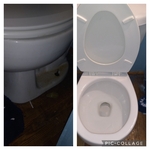
Toilet cleaning
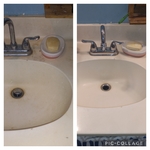
Bathroom counter
Bedroom cleaning
...
Showing 1-10 of 155
Sonic Cleaning questions, answered by experts

You should avoid using a pressure washer on any surface or item that could be damaged by the high-pressure spray, as some materials are too delicate to withstand the force.

Key items and surfaces to avoid include:

  • Electrical Components: Never pressure wash electrical systems, as water can cause short-circuits and create a safety hazard. This includes utility meters, breaker boxes, electrical outlets, generators, and HVAC or air conditioner units.

  • Delicate and Fragile Materials: Fragile items can crack, shatter, or be stripped by the pressure. Avoid pressure washing windows, glass, light fixtures, shingled roofs (especially asphalt), and stucco.

  • Painted, Stained, or Sealed Surfaces: Unless your goal is to strip the finish, do not pressure wash painted surfaces, stained wood (like decks), or anything with a protective seal that could be stripped away. Be especially cautious with older surfaces that may contain lead paint.

  • Soft Woods and Certain Decking: Delicate surfaces like softwood, composite decking, and antique or wooden patio furniture can be etched or damaged. If you must wash wood, use a lower-powered pressure washer with a wide-angle nozzle to prevent damage.

  • Living Things: Never use a pressure washer on people, pets, or plants. The force can cause serious injury and will destroy landscaping.

Generally, snow removal from a roof should occur once over six inches of snow accumulates, especially if you notice that ice dams have formed. Without ice dams, you can let the snow accumulation hit 12 inches before removing it. However, the amount of snow that is too much for your roof also depends on the sturdiness of your roof and the compactness of the snow. If your roof needs maintenance or has structural issues, it’s best not to let the snow accumulate too much for fear of collapsing.

Both bleach and vinegar are effective at killing and removing moss from surfaces like driveways. Bleach tends to have a longer-lasting effect, potentially keeping moss away for up to a year, whereas vinegar may require more frequent applications. However, vinegar is a non-chemical option that is gentler on the environment. A key consideration is the surface you are treating, as both substances can stain or discolor certain paver materials. It is recommended to test the solution on a small, inconspicuous area first to ensure it doesn't cause damage.

Regular cleaning, promptly repairing minor issues, ensuring proper drainage, and using rust-resistant coatings help prevent recurring damage.

The best time of year for roof cleaning depends on your local climate, but generally, late spring, summer, or early autumn are ideal. Plan to clean your roof on a day with dry weather and moderate temperatures.

Late spring and early summer are excellent for cleaning off grime accumulated after a snowy winter or wet spring. Summer often provides the necessary dry conditions, though in very hot climates, late spring may be more comfortable. Alternatively, cleaning in late autumn can clear away debris like leaves and branches before winter.

Avoid cleaning your roof when it is cold enough for water to freeze, as this can cause dangerous ice buildup.

The Slaton, TX homeowners’ guide to sonic cleaning services

From average costs to expert advice, get all the answers you need to get your job done.