



Top-rated excavation pros.

Get matched with top excavation pros in Shiner, TX

Enter your zip and get matched with up to 5 pros

Need a pro for your excavation project in Shiner, TX?

Select your specific project to find the pro for you.

Find Excavation pros in Shiner

Avatar for First Shot Land Services
First Shot Land Services
5.0(
3
)
Building Site - Preparation and ClearingBuilding Site - Preparation and Clearing - For BusinessLandscape - Minor Grading or Resloping

Serving Shiner, TX and surrounding areas

Approved

Super Service Award Winner

In business since 2012

Free estimates

Emergency services offered

"Sure! Here’s a professional and positive review for a tree removal service—you can adjust the tone or add specifics (like company name, location, or type of tree) if you’d like: ⸻ ⭐️⭐️⭐️⭐️⭐️ Excellent Tree Removal Service! We hired this company for tree removal, and the experience was outstanding from start to finish. They were professional, punctual, and clearly knew what they were doing. The crew worked quickly and safely, and they took great care to avoid damaging the surrounding property. Clean-up was thorough—by the time they left, you’d never know there was ever a tree there! Their pricing was fair, and communication was excellent throughout the process. Highly recommend for anyone needing reliable tree removal."
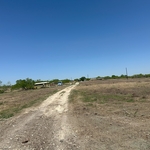
Land Clearing
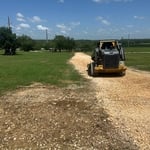
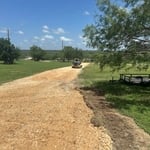
Packing in Road
Packing in Road
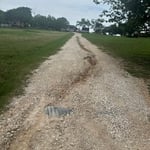
Original road
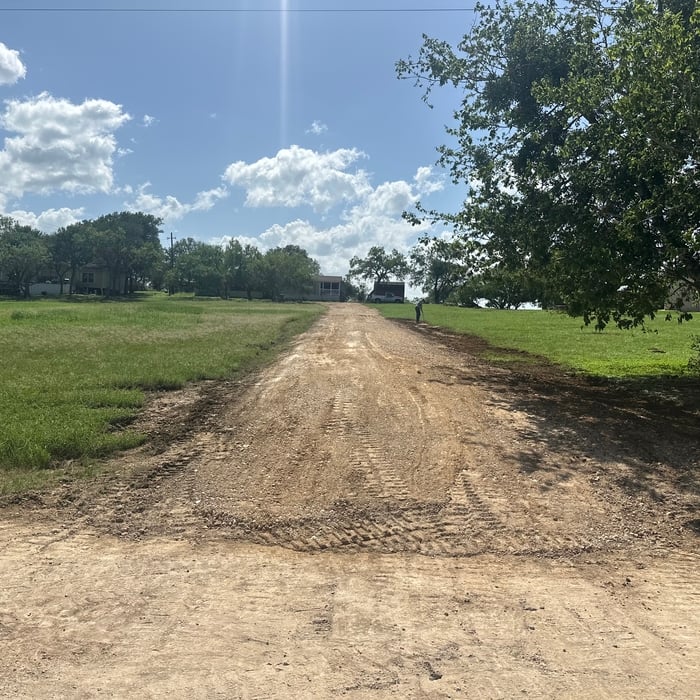
Grading

+1

Response time1 day
1 neighbors recently requested a quote

Over The Top Land Clearing
4.2(
6
)
Building Site - Preparation and ClearingExcavation - Major Grading or ReslopingLandscape - Minor Grading or Resloping

Serving Shiner, TX and surrounding areas

Approved

In business since 2016

Free estimates

Credit card accepted

"I had never needed this kind of work so I didn't know what to expect. I was pleasantly surprised. The work was the highest quality and a more reasonable price than I had assumed. I'd give a higher score if I could."
Response time11 hrs
Recommended by100%of homeowners
Dustry Dragons
New to Angi
Building Site - Preparation and ClearingExcavation - Major Grading or Resloping

Serving Shiner, TX and surrounding areas

Approved

Hello! My name is Alejandra Mondragon, and together with my husband, we proudly own and operate Dusty Dragons, a small construction business based in Austin, Texas. We’re passionate about bringing quality craftsmanship and reliable service to every project we take on.\nWith over 4 years of carpentry experience, 4 years in concrete work, and 2 years in painting, my husband brings a strong foundation of skill and dedication to the job. We work as a team to provide exceptional care, attention to detail, and customer satisfaction on every project—big or small.\nWe’re currently taking on side jobs as we continue to grow our business and build lasting relationships with our clients. Whether you need help with carpentry, concrete, or painting, we’d love the opportunity to bring your project to life.\nBased in Austin, but willing to travel, Dusty Dragons is ready to help with your next project—done right, the first time.

...
Showing 1-10 of 69
Excavating questions, answered by experts

The physical constraints of hand-drilling a well limit the depth you can achieve. Manually digging with picks and shovels may only lead to shallow wells of up to 60 feet in depth. To reach greater depths, you need more specialized equipment. The diameter of your well and the tools you’re using will determine how far down you can dig.

Trenching and boring are two distinct methods for installing underground utilities. Trenching involves digging a channel using equipment like an excavator, trencher, backhoe, or shovel. While it is a simpler process, it causes significant disruption to the surface, landscaping, and surrounding ecosystems.

Boring, also known as directional boring, is a less invasive alternative that uses a drill to create a tunnel for utility lines without disturbing the surface. This method is more precise and is ideal for installations that need to go underneath buildings, roads, or bodies of water. Although boring is less disruptive, it is generally more expensive than trenching.

Trenches are typically 12 to 24 inches deep and 8 inches wide. However, the required depth depends on the specific project and local ordinances. For example, a French drain may need to be 18 inches deep, while a water pipe might require a depth of 24 inches and a drainage pipe 36 inches. Your city or county may have specific regulations, so it's wise to consult with an excavation professional to determine the correct depth for your project.

The best way to protect tree roots is to avoid the roots entirely by excavating outside the root radius of the tree. For nearby projects, it’s a good idea to construct a temporary retaining wall. But that’s not always possible, depending on the project and the root system. In these cases, consider using alternative equipment like an auger to tunnel under the ground.

Remember, tree roots can damage nearby cement foundations as they grow. If a tree is close enough to interfere with large excavations, it may be better to remove the tree than risk future problems.

How deep your septic system needs to be into the ground depends on several factors. In extremely cold environments, the tank needs to rest below the maximum frost line, which can be up to six or eight feet deep. The standard burying depth for most systems is between a few inches and four feet below ground level. Depth can also depend on the slope of the landscaping and other property variables. 

The Shiner, TX homeowners’ guide to excavation services

From average costs to expert advice, get all the answers you need to get your job done.