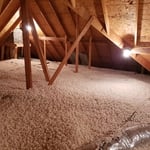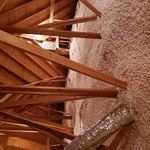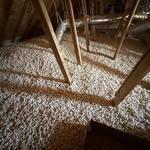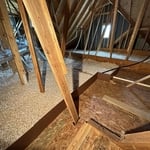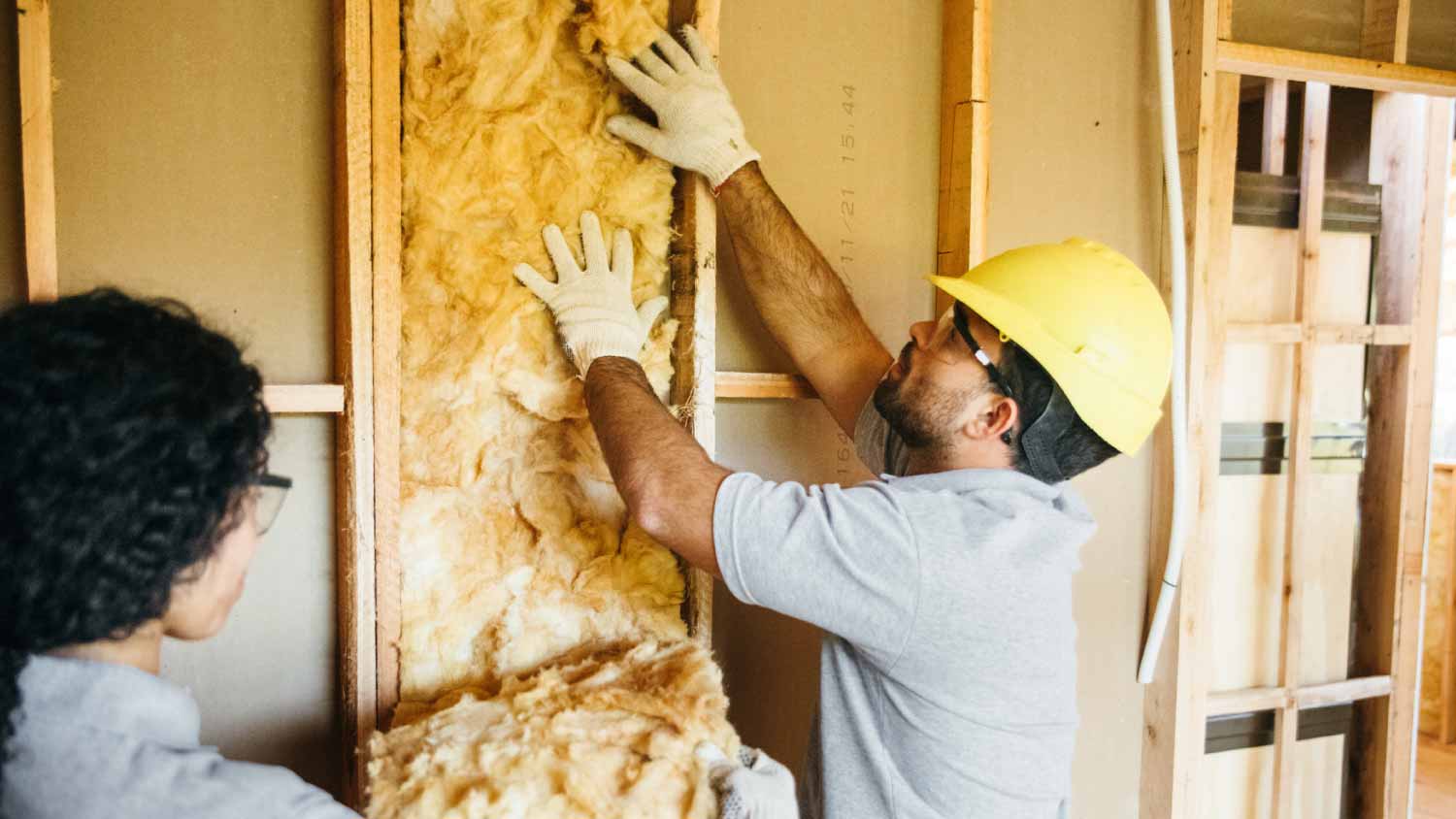




Top-rated drywall insulation pros.

Get matched with top drywall insulation pros in Rogers, TX

Enter your zip and get matched with up to 5 pros

Need a pro for your drywall insulation project in Rogers, TX?

Select your specific project to find the pro for you.

TRUSTED BY ROGERS, TX HOMEOWNERS

  • Average homeowner rating star icon4.5
    Average homeowner rating
  • Verified reviews icon36
    Verified drywall insulation services reviews

Find Drywall insulation pros in Rogers

Central Texas Retrofoam
New to Angi
Blown-In Insulation - Install or UpgradeInjection Insulation - Install

Serving Rogers, TX and surrounding areas

Approved

In business since 2021

Free estimates

Credit card accepted

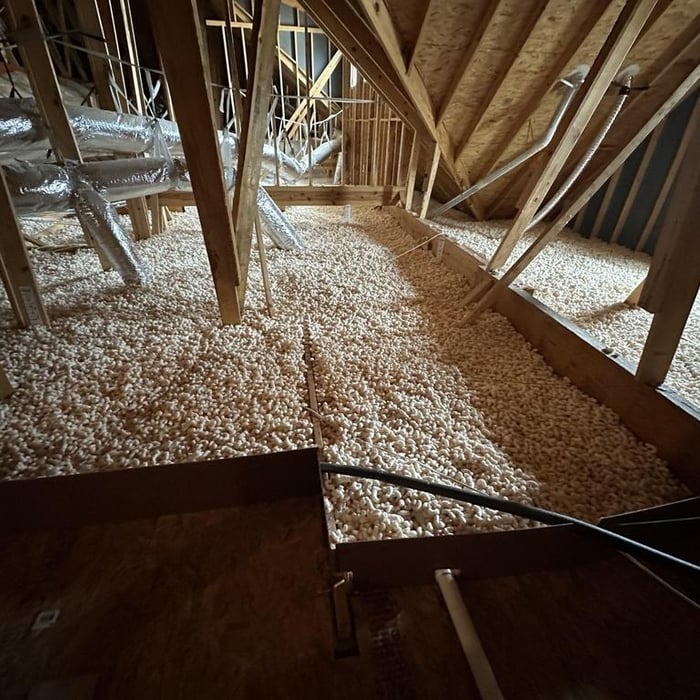
RetroFoam of Central Texas is an insulation contractor specializing in foam insulation for existing homes, including injection foam to insulate existing walls. In an effort to increase comfort and reduce high energy bills, RetroFoam of Central Texas helps homeowners improve their existing home's insulation without the hassle of a full remodel.

Response time3 days
Response rate88%
85 neighbors recently requested a quote
Be My Guest
5.0(
1
)
Injection Insulation - Install

Serving Rogers, TX and surrounding areas

Approved

In business since 2014

Free estimates

Credit card accepted

"I hired Be My Guest to do a yard clean-up for my house before it went on the market. I had contacted previous companies for estimates and received ridiculous quotes of $1100-1600 to clean my front and back yard which included trimming bushes and tree limbs, raking leaves and spreading mulch that I purchased. Fernando, the owner of Be My Guest, quoted me $300. Deal! As I shared my to-do list of projects to prepare my house to list, I found out that the companies abilities extended past yard work. I ended up hiring them for $1100 to clean the yard, paint the house and front door, replace the expansion boards in the driveway and walkway with cement, fix the cracks along the cement foundation from the house settling and paint the back porch, stain the cement floor/steps, paint the garage and stain the floor. I also ended up getting full sod for the back yard, which cost met $850 total including labor. Other companies were quoting me $1100-1300 for a back yard that is part of a .11 acre total property! The projects soon moved inside and I hired them the paint the baseboards and trim, paint one room, replace the flooring in the kitchen and bathrooms, fix laminate pieces in the current flooring and fix moulding at the top of my kitchen and bathroom closets. The work took over a week to complete and time for completion was underestimated a couple of times, but I was extremely pleased with the work overall. My house is now move-in ready and the realtors who visited said it looked like a model home. Exactly what I wanted! I have a list of projects to begin at the new house and have already scheduled Fernando to start next week, including yard work and new fencing that will be over 400 feet. I often get mistaken as a naive female who doesn't do her research on projects and costs and some contractors/owners I've contacted in the past to get estimates see dollar signs when I answer the door. Fernando didn't treat me that way and it put him above the others. I highly recommend Be My Guest and Fernando and his team. He was fair, open to changes or add-ons to your list without gouging you price wise and they do great work."
Response time2 days
Showing 1-10 of 44
Drywall Insulation questions, answered by experts

There are several benefits to wet-sanding drywall, but the main perk is that it produces far less dust than dry-sanding. As a result, wet-sanding poses fewer health risks and makes less of a mess in your home. Plus, damp sponges are less abrasive than sandpaper, so there’s a smaller chance of scratching or damaging the drywall paper. Wet-sanding also creates a smoother finish than dry-sanding.

It’s always better to follow proven drywall repair tips and fix the seams that look bad. However, if you simply want to make them less noticeable until you have time to fix them, you can use paint. A darker color of paint makes bad drywall tape seams less noticeable than light-colored paint. Matte paint hides bad seams better than glossy paint does, too.

Both plaster and drywall are durable wall finishes, but they differ significantly in installation, cost, performance, and aesthetics.

Installation & Cost: Drywall installation is faster and more affordable, typically costing $1.50 to $3 per square foot. It uses premade sheets, making it a more accessible DIY project. Plastering is a labor-intensive craft that requires specialized skills, pushing costs to $2 to $10 per square foot. It involves applying a wet paste over a lath framework.

Durability & Performance: Plaster is generally more durable, longer-lasting, and provides superior soundproofing. It is also a better insulator, which can help reduce energy costs. Drywall is easier to remove for future renovations.

Aesthetics: Drywall provides a smooth, uniform surface ready for paint or texture. Plaster offers a high-end, naturally textured look that can hide imperfections and is often preferred for achieving a classic or historic aesthetic.

Which is better? The choice depends on your priorities. Drywall is ideal for those prioritizing a lower upfront cost, faster installation, and DIY potential. Plaster is the better option for a higher-end project where durability, soundproofing, and a unique, premium finish are more important than the initial cost.

For maximum stability, install grab bars on wall studs, as this will adequately support the weight. However, if you don't have access to studs, you can get by with wall anchors. If opting for the latter, choose specialty hollow wall anchors. 

All plaster walls will crack over time due to normal house settling and expansion and contraction from temperature and moisture changes. Small, thin hairline cracks are generally not serious and are mostly a cosmetic issue. However, larger or more significant cracks can indicate structural problems.

Here's how to tell the difference:

  • Cosmetic Cracks: Cracks that are 0.5 cm (0.2 inches) or thinner are typically cosmetic.

  • Structural Cracks: Cracks wider than 0.5 cm, excessive or deep cracks, multiple cracks in the same area, or cracks that span around corners can signify a structural or foundation issue. Cracks along the joints where walls meet the ceiling also warrant attention.

For cracks wider than 0.5 cm, structural repair is needed. If a crack is 2.5 cm (1 inch) or wider, or if you notice any signs of a structural problem, it is best to contact a plaster repair professional to assess the damage.

The Rogers, TX homeowners’ guide to drywall insulation services

From average costs to expert advice, get all the answers you need to get your job done.