
Top-rated carpenters.

Get matched with top carpenters in Rockwall, TX

Enter your zip and get matched with up to 5 pros

TRUSTED BY ROCKWALL, TX HOMEOWNERS

  • Average homeowner rating star icon4.5
    Average homeowner rating
  • Verified reviews icon335
    Verified carpentry services reviews
Carpentry questions, answered by experts

You can choose 5/8-inch plywood or 3/4-inch plywood—anything thinner than these sizes may not withstand the impact of debris propelled by strong winds or can be easily torn off by intruders. Remember that the durability of the wood board is crucial, particularly for safeguarding your windows during severe storms. The effectiveness of using wood boards for protecting the investment you made in your home relies on using the appropriate material and ensuring proper installation.

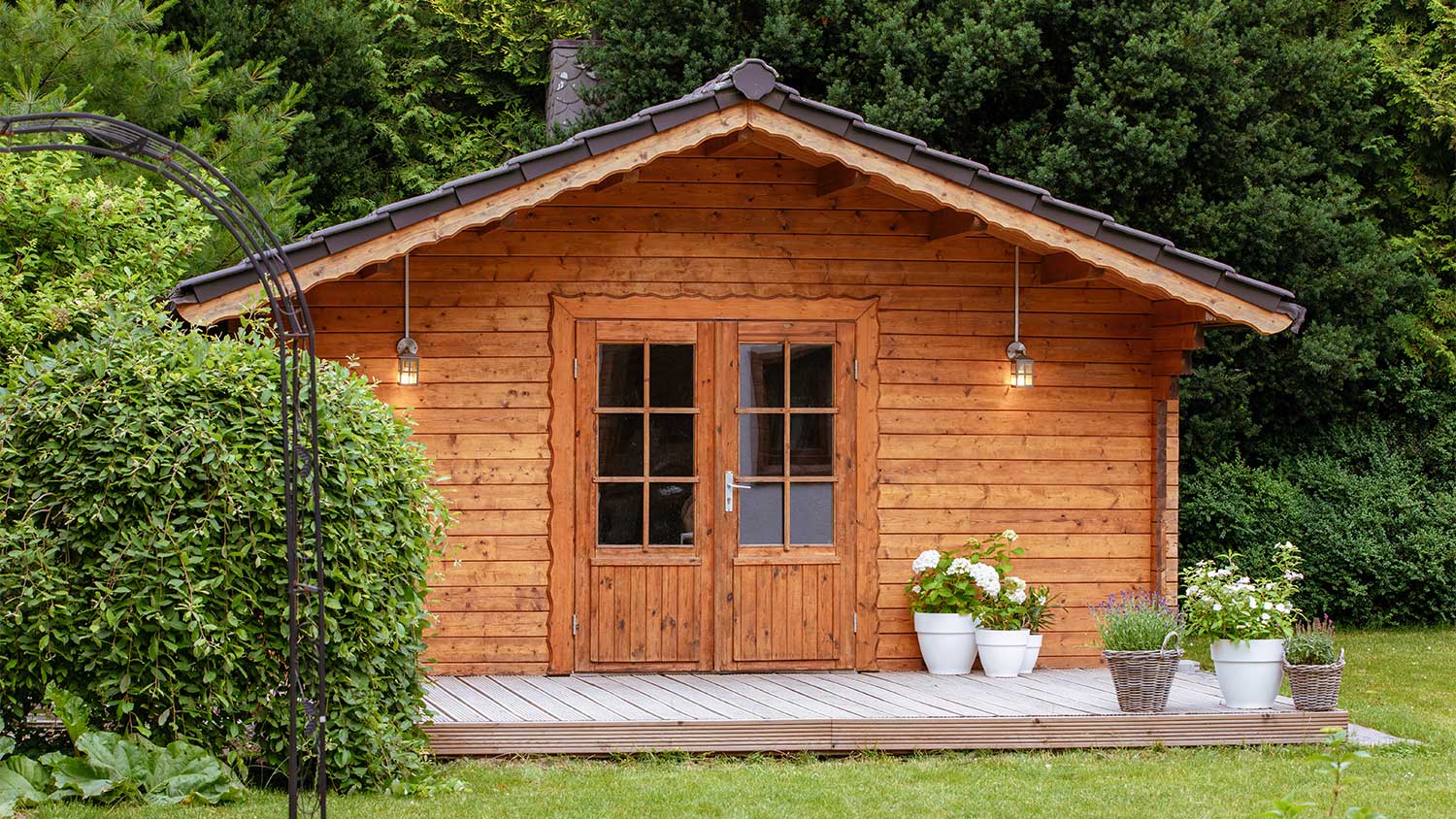
The cost to convert a carport into a garage averages about $22,000, ranging from about $15,000 and $55,000. Additional cost factors to consider include size, time of year, and how much of the carport you can reuse. Other cost factors include the kinds and amounts of materials used, such as:

  • Add insulation: $1 per square foot

  • Add drywall: $1–$3 per square foot

  • Add window: $450–$2,000 per window

  • Add outlets: $75–$500

  • Add garage door: $250–$11,200

  • Enclose framing: $5–$13 per square foot

  • Replace roofing: $1,000–$2,000

By careful planning and reinforcement to maintain structural integrity.

Most of the time, you’ll want to use screws on your subfloor rather than nails. Nails can actually weaken plywood, whereas screws can easily penetrate without damage. They also form a more secure connection because of their shape, preventing squeaky floors and tightly holding the subfloor in place. That said, some contractors do prefer nails depending on the type of floor covering because they allow for more flexibility.

Your local building code will list all the framing requirements for whatever type of structure you're building. Most exterior walls require spacing of 16 inches on-center, while many non-load-bearing interior walls only require 24 inches of spacing. However, there are also varying requirements depending on your construction material, so checking your municipality's rules is essential.