

•
Find out how much carpenters charge, including average rates, cost factors, and tips to help you budget for your next carpentry project.
Choosing whether to hire a journeyperson or master carpenter depends on the job type, project size, and your overall budget

A journeyman carpenter completes formal education and apprenticeship training, while a master carpenter brings over 10 years of specialized experience in carpentry work.
Journeyman carpenters cost about $35 per hour for your project, while master carpenters charge around $125 per hour for more complex work.
Your choice between a journeyman and master carpenter depends on project size, complexity, budget, and whether you need specialized expertise or general carpentry skills.
Hiring a local carpentry professional provides reliable guidance on matching the right skill level to your project, keeping your budget and timeline on track.
Whether you're planning a new addition or upgrading your home’s interior with crown molding, carpentry projects can add significant value to your property. Both a journeyperson and a master carpenter are skilled pros capable of undertaking many carpentry tasks. To help you make the most informed hiring decision, check out our guide, which explains the key differences between each role.

The most notable difference between a journeyperson carpenter and a master carpenter is the years of experience they bring to the table. Both types of professionals have the knowledge and skills needed to perform most, if not all, types of carpentry work, including blueprint reading, building and erecting structures, cutting and shaping wood, completing home repairs, and installing windows and doors. In addition, they are adept with both hand tools and power tools.
Keep in mind that some carpenters may choose to specialize in a specific niche within this skilled trade to increase their earning potential. Plus, both types of pros are more likely to work under a general contractor or a carpentry company unless they are self-employed, insured, and bonded.
The path to becoming a journeyperson usually starts by completing a two- to four-year apprenticeship program from an accredited institution like a community college, vocational school, or sometimes even a union. A prospective journeyperson then will get real work experience as a carpenter's apprentice, helper, or laborer in a company where they learn the practical skills of the trade.
Once someone starts a journeyperson apprenticeship program, they will gain the necessary experience and skills through theoretical and practical lessons to perform all of the related duties that a carpenter handles. If a journeyperson earns a certificate through formal education (like a trade school), they can obtain a verification card from a union after learning the ins and outs of the trade. In the U.S., a person needs to have a high school degree and be at least 18-years old to start this type of program.
A journeyperson carpenter needs these skills to excel at their job:
Using woodworking and power tools: They’re masters of common tools such as screwdrivers, wrenches, tape measurers, and utility knives, plus welding tools or sanders.
Reading blueprints: They’ll know the common symbols, how to interpret lines and their types, and how to read a legend on the blueprint for the most accurate interpretation.
Construction safety: A journeyperson carpenter needs to adhere to the guidelines created by the Occupational Safety and Health Administration (OSHA) and ensure they operate safely each time. Proper safety training can also offer a greater understanding of construction safety.
Basic math skills: This includes measuring timber cuts, preparing cost estimates for customers or their employer, knowledge of fractions, conversions, and calculating volume.
Compared to a master electrician or a master plumber, there is no specific education, certification, or formal training to become a master carpenter. And because there is no education or certification for this title, anyone can technically call themselves a "master carpenter." That said, most skilled carpenters who describe themselves with such titles have at least 10 to 15 years of experience in the field. For someone to become a master carpenter, it is commonly accepted in the building industry that they first have to become a journeyperson and gain trade work experience.
A master carpenter can have many skills, including:
Precise measurements and cutting
Advanced woodworking skills and techniques
Tool mastery
Blueprint reading and interpretation
Understanding of different materials
Troubleshooting when there’s an issue with a design
Strong client communication skills
Formal education is required
Can provide proof of being a journeyperson
Has gained theoretical and in-the-field training
May be more affordable than hiring a master carpenter
May not be as experienced in all carpentry fields
Has more than 10 years of experience
Can work on very intricate projects
Well-versed in all carpentry work
Expertise in both rough and finish carpentry
No specific certification required
Higher project costs

Depending on your exact needs, one pro or the other may be a better fit for the job. Determining factors include the project size, budget, and type of work, especially since some tasks are a better fit for someone who is more experienced.
Most master carpenters have an average of 12 years of experience under their belts compared to a journeyperson. After completing their education and working on-site, a journeyperson usually has around five to seven years of trade experience.
Most project experience: Master carpenter
The cost to hire a master carpenter is more expensive than a journeyperson. The average hourly rate of a master carpenter is about $125. On the other hand, for a journeyperson, the cost per hour is around $35.
Most cost-effective: Journeyperson

When it comes to residential and commercial carpentry work, both a journeyperson and a master carpenter have the skills to take on projects in both industries. While a master carpenter has more experience in blueprints and large projects, a journeyperson is equally qualified to work in both fields. In the end, it comes down to the kind of contractor license they or their company has, since some may choose to only offer services for residential properties while others specialize in supporting commercial properties or both.
Best for residential and commercial work: Master carpenter and journeyperson
Suppose you have a bigger carpentry project, or it requires a more significant investment, such as an addition to your house. In that case, you may want to hire a master carpenter. The reason? A master carpenter will have more skills and experience working with and managing large projects.
Winner for large projects: Master carpenter
When you are considering hiring a carpenter for a small project—like building an interior wall and adding wooden shelves or built-ins—a local journeyperson carpenter will be more cost-effective.
Best for small projects: Journeyperson
Tip: For any contractor you want to hire, it is always a good idea to get multiple estimates. Be sure to ask family members or friends for recommendations, check out the carpenter's work samples, verify their credibility by asking for references, and review their online presence.
Incredible workers! Very skilled with the machinery, climbing, cutting, roping, and removal. Handled everything. Professionals!
 Hoffman Expert Tree Services
I m so impressed with Custom Paint Jobs LLC s craftsmanship. They truly care about quality.
 Custom Paint Jobs, LLC
Window Depot did an amazing job on my deck. I wasnt sure what I wanted to do, but their composite decking was affordable and will last a long time. I am excited to have family over, and I am no longer embarrassed by my backyard. Jeff and the ground crew were polite, respectful, and caring for...
 Window Depot USA of Central Ohio
Storms Mobile Welding was great to work with. They were prompt, professional and did an overall excellent job on the project. I highly recommend.
Great job...edging and pre clean up went well with a great job with seal coat. Friendly, efficient and professional.
 All Star Paving and Sealing
Great tree company, very professional and honest. Glad we found them, they had the best pricing
It was wonderful working with Yordy and his team. They were very professional and are experts in what they do. They have completed the work on time, with better quality and with in fairly reasonable price. We just started with backsplash work , but liking his work, we went on to provide...
 Flooring Solutions
The job went extremely well. Work was done as promised and the job came out better than expected due to Mr. Moyer's commitment to excellence and personal pride in providing the best work possible. He is one of those professionals who is not satisfied until the customer is completely happy...
 Pro Flooring
We needed to have a wall cabinet resized so that we could fit a larger refrigerator underneath. I removed the cabinet from the wall myself and brought it in, where Wally was able to resize it for me in his shop. The results were perfect: it's exactly the size that I asked for, and...
 Pioneer Woodworks
The work was almost completed when we gave the owner Tim Barton $400 as a downpayment to be put on his list for work in the future after we had new woodwork installed.The next day Mr. Barton had difficulty installing a door handle and took the position that it was broken before his employee...
 Above And Beyond Painting LLC
From average costs to expert advice, get all the answers you need to get your job done.
Find out how much carpenters charge, including average rates, cost factors, and tips to help you budget for your next carpentry project.
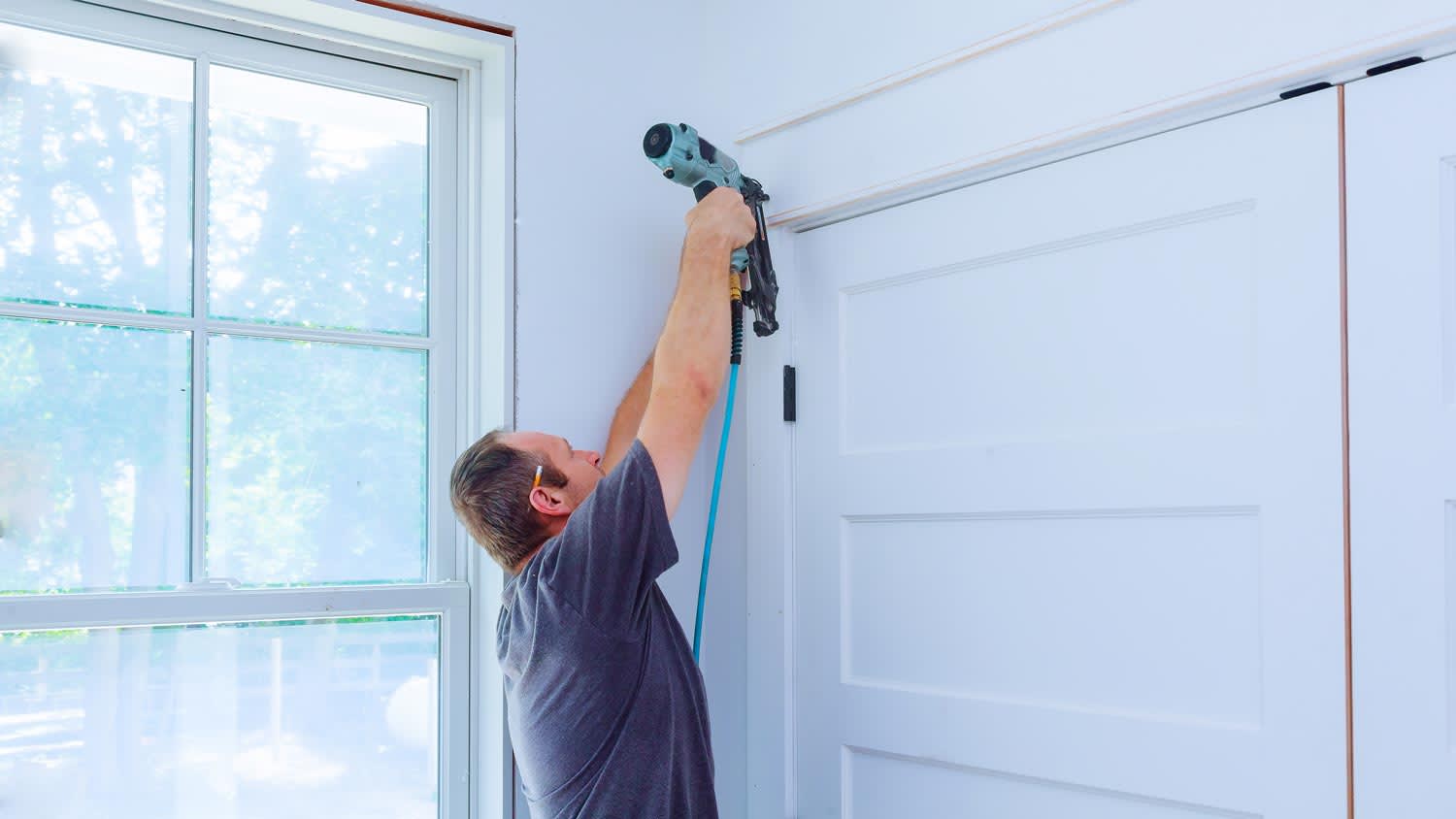
Discover the cost of widening a doorway, including average prices, key cost factors, and tips to help you budget for your project.

When comparing a carpenter vs. a contractor, the big differences are their roles on a project, when you hire them, and their rates. Learn more with this guide.

Finding the right plumber can make any home improvement project run more smoothly. Keep reading to learn how to find a plumber near you.

What levels of plumbers are there, and how do you know which one you need? See the training and experience requirements so you know who to hire for your next project.
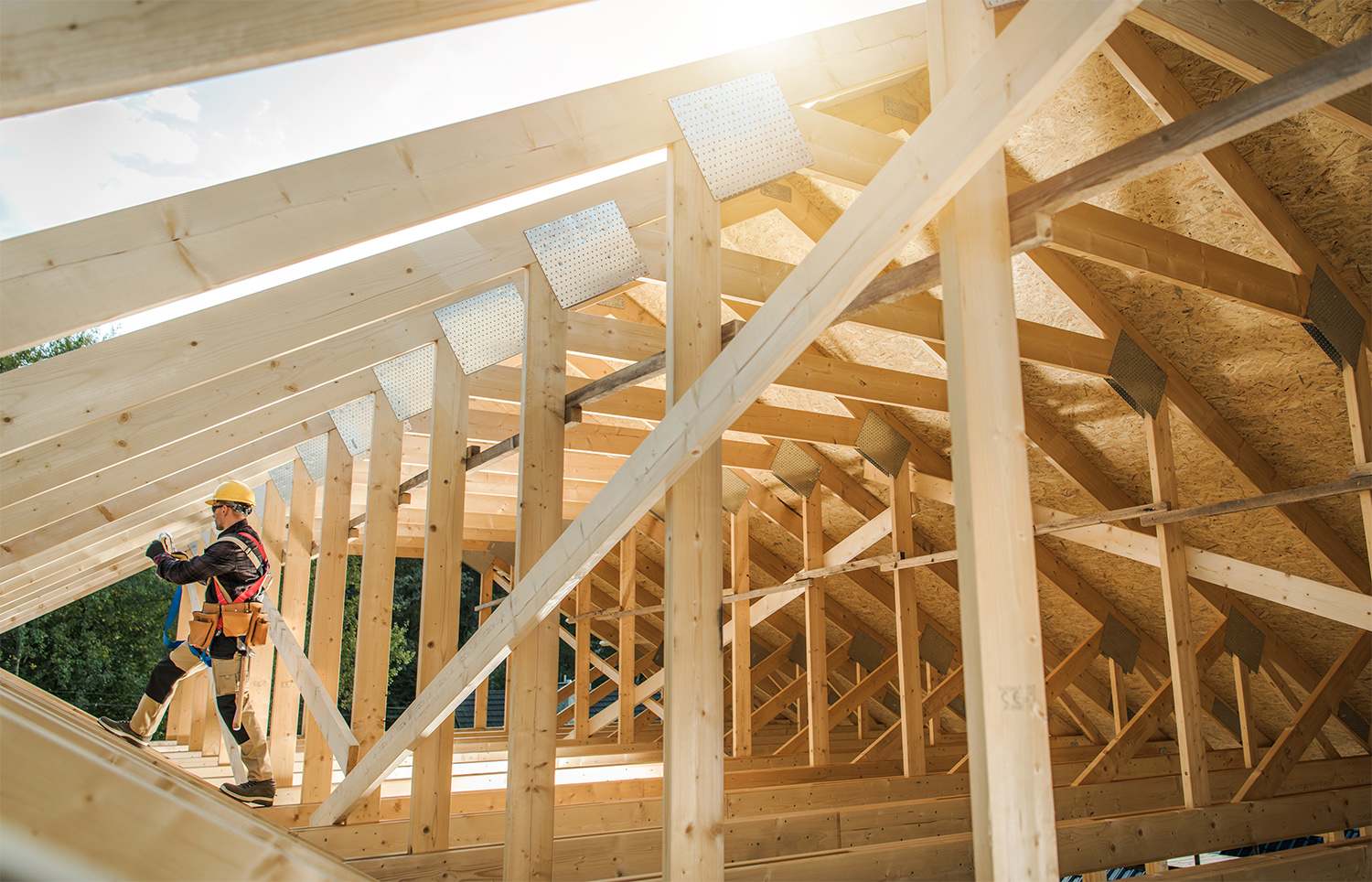
House framing is one of the first parts of building a home. To do this, you’ll want to hire a rough or unfinished carpenter. Using this guide, you’ll know what questions to ask and where to look for your house framing contractor.