



Top-rated tree service pros.

Get matched with top tree service pros in Rising Star, TX

Enter your zip and get matched with up to 5 pros

Need a pro for your tree service project in Rising Star, TX?

Select your specific project to find the pro for you.

TRUSTED BY RISING STAR, TX HOMEOWNERS

  • Average homeowner rating star icon4.6
    Average homeowner rating
  • Verified reviews icon11
    Verified tree services reviews

Find Tree service pros in Rising Star

Avatar for BW Insect Control and Tree Care
BW Insect Control and Tree Care
4.4(
73
)
Trees & Shrubs - Treat, Protect and MaintainTrees & Shrubs - Treat, Protect and Maintain - For Business

Serving Rising Star, TX and surrounding areas

Approved

In business since 1978

Customers say: True professional

"it's a bit pricey, but if my trees are saved it'll be worth every penny. Dr. Bob was incredibly nice and he knows his stuff. After 45 years in the business I would hope he does. Another plus? He didn't treat my questions as if I were stupid. They drove from Dallas TX to my home in deep east TX a drive of over 4 hours and that was all in one day. I would definitely recommend B&W Insect control and tree service!"
Response time4 hrs
8 neighbors recently requested a quote
Recommended by81%of homeowners

Avatar for Black Knuckle Ranch
Black Knuckle Ranch
New to Angi
Tree RemovalTree Stump - RemoveTree Removal - For Business+1 more

Serving Rising Star, TX and surrounding areas

Approved

Free estimates

Small jobs welcome

Credit card accepted

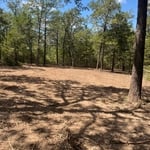
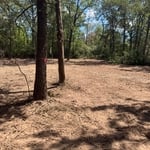
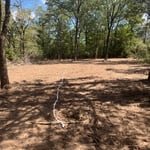
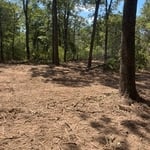
Black Knuckle Land Management provides professional land clearing and property improvement services for residential, ranch, farm, and commercial properties. We specialize in forestry mulching, brush and cedar removal, pasture and acreage mowing, fence-line clearing, right-of-way maintenance, lot clearing, and general property cleanup.\n\nUsing professional-grade equipment, we can reclaim overgrown property, clear unwanted trees and brush, open up trails and access roads, clean up fence lines, and turn neglected acreage back into usable land.\n\nWe pride ourselves on showing up when we say we will, communicating clearly, and leaving properties looking noticeably better when the job is finished. Whether you need a small lot cleaned up or multiple acres reclaimed, Black Knuckle Land Management has the equipment and experience to get it done.\n

Forestry Mulching
Forestry Mulching
Forestry Mulching
Forestry Mulching
7 neighbors recently requested a quote
...
Showing 1-10 of 67
Tree Service questions, answered by experts

While trees can grow in the curb strip between the sidewalk and the street, this placement often poses the problem of interfering with overhead power lines. It’s best to consult your local utility provider and tree planting service before transplanting a tree that might grow into power lines. Also, you should never work within 20 feet of a live power line to avoid the risk of electric shock. Tree branches should never touch nearby power lines, so it’s essential to ensure your tree isn’t in danger of growing too close to them.

Usually, trees cannot grow back after their stump has been ground, but some very hearty types of trees can. For example, if you have a black locust or Redford pear, the grinding will need to go deep to prevent them from growing back. Ask your tree service or stump removal expert whether your tree can resprout after its stump is ground down.

A serrated knife will work for cutting off small palm tree fronds, about 1 inch in diameter. For larger fronds, you will need pruning shears. You may also use a pruning saw, and if your palm tree is especially tall, an extended pole saw can help you reach the brown fronds around the trunk.

Some people prefer to leave or even carve a leftover stump, but we recommend removing it if possible. You can often dig out smaller trunks with a shovel once they have died and dried out. You can have stumps professionally removed, or request a service to grind them down to ground level so they can be replaced with other landscaping or objects.

The best time to transplant a tree is when it is dormant. For many trees, this means either in the fall after the leaves have dropped (around October or November) or in early spring before new growth begins (around March). The ideal timing can depend on the type of tree. Deciduous trees do well when moved in early spring or fall, while evergreens are best transplanted in early spring or late summer. For example, pine trees are best moved in early fall, but maples prefer late fall. Avoid transplanting in winter, as the frozen or hard, cold soil poses a significant risk to the roots and prevents the tree from acclimating properly.

The Rising Star, TX homeowners’ guide to tree services

From average costs to expert advice, get all the answers you need to get your job done.