





AAA utilities construction llc
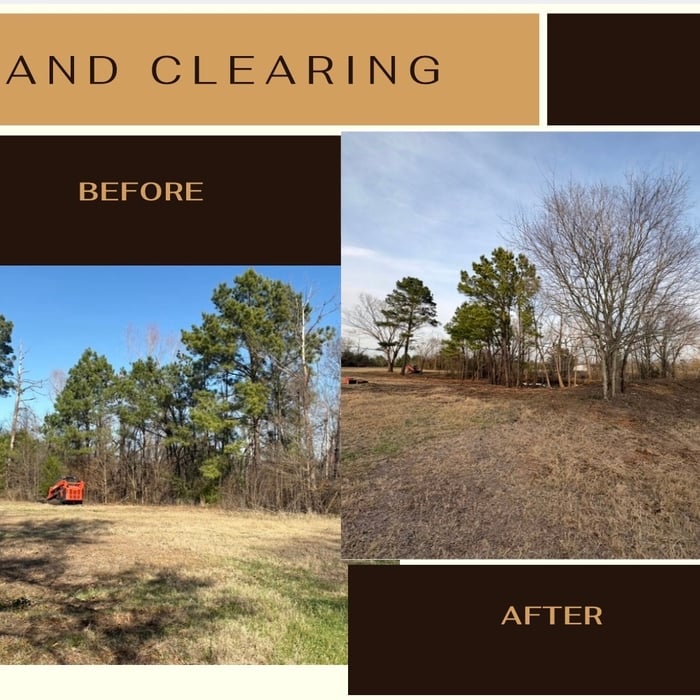
Building Site - Preparation and ClearingExcavation - Major Grading or Resloping
Serving Rio Bravo, TX and surrounding areas
Approved
All underground utilities

*The Angi rating for Excavation companies in Rio Bravo, TX is a rating based on verified reviews from our community of homeowners who have used these pros to meet their Excavation needs.
*The HomeAdvisor rating for Excavation companies in Rio Bravo, TX is a rating based on verified reviews from our community of homeowners who have used these pros to meet their Excavation needs.
Last update on December 18, 2025
Serving Rio Bravo, TX and surrounding areas
Approved
All underground utilities
Serving Rio Bravo, TX and surrounding areas
Approved
Getting the job done with a affordable rate
Serving Rio Bravo, TX and surrounding areas
Approved
In business since 2021
Free estimates
Offers commercial services
We are a locally owned and operated company that values honesty and integrity and treats your home as if it were our own. We offer a variety of General Contractor services that are customizable to each individual project. You will find us to be competitively priced, paying close attention to the details of each and every project that we are involved with. We look forward to building lasting relationships and guarantee your satisfaction!
Serving Rio Bravo, TX and surrounding areas
Approved
Free estimates
Emergency services offered
Small jobs welcome
Professional Junk Removal and Landscaping Services
Serving Rio Bravo, TX and surrounding areas
In business since 2018
Free estimates
"100 percent satisfied. they were professional and very friendly with good communication. They were on time, highly recommend, good people."
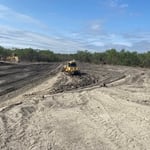
+29

Serving Rio Bravo, TX and surrounding areas
In business since 1969
Free estimates
Credit card accepted
"It was fine. It was what I requested"


+4
Serving Rio Bravo, TX and surrounding areas
In business since 2021
Free estimates
Credit card accepted
"They were on time and got the job done quickly and efficiently."
Serving Rio Bravo, TX and surrounding areas
In business since 2001
Free estimates
Warranties offered
"EXTREMELY HARD WORKING CREW. PAID ATTENTION TO MY CONCERNS. VERY COURTEOUS AND FRIENDLY,"
+1
Serving Rio Bravo, TX and surrounding areas
In business since 2004
Free estimates
"I wish everyone treated you the way he treated me."
From average costs to expert advice, get all the answers you need to get your job done.

Excavation costs $1,500 to $6,300 for most residential projects—but it depends on factors like the size of the area. This guide will help you plan a budget.

Preparing for a big excavation project in your yard? Find out excavator rental prices by type, project size, and more to budget for your project.

You can't have an in-ground pool without digging into the ground. How much does pool excavation cost, and can you take it on yourself? Our guide explains.

Can you excavate in the winter? Sometimes, but it’s complicated. Find out the pros, cons, and steps for planning a winter excavation project.

Discover what excavation is, the different types, and when it's needed in construction. Learn key insights for your next big home project.
Planning a backyard overhaul? Learn about grading and excavation costs, site preparation steps, and how to hire the right local pro for your project.