






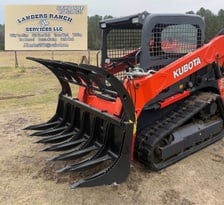
Landers Ranch Services
Building Site - Preparation and ClearingBuilding Site - Preparation and Clearing - For BusinessExcavation - Major Grading or Resloping+2 more
Serving Pecos, TX and surrounding areas

*The Angi rating for Excavation companies in Pecos, TX is a rating based on verified reviews from our community of homeowners who have used these pros to meet their Excavation needs.
*The HomeAdvisor rating for Excavation companies in Pecos, TX is a rating based on verified reviews from our community of homeowners who have used these pros to meet their Excavation needs.
Last update on June 23, 2025
Serving Pecos, TX and surrounding areas
In business since 2004
Free estimates
"I wish everyone treated you the way he treated me."
Serving Pecos, TX and surrounding areas
In business since 2017
Free estimates
"He did a good job,it was a fair price and I was happy with it."

Serving Pecos, TX and surrounding areas
In business since 2019
Free estimates
Emergency services offered
"The quality of work was good, quick, and they completed it correctly."

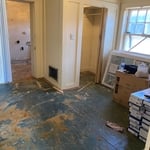

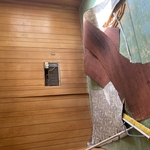
+12
Serving Pecos, TX and surrounding areas
In business since 2015
Free estimates
Emergency services offered
"Everything was on budget, on time, and exactly as they said it would be with solid communication through out the process"
Serving Pecos, TX and surrounding areas
In business since 2008
Free estimates
Emergency services offered
"The service went great. They were personable, honest and they respond to my questions. They were easy to work with and responsible."
+21
Serving Pecos, TX and surrounding areas
In business since 2020
Free estimates
Emergency services offered
"David's team is very conscientious about doing a satisfactory job. They completed their commitment and did a great job."

Serving Pecos, TX and surrounding areas
In business since 2018
Free estimates
"He is very trustworthy and does what he says he is going to do. They quality of his work is outstanding!"
Serving Pecos, TX and surrounding areas
Can You Dig It LLC (CYDI) provides dependable junk removal, trash hauling, property cleanouts, and debris removal for residential and commercial customers. With over 13 years in business and our own trucks and equipment, we can handle everything from furniture, appliances, and household junk to yard debris, rental property cleanouts, construction debris, and larger cleanup projects.\n\nWe pride ourselves on showing up, working efficiently, treating your property with respect, and leaving the area clean when the job is finished. No job is too small, and we have the equipment and experience to tackle the bigger jobs too. Contact CYDI for fast, professional service and a straightforward quote.

Serving Pecos, TX and surrounding areas
From average costs to expert advice, get all the answers you need to get your job done.

Preparing for a big excavation project in your yard? Find out excavator rental prices by type, project size, and more to budget for your project.

Excavation costs $1,500 to $6,300 for most residential projects—but it depends on factors like the size of the area. This guide will help you plan a budget.

You can't have an in-ground pool without digging into the ground. How much does pool excavation cost, and can you take it on yourself? Our guide explains.
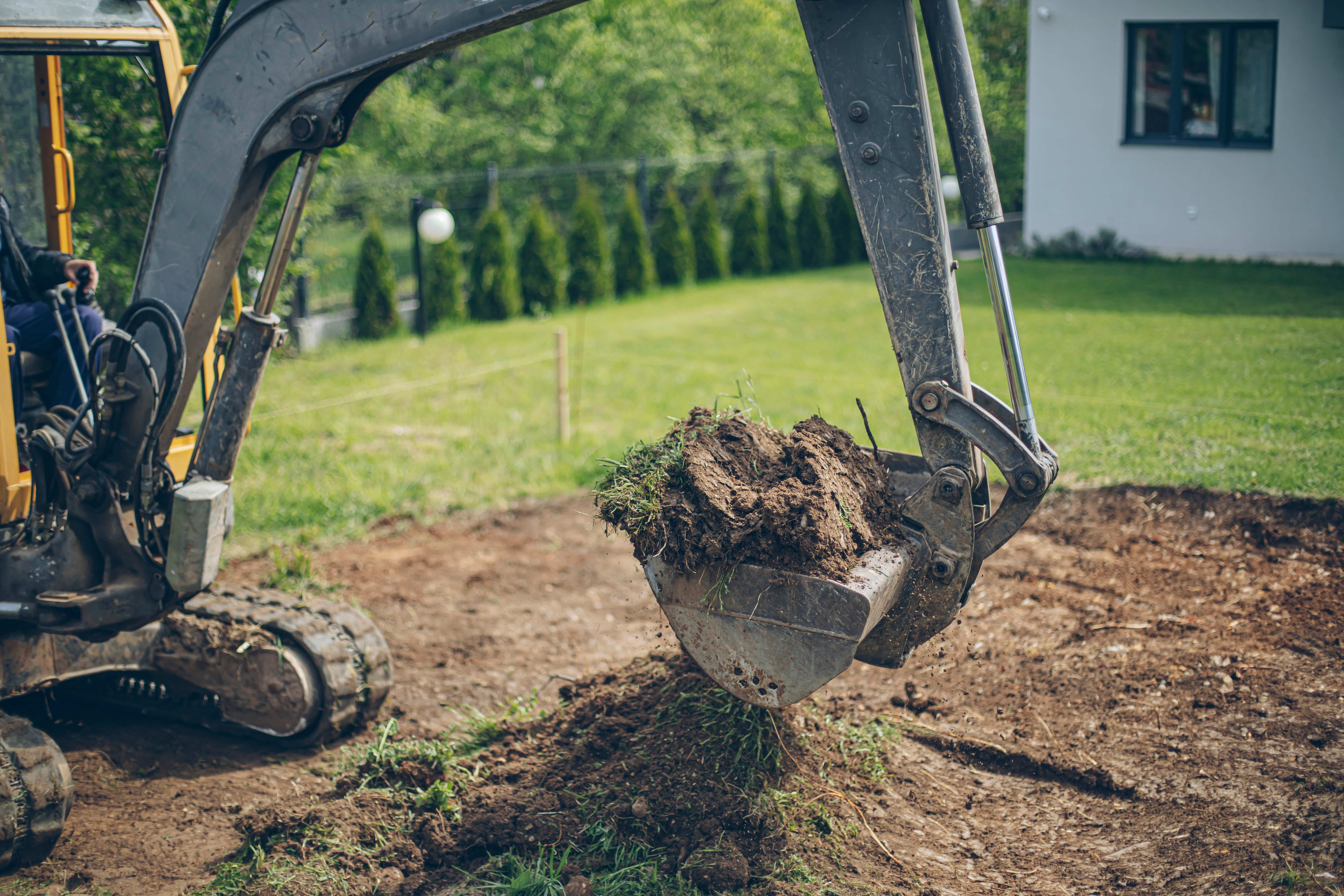
Picking the right pro can make or break your project. Learn how to hire an excavation pro with the qualifications and skillset to do the job efficiently.
Planning a backyard overhaul? Learn about grading and excavation costs, site preparation steps, and how to hire the right local pro for your project.

Discover what excavation is, the different types, and when it's needed in construction. Learn key insights for your next big home project.