







Landers Ranch Services
Building Site - Preparation and ClearingBuilding Site - Preparation and Clearing - For BusinessExcavation - Major Grading or Resloping+2 more
Serving Fort Davis, TX and surrounding areas
*The Angi rating for Excavation companies in Fort Davis, TX is a rating based on verified reviews from our community of homeowners who have used these pros to meet their Excavation needs.
*The HomeAdvisor rating for Excavation companies in Fort Davis, TX is a rating based on verified reviews from our community of homeowners who have used these pros to meet their Excavation needs.
Last update on November 18, 2026
Serving Fort Davis, TX and surrounding areas
Serving Fort Davis, TX and surrounding areas
In business since 2004
Free estimates
"I wish everyone treated you the way he treated me."
Serving Fort Davis, TX and surrounding areas
In business since 2017
Free estimates
"He did a good job,it was a fair price and I was happy with it."

Serving Fort Davis, TX and surrounding areas
In business since 2019
Free estimates
Emergency services offered
"The quality of work was good, quick, and they completed it correctly."

+12
Serving Fort Davis, TX and surrounding areas
In business since 2015
Free estimates
Emergency services offered
"Everything was on budget, on time, and exactly as they said it would be with solid communication through out the process"
Serving Fort Davis, TX and surrounding areas
In business since 2020
Free estimates
Emergency services offered
"They were quick, professional, very efficient and clean up everything after themselves."

Serving Fort Davis, TX and surrounding areas
In business since 2018
Free estimates
"He is very trustworthy and does what he says he is going to do. They quality of his work is outstanding!"

Serving Fort Davis, TX and surrounding areas
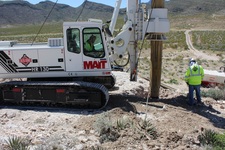
Serving Fort Davis, TX and surrounding areas
In business since 2015
Free estimates
Credit card accepted
Our mission at LB & Sons, is to perform for our customers the highest level of quality services at fair and competitive market prices, and to ensure the longevity of our company through repeat and referral business achieved by customer satisfaction in all areas; including timelines, attention to detail, and service-minded attitudes. Give us a call today!
Serving Fort Davis, TX and surrounding areas
In business since 2025
Free estimates
Credit card accepted
With over 7 years of experience, I take pride in my quality craftsmanship. We are owner operated, and believe in building long-term relationships with our clients by delivering honesty along with exceptional work. We pride our company on reliability, great communication, integrity, and customer service. We are experts in our trade and will do our best to keep you as educated as we can on your particular project. Give us a call today! We look forward to working with you!
From average costs to expert advice, get all the answers you need to get your job done.
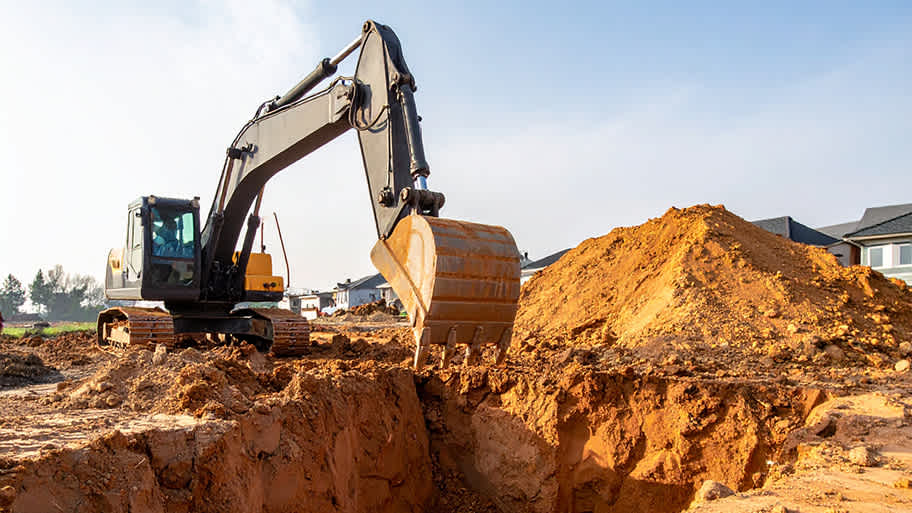
Excavation costs $1,500 to $6,300 for most residential projects—but it depends on factors like the size of the area. This guide will help you plan a budget.
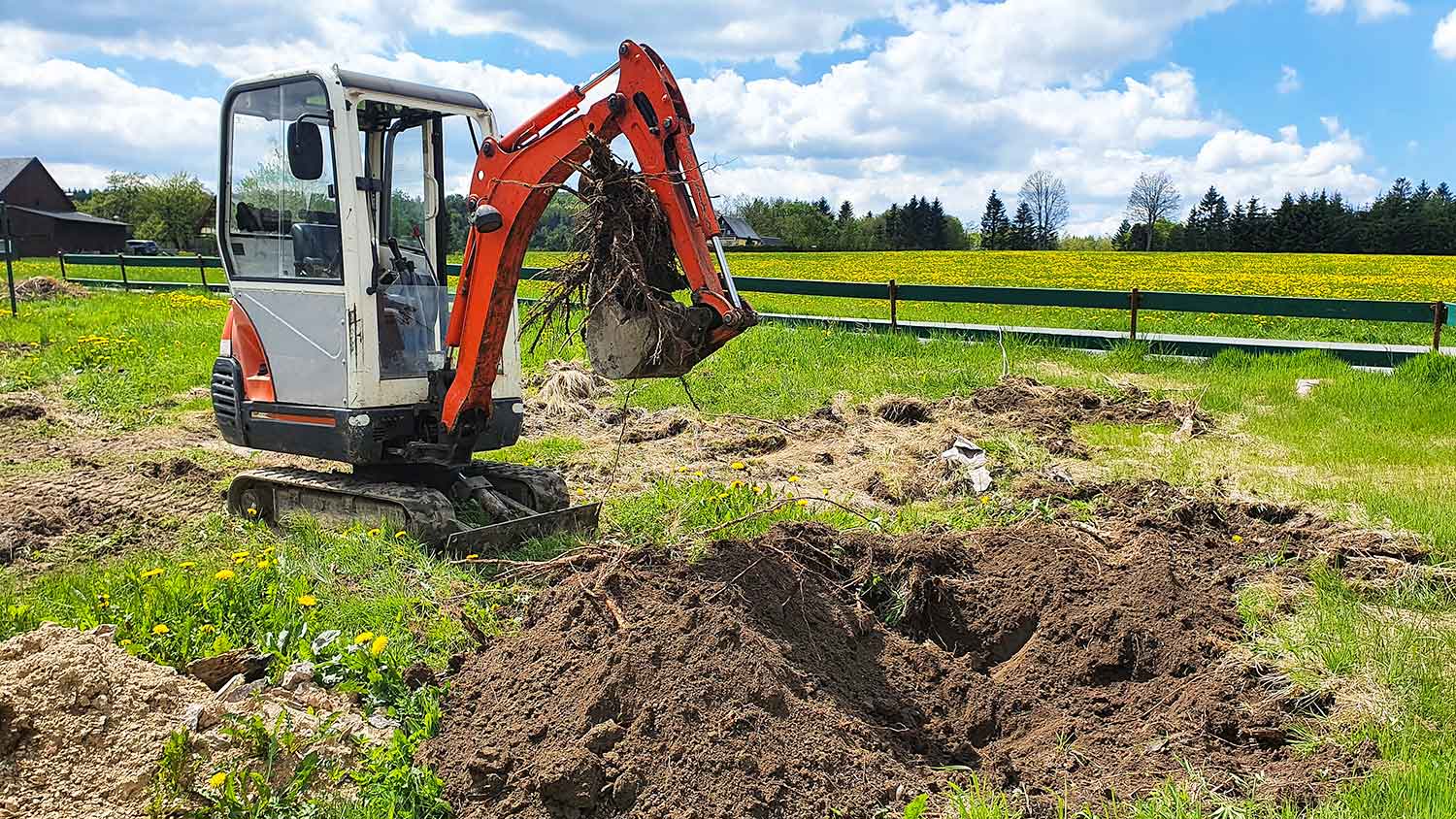
Preparing for a big excavation project in your yard? Find out excavator rental prices by type, project size, and more to budget for your project.

You can't have an in-ground pool without digging into the ground. How much does pool excavation cost, and can you take it on yourself? Our guide explains.
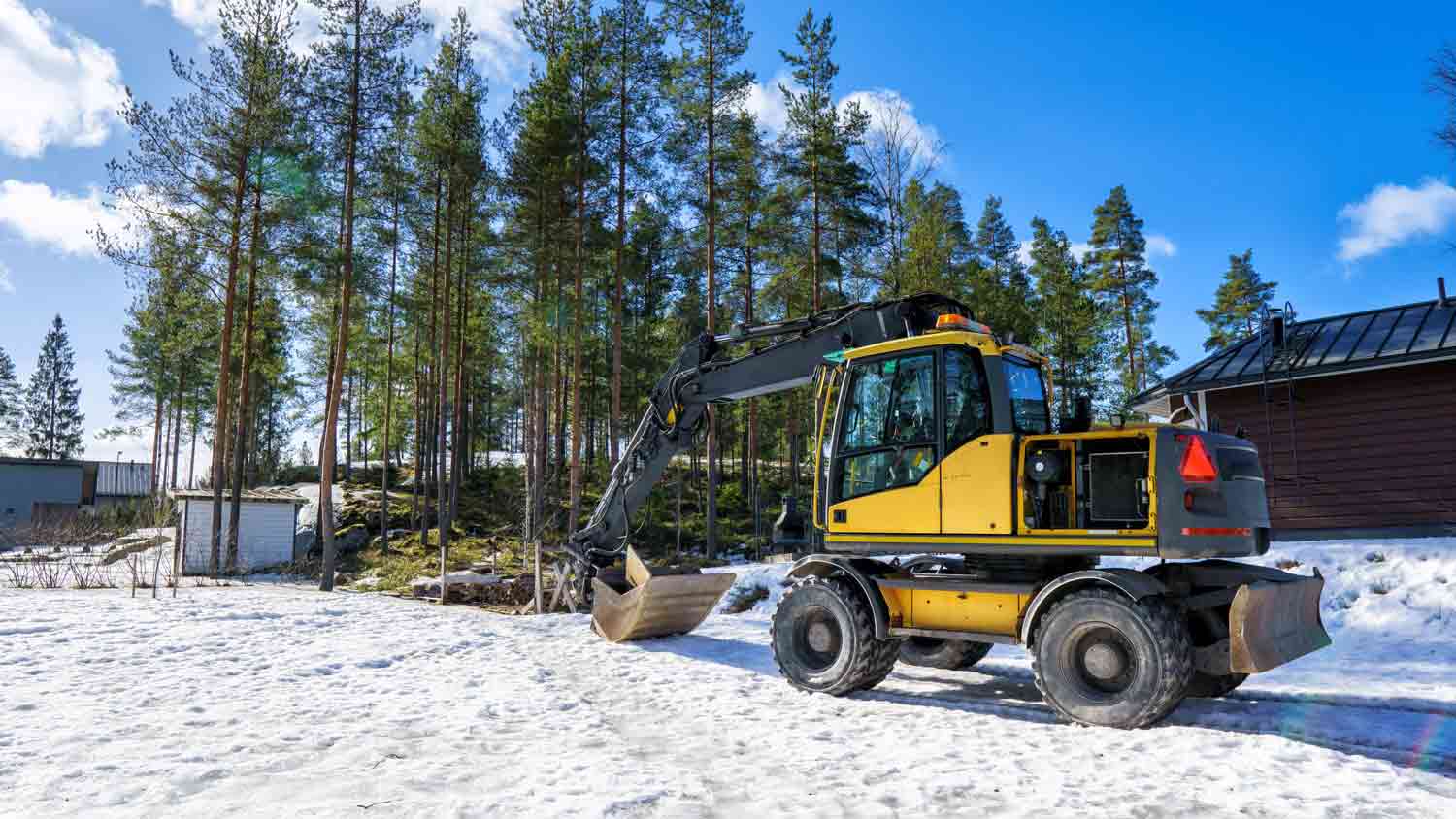
Can you excavate in the winter? Sometimes, but it’s complicated. Find out the pros, cons, and steps for planning a winter excavation project.
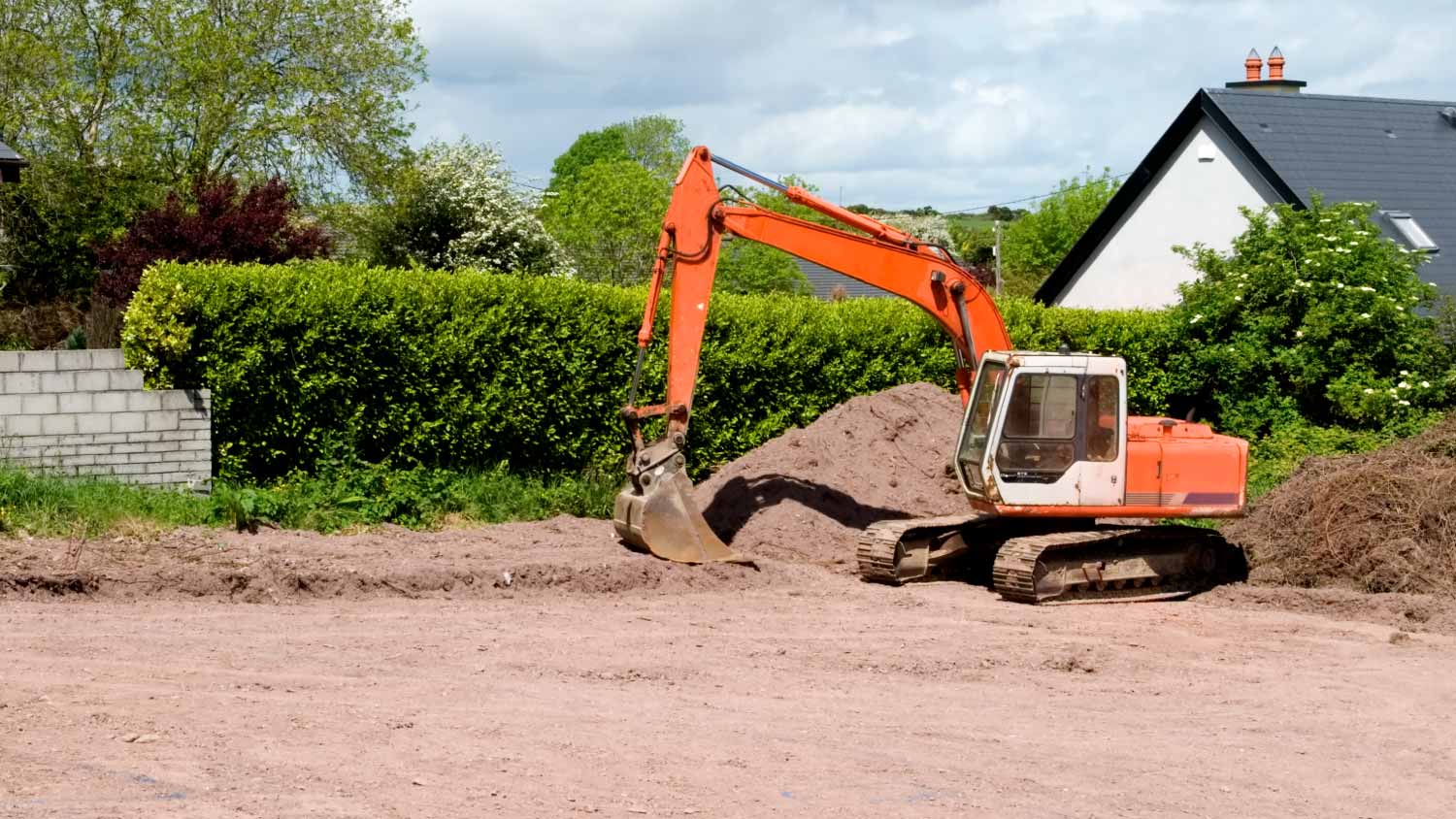
Discover what excavation is, the different types, and when it's needed in construction. Learn key insights for your next big home project.
Planning a backyard overhaul? Learn about grading and excavation costs, site preparation steps, and how to hire the right local pro for your project.