






Top-rated tree service pros.

Get matched with top tree service pros in Pecos, TX

Enter your zip and get matched with up to 5 pros

Need a pro for your tree service project in Pecos, TX?

Select your specific project to find the pro for you.

Find Tree service pros in Pecos

Avatar for Landers Ranch Services
Landers Ranch Services
5.0(
7
)

Serving Pecos, TX and surrounding areas

Approved

Customers say: Quick response

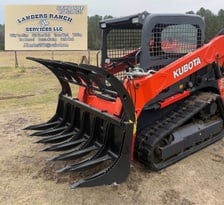
At Landers Ranch Services, we are a reputable excavation company located in Grimes County, TX. Serving the surrounding areas, we pride ourselves on delivering top-notch services to meet all our clients' excavation needs. With our skilled team and state-of-the-art equipment, we ensure efficient and reliable results for every project.

Bulkhead
Bulkhead
Bulkhead
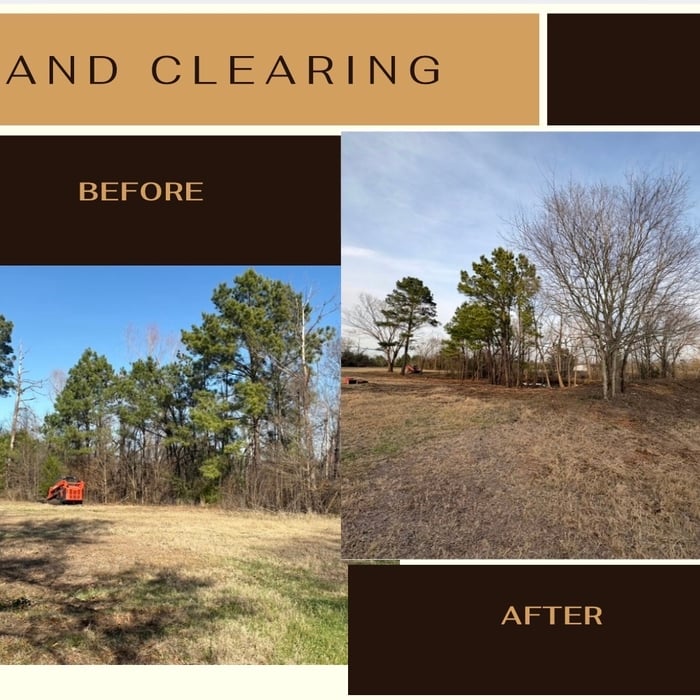
Land clearing
Land clearing

+10

1 neighbors recently requested a quote
Recommended by14%of homeowners
Showing 1-10 of 19
Tree Service questions, answered by experts

There are a few differences between tree guying and tree staking. Tree guying requires anchor stakes that are shorter and stronger than regular stakes and are driven deeper into the ground at an angle away from the tree. Tree staking uses longer stakes that are set parallel to the tree and are used for smaller trees. Consult a local tree professional to determine which method is best for your tree.

You may wonder whether tree removal is tax deductible: Tree removal is not tax-deductible for homeowners unless it's related to a federally declared disaster. In that case, the cost may qualify as a casualty loss. However, if you own a commercial property, like a rental home, tree removal could be deductible if it's necessary for safety, maintenance, or part of a larger capital improvement project, and you must hire a professional tree removal service and keep documentation. Always consult a tax professional beforehand to see if you qualify.

Trees aren't big fans of moving, and they do go into shock during a transplant. Although most carefully thought-out tree transplants see the tree recover from the shock just fine, there is always a risk of having an unsuccessful move. Proper preparation, timing, and diligent aftercare are crucial to minimize the risks when transplanting a tree.

Ideally, you’ll have a good enough relationship with your neighbors that you can kindly mention this task in regular conversation. However, every neighbor (and neighborhood) is different. Your best bet will always be to ask directly and nicely, offering to contribute to the tree trimming efforts if you’d like. However, if you are bothered by the tree and your neighbor is unwilling to cut it, you can involve the help of the homeowners’ association or local authorities, if applicable.

The best time to transplant a tree is when it is dormant. For many trees, this means either in the fall after the leaves have dropped (around October or November) or in early spring before new growth begins (around March). The ideal timing can depend on the type of tree. Deciduous trees do well when moved in early spring or fall, while evergreens are best transplanted in early spring or late summer. For example, pine trees are best moved in early fall, but maples prefer late fall. Avoid transplanting in winter, as the frozen or hard, cold soil poses a significant risk to the roots and prevents the tree from acclimating properly.

The Pecos, TX homeowners’ guide to tree services

From average costs to expert advice, get all the answers you need to get your job done.