



Top-rated excavation pros.

Get matched with top excavation pros in Monahans, TX

Enter your zip and get matched with up to 5 pros

Need a pro for your excavation project in Monahans, TX?

Select your specific project to find the pro for you.

Find Excavation pros in Monahans

Grisham Construction, LLC
5.0(
3
)

Serving Monahans, TX and surrounding areas

In business since 2022

Free estimates

Credit card accepted

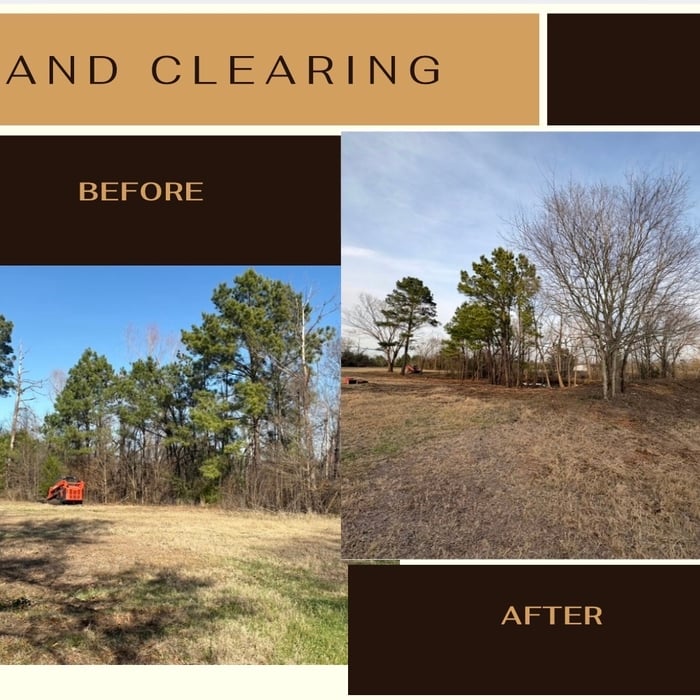
"These folks are the BEST. They arrived exactly when they said they would, worked diligently and quickly, were friendly and informative and did a spectacular job of wrangling an overgrown horse pasture. They were very careful, too, about the waterline in the field. This was the most pleasant experience Iâ ve had with hiring in Midland in a long, long time. Excellent service, excellent priceâ Iâ ll definitely be hiring them again. THANKS!"
Response time1 day
Response rate97%
Recommended by100%of homeowners
Showing 1-10 of 41
Excavating questions, answered by experts

There is no standard depth for burying a septic tank; they are typically buried anywhere from 4 inches to 4 feet underground. The final depth depends on several factors, including the depth of your main sewer line, the height of the bedrock, soil type, local regulations, and the property's landscape. If you plan to grow grass or plants over the tank, a depth of at least 4 to 6 inches is recommended. Deeper tanks can be more difficult to locate, but a septic professional can help find it for you.

Yes, you can excavate in the winter, but it might make the job harder. Frozen ground is harder to dig, and snow or ice can make the work site more hazardous. A contractor may need special equipment and techniques, such as ground-thawing methods, to break through frozen soil. Although winter excavation is possible, it may take longer and be more costly than excavating during warmer months.

Septic drain lines (or leach lines) are typically buried between 18 and 36 inches underground, and should be at least 6 inches below the surface. These pipes are perforated and surrounded by filtering materials like sand or gravel. Burying the lines at this depth helps minimize odors and allows bacteria and other biological processes in the soil to effectively treat the wastewater. Burying lines too close to the surface can cause issues unless the soil is very compact and stable.

Directional drilling is complex and requires training to use the advanced machinery. It can be challenging to monitor the position of the drill since there’s no direct line of sight. Directional drilling can also be more expensive with a cost of $10 to $30 per linear foot compared to $5 to $12 per linear foot for trenching. 

Trenches are typically 12 to 24 inches deep and 8 inches wide. However, the required depth depends on the specific project and local ordinances. For example, a French drain may need to be 18 inches deep, while a water pipe might require a depth of 24 inches and a drainage pipe 36 inches. Your city or county may have specific regulations, so it's wise to consult with an excavation professional to determine the correct depth for your project.

The Monahans, TX homeowners’ guide to excavation services

From average costs to expert advice, get all the answers you need to get your job done.