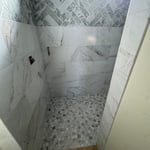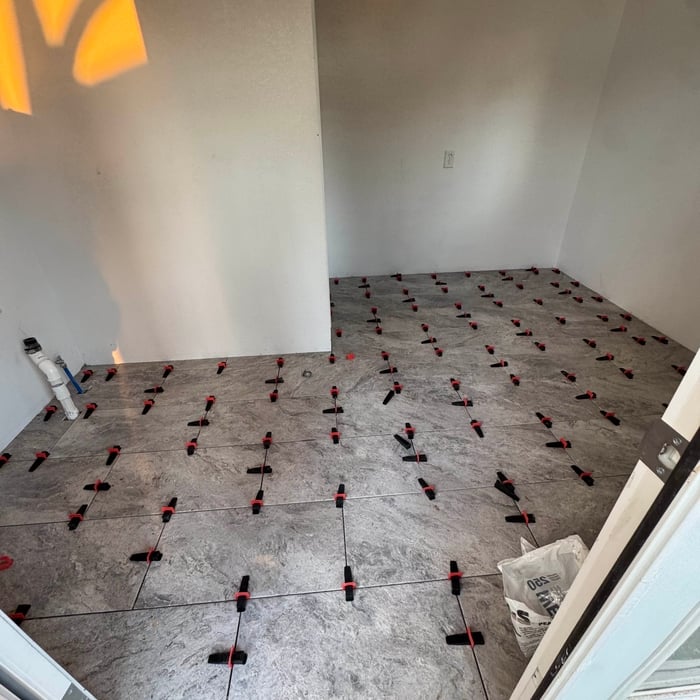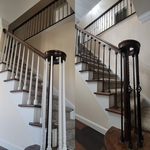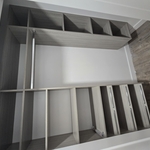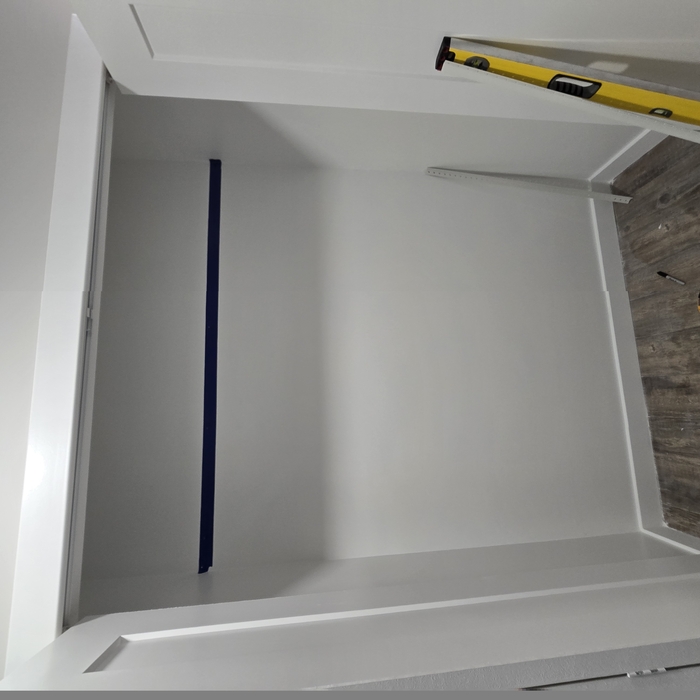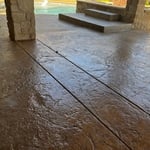








Top-rated ceramic tile pros.

Get matched with top ceramic tile pros in Lorenzo, TX

Enter your zip and get matched with up to 5 pros

Need a pro for your ceramic tile service project in Lorenzo, TX?

Select your specific project to find the pro for you.

Find Ceramic tile pros in Lorenzo

Jose Del Rio
New to Angi
Tile: Ceramic and Porcelain - InstallTile: Ceramic and Porcelain - Repair

Serving Lorenzo, TX and surrounding areas

In business since 2010

Free estimates

Del Rio Tile & Carpet, LLC is proud to be serving the area with expert services, with your satisfaction as our ultimate goal. With over 10 years of experience in our area of expertise, you can rest assured that your project will receive the high quality craftsmanship that only experience can bring. Call on us today, you will be glad you did!

Designer Tile Works
New to Angi
Tile: Ceramic and Porcelain - InstallTile: Ceramic and Porcelain - Install - For Business

Serving Lorenzo, TX and surrounding areas

In business since 1999

Free estimates

Offers commercial services

We pride our company on reliability, great communication, integrity, and quality work. We strongly believe in giving our absolute best in all the work we perform. We are experts and will always keep you educated about the work process. We look forward to earning your business.

...
Showing 1-10 of 69
Ceramic Tile questions, answered by experts

Porcelain is a relatively affordable, mid-range countertop material. It typically costs between $50 to $70 per square foot.

Compared to quartz, porcelain is slightly more affordable, as quartz generally ranges from $50 to $200 per square foot. However, lower-quality, builder's grade quartz can be similar in price to porcelain.

Compared to granite, the price can be similar, depending on the quality of the stone. While granite slabs can range from $50 to $200 per square foot, you can find lower-end granite in the same price range as porcelain. High-end granites will cost significantly more.

Porcelain is generally more expensive than laminate, acrylic, and ceramic, but less expensive than high-end slate, concrete, and marble. A key benefit is that porcelain does not require sealing, which reduces long-term maintenance costs.

When choosing between porcelain and ceramic tile, the best option depends on your specific needs, budget, and project application. Porcelain tile is generally more durable, denser, and harder than ceramic, making it a good choice for busy, high-traffic areas. It also offers superior moisture resistance, making it ideal for moisture-retaining spaces. However, porcelain is typically more expensive, and its hardness can make it brittle, potentially causing it to crack if a heavy object is dropped on it. In contrast, ceramic tile is a more budget-friendly option with lower material and installation costs. It is softer and easier to work with, making it a great choice for DIY projects. While not as durable as porcelain, ceramic is still a quality material suitable for many home applications, particularly small, decorative projects.

There are no unbreakable rules of design, but experts recommend against using large tiles in areas with poor subflooring where they’re more prone to cracking, in areas where the floor isn’t entirely level, over raised areas or dips, and in bathrooms where budget is the primary concern. The size of your bathroom shouldn’t be a reason not to use large tiles; in fact, larger tiles, also known as slab tiles, can be a modern and sleek choice for bathroom floors and walls.

There isn’t a one-size-fits-all best tile for a dog shower. Consider your budget, tile durability, aesthetics, and, most importantly, practicality. Avoid tiles your dog will slide around on. Pebbles are a great non-slip option, but are pricey and tricky to install. Glass might look modern, but it’s not scratch-resistant. Small, floor-rated ceramic or porcelain tiles are economical and have many grout lines that make the surface more slip-resistant. Pick a matte finish rather than a shiny tile if you want it to hide stray mud and hairs better.

Tile will almost always last longer than laminate flooring, regardless of the type of tile installed. Porcelain tile can last for 75 years or more with proper care, and even less durable ceramic tile will last for 60 years or more, provided they’re installed by a tile professional. On the other hand, laminate flooring has an average lifespan of around 20 years, and you might only get 10 to 15 years out of low-cost laminate flooring. As such, tile will add far more value to your home than laminate.

The Lorenzo, TX homeowners’ guide to ceramic tile services

From average costs to expert advice, get all the answers you need to get your job done.