


Top-rated insulation pros.

Best insulation pros near Lone Star, TX

Enter your zip and get matched with up to 5 pros

Need a pro for your insulation service project in Lone Star, TX?

Select your specific project to find the pro for you.

TRUSTED BY LONE STAR, TX HOMEOWNERS

  • Average homeowner rating star icon4.9
    Average homeowner rating
  • Verified reviews icon11
    Verified insulation services reviews

Top-Rated Insulation pros in Lone Star - Updated Nov 2026

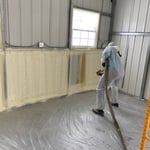
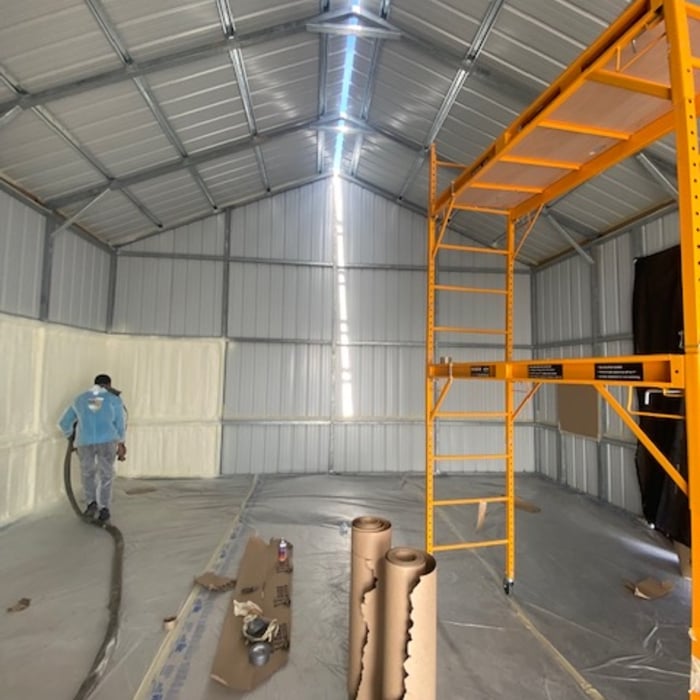
Tucker's ProFoam Insulation LLC
5.0(
2
)
Injection Insulation - InstallSpray Foam Insulation - Install

Serving Lone Star, TX and surrounding areas

In business since 2020

Free estimates

Credit card accepted

Tuckers ProFoam is a family and veteran owned company. Our professional goal is to save you the customer on high energy cost. As well as on foundation lifting. We also help you get tax credits up to $1200 back on your taxes In 2023 through a tax credit program from the government for cutting back on green house gasses. \n

Response time1 day
Response rate91%
Recommended by100%of homeowners
Avatar for ADT Solar
ADT Solar
4.4(
111
)
Batt, Rolled or Reflective Insulation - Install or UpgradeBlown-In Insulation - Install or UpgradeInjection Insulation - Install+2 more

Serving Lone Star, TX and surrounding areas

In business since 2008

Free estimates

Warranties offered

"We met with 3 different companies to advise on getting solar panels. The first 2 companies basically just told us what size system we could get based on state and federal tax rebate levels. Heard an advertisement for Sunpro on radio and decided to call them; turned out to be a good decision. Kara with Sunpro was extremely informative and had a nice package put together for us to review. She even researched our home and had an idea of how much production we could expect with the recommended solar panels. Even after selecting Sunpro, I called Kara with questions about things I'd heard from others or something I forgot to ask. I never felt like I was a burden and she always returned my calls if I had to leave a message. The complete team with Sunoro were professional and eager to help. Satisfied with new solar system and looking forward to enjoying savings on electric bills.
"
11 kW PV Installation
5 kW PV Installation
9.5 kW PV Installation
Recommended by89%of homeowners
Showing 1-10 of 18
Insulation FAQs, answered by experts

Bathroom wall insulation not only keeps the area temperate, but it also reduces instances of mold, mildew, and rot. Bathrooms, after all, are havens for moisture. With this in mind, it’s absolutely worth it to insulate bathroom walls since it saves money in the long run. You won’t have to hire a pricey mold remediation service down the line. Also, insulation decreases outdoor noise and lowers energy costs.

Bubble wrap is better for moving since it can be cut to size, whereas dish foam comes in precut sheets that are harder to manipulate. However, if you’re packing items like dishes, wine glasses, picture frames, or mirrors, dish foam will protect them better. Ensure you measure your box beforehand so you know what size dish foam to purchase. 

Reduces energy costs, improves comfort, and prevents ice dams in winter.

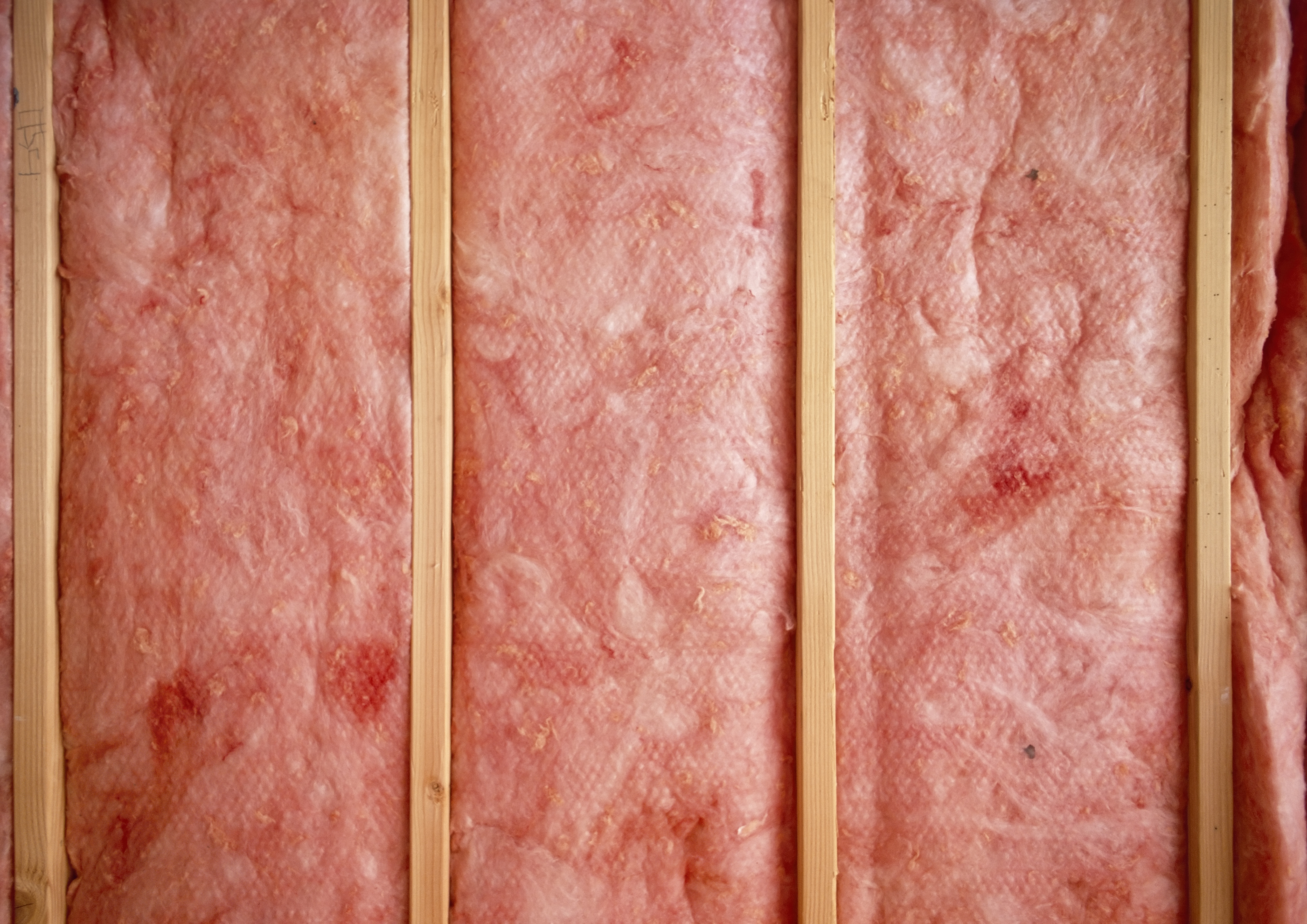
The most affordable way to insulate behind unfinished walls is to install fiberglass batts or rolls. These total around $0.75 per linear foot, with the width matching the gaps between standard studs perfectly. However, it’s important to consider the R-value of your insulation and the climate in your area, as fiberglass insulation isn’t the best in terms of preventing heat transfer. Plus, the most affordable option may cost more on electricity bills over time. The most affordable way to insulate behind finished walls is to leave them up and use blown-in insulation to avoid drywall replacement.

The R-value is a rating that measures an insulation's thermal resistance—in other words, how well it insulates. A higher R-value provides more protection for your pipes, and all pipe insulation materials should have an R-value listed on the product description or label. Each insulation type has its own R-value, which typically falls between one and five for most pipe insulation. When making a selection, Energy.gov recommends choosing a pipe wrap that is at least one inch thick, and the International Code Council (ICC) suggests choosing a material with an R-value of at least 3.

The Lone Star, TX homeowners’ guide to insulation services

From average costs to expert advice, get all the answers you need to get your job done.