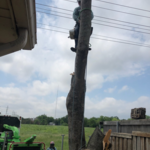
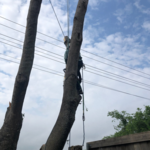
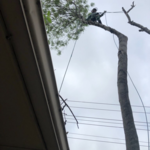
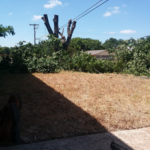
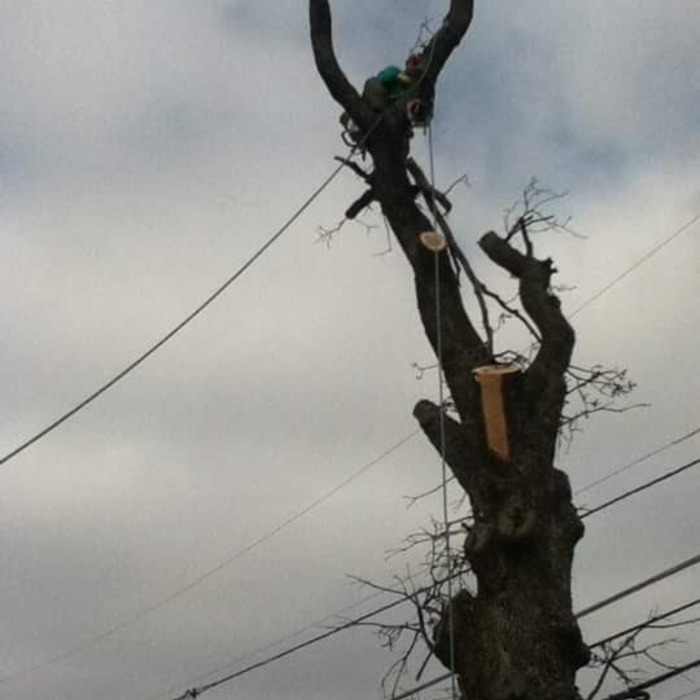
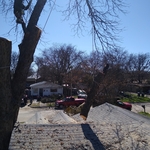
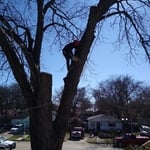
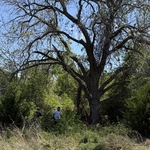
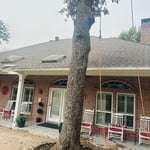
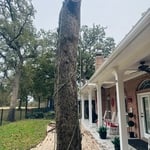
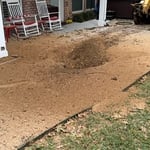
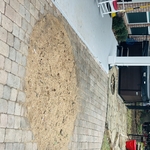
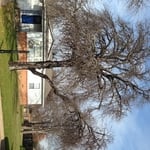
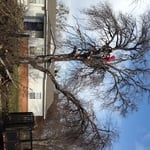
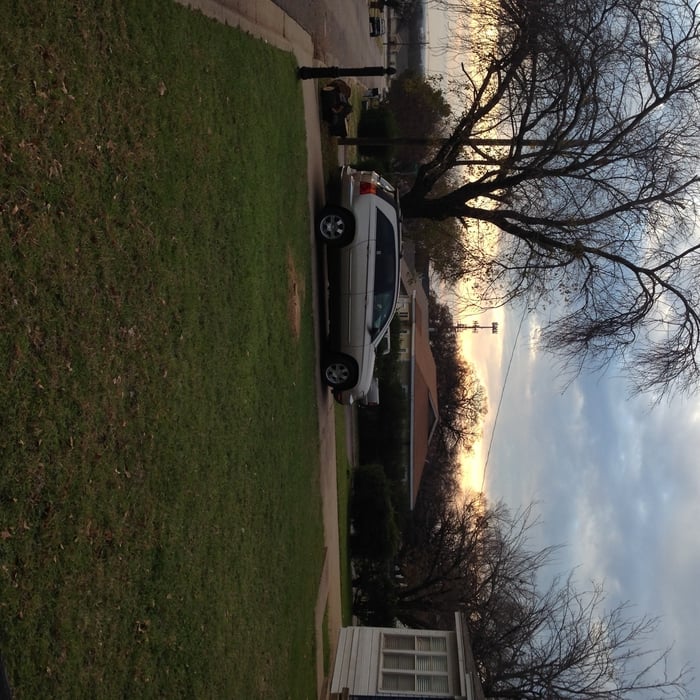
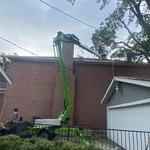
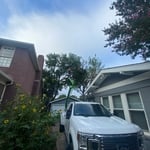
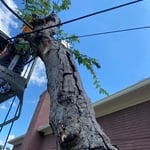
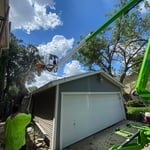
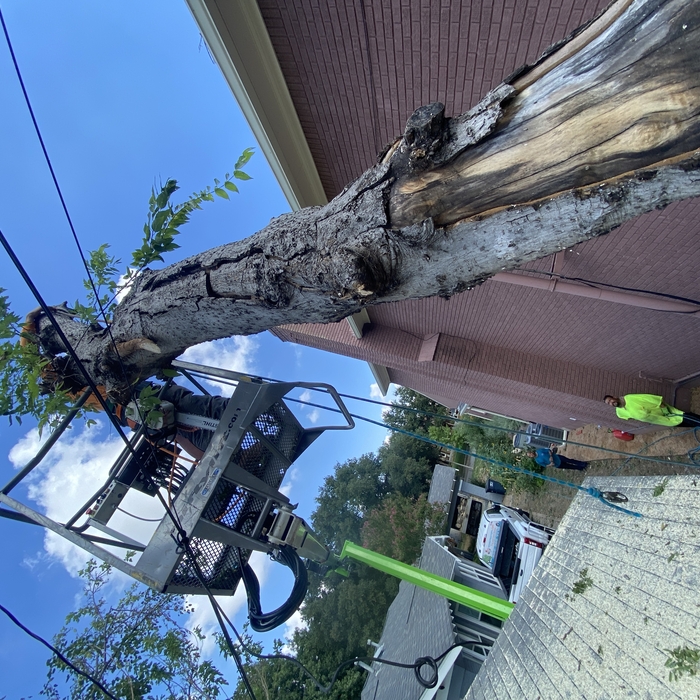
"Wilmer bid on the removal of a 65 foot oak I needed removed from my small back yard. He set a really fair price and came highly recommended. I was not disappointed. Wilmer and 24/7 Tree Service did an outstanding job. Very professional and courteous. On time and very fast and safe. They removed the tree, cleaned up all the debris and performed a stump grind. I couldn't be happier. My back yard has never looked better. My neighbors even commented on the great job they did. I am recommending them to all my friends and neighbors."
"I had 2 large oak trees cut down and 2 others trimmed . the team of were vary professional ,timely, I am looking forward to having them do more work for my yard Maintenace in the future. I highly recommend SAL'S."
"JC Tree Service did an excellent job trimming my trees. I have several very large oak trees and some smaller trees. They trimmed them well and did a good job cleaning up."
"Jose was good with explaining how his Team would trim front and back trees. The Team was very good about trimming/cutting the branches I pointed out. They were excellent with cleaning up afterwards, hauling the branches away and putting my yard lights back in place. the cost was very reasonable for front and back trees. Will recommend."
"I had 8 trees that needed thinning, 4 more that needed to go, and some large bushes that died from the freeze. Sandra came the day I contacted her to give me a bid, and her crew was there the next day. They did a fantastic job and cleaned up afterwards. This is the second time I've used them and will do so going forward."
"Daniel and his team are really timely, efficient quick and for a great price! As of 12/26/22 we realized had a post oak in our backyard literally leaning against our house. Thank God no damage to the house but still it was detached at the root and needed to be removed asap. Texas Tree Tops came in clutch. Daniel came out within the hour to assess and give us an estimate. He was professional and listened. It was a pleasure to have Daniel and his team resolve our tree problem. They even left my backyard and roof looking better than it was when they arrived! I believe we have found our go to arborists for future projects. Thank you Texas Tree Tops!"
You should not trim an oak tree in the summer. Oak trees are especially susceptible to disease, and open tree wounds are an invitation for beetles that carry tree-killing fungus. If there’s no risk that the oak tree will do damage to your property or hurt someone, it’s best to save the trimming for fall or winter. If you can, seal the wound with latex to prevent fungus from getting inside.
No. Most of the time, suckers are only a sign that the tree is experiencing stress. However, they can also be the canary in the coal mine, letting you know that something else is stressing your tree. If you have lots of suckers on your tree, calling in an arborist or a tree care expert is always a good call to determine the cause and develop a solution that de-stresses your tree.
State and local laws vary, but in most cases, you are allowed to trim any branches from your neighbor's tree that cross your property line. However, it's important to ensure you do not damage the overall health of the tree in the process. Removing branches incorrectly can jeopardize the health of the tree and could lead to you being on the hook to replace it.
A palm tree's lifespan typically ranges from 40 to 100 years, though some species can live much longer. For example, certain types of Date Palm trees can live for over 200 years. The exact longevity of a palm tree is influenced by several factors, including its species, size, climate, and growing conditions. To maximize your palm's lifespan, provide proper care and maintenance, such as ensuring it gets enough sunlight, water, and nutrients, and protecting it from pests and diseases. For expert maintenance tips, consider consulting a professional arborist.
Finding a reliable arborist starts with researching specialists in your area and checking their licensing and certifications. Use online resources like the Better Business Bureau (BBB) to conduct research on each company. Next, contact the arborist and ask the following questions to see whether they are the right fit for your project:
Do you handle or specialize in dealing with the issue I’m having?
Are you fully insured?
Do you have customer references I can call?
Do you have any third-party certifications?
What equipment and strategies do you plan to use?
The Lakeside, TX homeowners’ guide to arboricultural services
From average costs to expert advice, get all the answers you need to get your job done.
How much does an arborist cost? This guide explains the cost of different services, ongoing expenses, and other factors to consider when hiring an arborist.
Tree inspections can ensure your trees stay healthy and safe, preventing costly damage. Learn how much tree inspections cost and what can affect the price.
Arborists are specialized tree care experts. This guide will help you hire an arborist with all the qualifications to give your trees the best care possible.