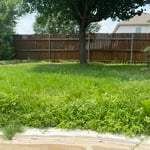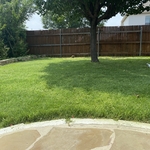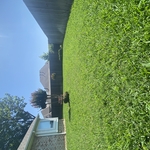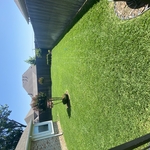


Top-rated leaf removal pros.

Get matched with top leaf removal pros in Lake Worth, TX

Enter your zip and get matched with up to 5 pros

Need a pro for your leaf removal project in Lake Worth, TX?

Select your specific project to find the pro for you.

TRUSTED BY LAKE WORTH, TX HOMEOWNERS

  • Average homeowner rating star icon4.6
    Average homeowner rating
  • Verified reviews icon82
    Verified leaf removal services reviews

Find Leaf removal pros in Lake Worth

Eris Landscaping
4.5(
11
)
Lawn Care - Maintain and Mow a LawnLawn & Yard Waste Clean Up

Serving Lake Worth, TX and surrounding areas

Approved

In business since 2018

Free estimates

Customers say: True professional

"Eris was very professional and kind. He efficiently walked me through so that he could do for my lawn, debris/bulk pick up, etc. I'm very satisfied with the service received and we have set up plans to work together consistently in the future. Thanks Angi"
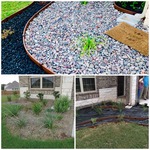
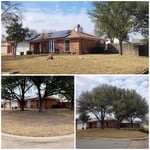
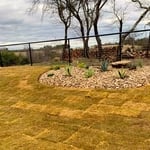
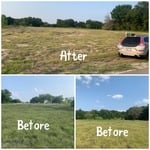
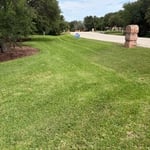
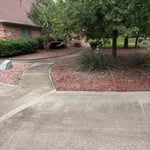
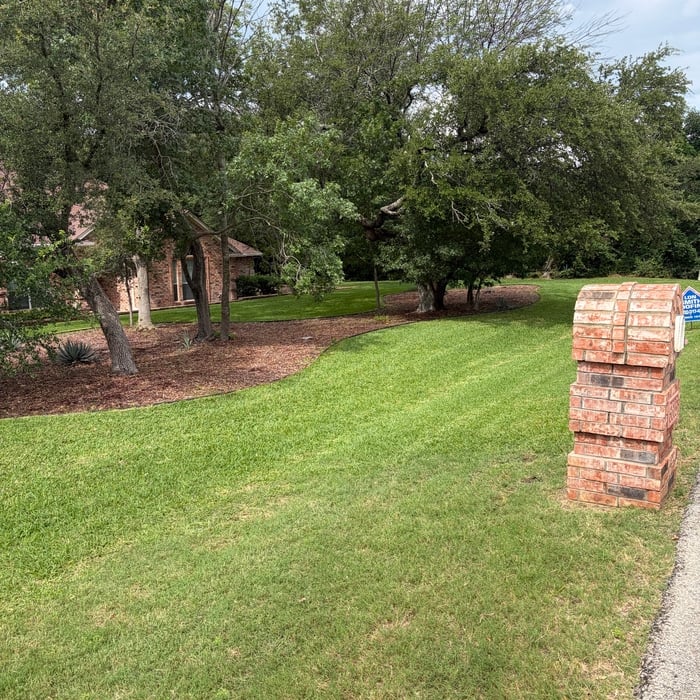
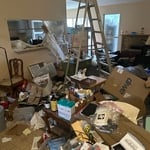
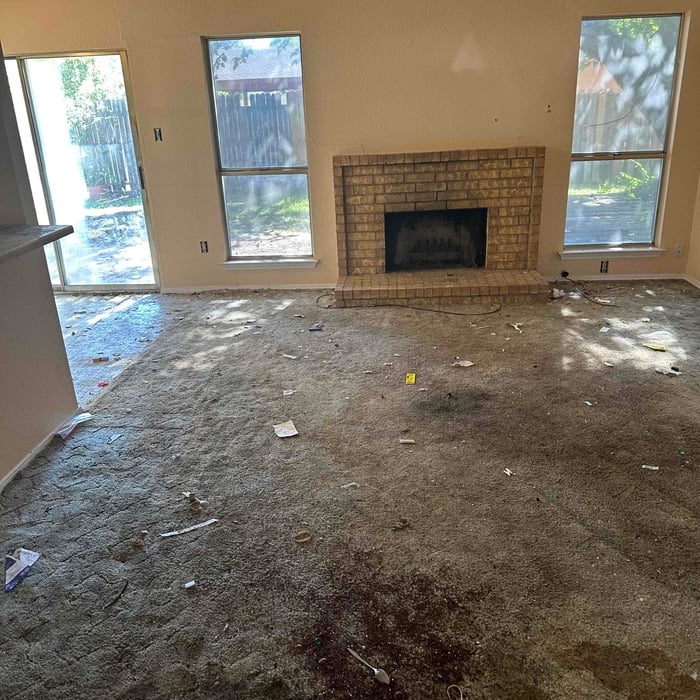
Additional Photos
Additional Photos
Additional Photos
Additional Photos
Additional Photos

+17

11 neighbors recently requested a quote
Recommended by81%of homeowners
...
Showing 1-10 of 896
Leaf Removal questions, answered by experts

Disposing of old paint, bleach, oil, and fertilizer should be handled by a company that specializes in this kind of waste. Many private junk removal companies do not dispose of these items. Because these materials are hazardous to the environment and dangerous to handle or dispose of improperly, you should confirm with your local municipality about places to take hazardous materials for safe disposal. 
According to the Environmental Protection Agency (EPA), hazardous waste is generally classified into four main categories:

1. Characteristic Wastes: These exhibit at least one of four hazardous traits: ignitability (flammable, like gasoline), corrosivity (can rust or decompose materials, like car batteries), reactivity (unstable and can explode, like aerosol cans), or toxicity (harmful when ingested, like lead-based paint).

2. Listed Wastes: These are specific wastes from manufacturing and industrial processes that the EPA has officially designated as hazardous. They include byproducts from processes that use solvents, pesticides, and other chemicals.

3. Universal Wastes: These are commonly generated hazardous items that are subject to streamlined regulations. Examples include batteries, pesticides, mercury-containing equipment (e.g., bulbs), and some lamps.

4. Mixed Wastes: This category includes waste that contains both hazardous and radioactive components, making it subject to regulation by both the EPA and the Nuclear Regulatory Commission.

Exterior paint contains a higher level of VOCs, which can be dangerous if you’re exposed to it for a long period of time. The good news is that paint’s toxicity reduces significantly once fully dried and cured. Do not keep open exterior paint cans in your home, basement, or garage, exposing your household to harmful chemicals over time.

The EPA enforces hazardous waste laws and ensures people dispose of their hazardous waste responsibly. Depending on where you live, your state’s hazardous waste regulatory agency may also enforce these laws. Individually, it’s up to each household to properly dispose of their hazardous waste.

Hazardous waste is waste that poses a threat to human or environmental health. This generally refers to waste that is flammable, corrosive, toxic, or reactive. To confirm if the waste you need to remove is considered hazardous waste, contact your local hazardous waste facility.

The Lake Worth, TX homeowners’ guide to leaf removal services

From average costs to expert advice, get all the answers you need to get your job done.