Top-rated electricians.

Get matched with top electricians in Hale Center, TX

Enter your zip and get matched with up to 5 pros

Need a pro for your electrical service project in Hale Center, TX?

Select your specific project to find the pro for you.

TRUSTED BY HALE CENTER, TX HOMEOWNERS

  • Average homeowner rating star icon5
    Average homeowner rating
  • Verified reviews icon13
    Verified electrical services reviews

Find Electricians in Hale Center

Avatar for Donohue's Lightning Rods
Donohue's Lightning Rods
4.3(
70
)
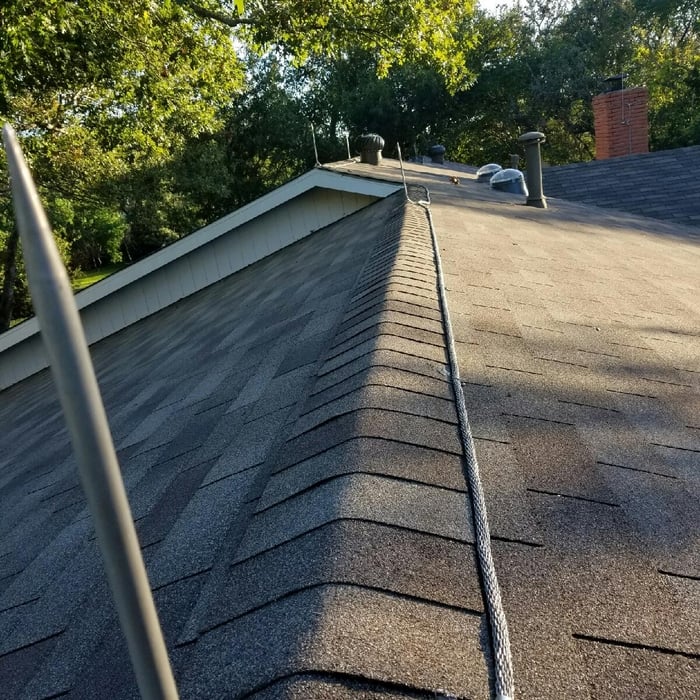
Lightning Protection - Install or Repair

Serving Hale Center, TX and surrounding areas

Approved

In business since 1971

Free estimates

Emergency services offered

"Mr. Donohue is very knowledgeable and has excellent experience in the lightning protection area. He responds quickly and has a very professional team of workers. He quoted the job using google earth information. When he visited the site he reduced his price by over 50%. I highly recommend him and I will use his company again."
Jobs from the last 3 year
Lightning protection

+10

Response time1 day
60 neighbors recently requested a quote
Recommended by96%of homeowners
...
Showing 1-10 of 67
Electrical questions, answered by experts

Homeowners should avoid replacing a circuit breaker without turning it off. While you technically can replace a circuit breaker without turning off the main breaker—and professionals can and do—it’s only safe for electricians to use this process. Working with a live panel is extremely dangerous if you don’t have experience working with electricity. Always follow safety measures to avoid electrical shock.

The lifespan of an average breaker box is 25 to 40 years, depending on the type and electrical events that occur in your home. Frequent power outages or surges can cause the breaker box’s lifespan to shorten. Maintain this essential electrical component by avoiding turning it off and inspecting it regularly for signs of damage.

Grounding is an essential part of installing an electric fence. Without grounding, the electrical circuit will be incomplete. That means the fence won’t work and will fail at delivering shocks upon impact. Even grounding the fence improperly can cause faulty shocks, if any. To ground the fence, you will need to use ground rods, ideally made from copper or galvanized metal, that are at least 4 feet high, for best results.

Whole-house generators can run continuously for extended periods, even for weeks at a time (around 400 to 500 hours), as long as they have a sufficient fuel supply. However, this type of extensive use will increase wear and tear and can shorten the generator's overall lifespan. During long periods of operation, it's important to check and refill the engine oil as needed, potentially as frequently as daily depending on the model. If your generator uses a fuel tank, ensure it is kept full to prevent unexpected shutdowns.

You can test an electric fence with a multimeter, but you’ll need to set the multimeter to the correct voltage measurement—such as alternative current (AC) or direct current (DC) and range—depending on your fence. You can find the voltage type and range in the fence’s user manual.

The Hale Center, TX homeowners’ guide to electrical services

From average costs to expert advice, get all the answers you need to get your job done.