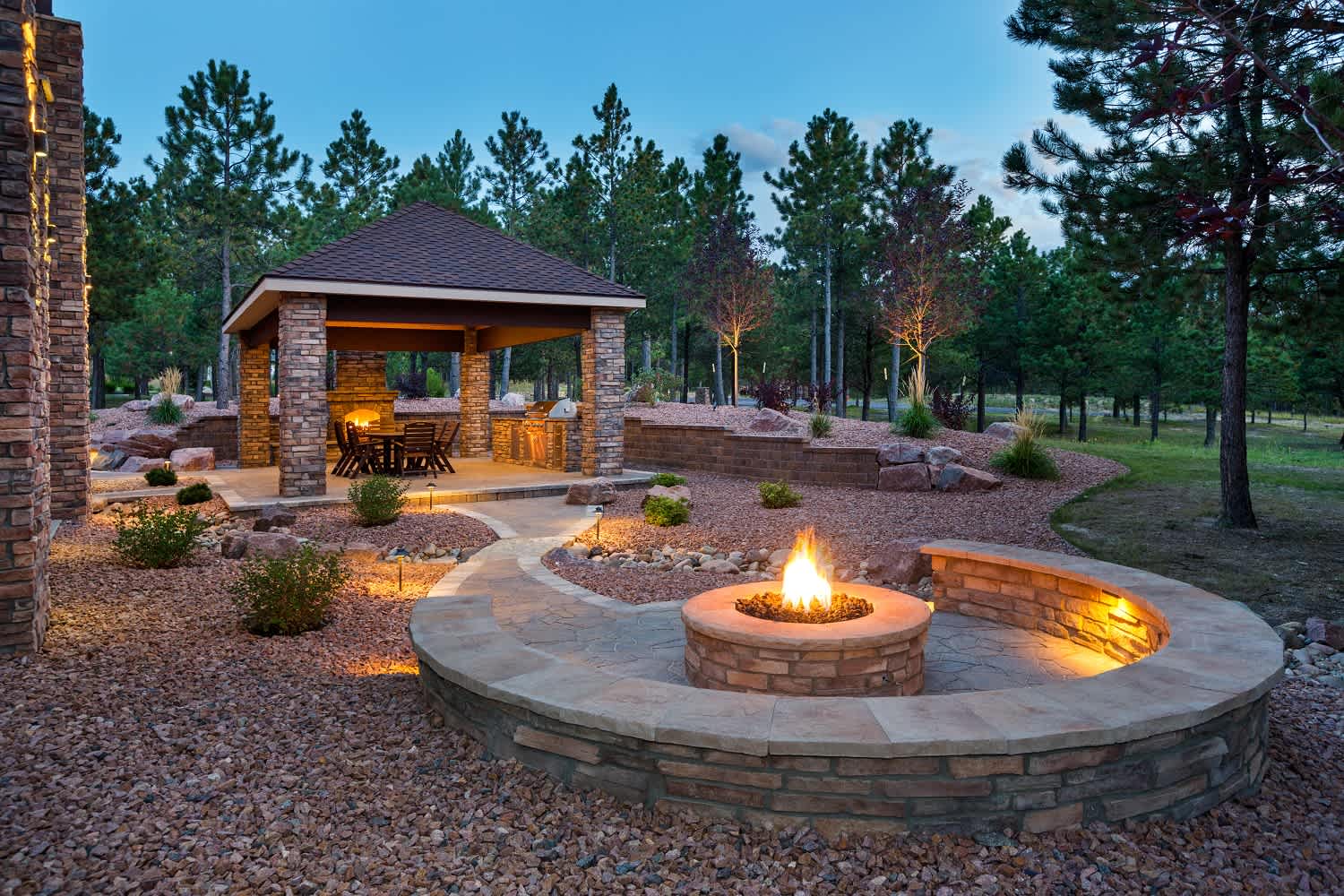





Top-rated fire pit installation pros.

Get matched with top fire pit installation pros in Gladewater, TX

Enter your zip and get matched with up to 5 pros

Need a pro for your fire pit installation project in Gladewater, TX?

Select your specific project to find the pro for you.

TRUSTED BY GLADEWATER, TX HOMEOWNERS

  • Average homeowner rating star icon4.7
    Average homeowner rating
  • Verified reviews icon114
    Verified fire pit installation services reviews

Find Fire pit installation pros in Gladewater

No results for Fire pit installation pro in

Try adjusting your search criteria.
Fire Pit Installation questions, answered by experts

Yes, you should seal and cap an unused chimney to protect it from damage. Sealing the structure helps prevent moisture damage, which can lead to issues like cracks, spalling, efflorescence, and damaged mortar joints. Capping the chimney is also crucial to prevent blockages, damage from invasive critters, and downdrafts, while still allowing for proper air ventilation to manage moisture. For the best results, consult a chimney professional to select the right type of chimney or flue cap for your home. It's also wise to continue with annual chimney inspections to maintain the structure's integrity.

You should never block both the top and bottom of your chimney. Proper airflow is essential because the temperature inside the chimney will still fluctuate as your house warms and cools. Moisture can build up without ventilation, leading to dampness in your walls over time. Blocking the top prevents debris and animals from entering, but the chimney still needs air circulation to avoid condensation issues. Allowing the chimney to breathe maintains the health of your home and prevents long-term damage.

The damper, located just above the firebox, can open or close the chimney flue. The damper should remain closed unless there’s a fire burning in the fireplace. Closing the damper prevents energy loss through the chimney and cold air from seeping into the home during the winter. Opening the damper helps maintain airflow when there is a fire and prevents smoke and gases from venting into the house.

There are a few things you can look out for to ensure your chimney is safe to use. Check for the following issues:

  • Cracks or missing pieces in the masonry of the chimney

  • Creosote buildup in the chimney, which is a black, tar-like substance

  • Cracks, stains, or scorch marks in the firebox

  • Water stains in or around the fireplace

  • A broken or stuck damper

If a storm or other natural disaster occurs in your area, you may not have immediate access to help. According to the U.S. Federal Emergency Management Agency, keep a disaster preparedness kit in your home with enough essentials to sustain your family for at least 72 hours. Put this in an easily accessible location to have it handy in case anything unthinkable happens.

The Gladewater, TX homeowners’ guide to fire pit installation services

From average costs to expert advice, get all the answers you need to get your job done.