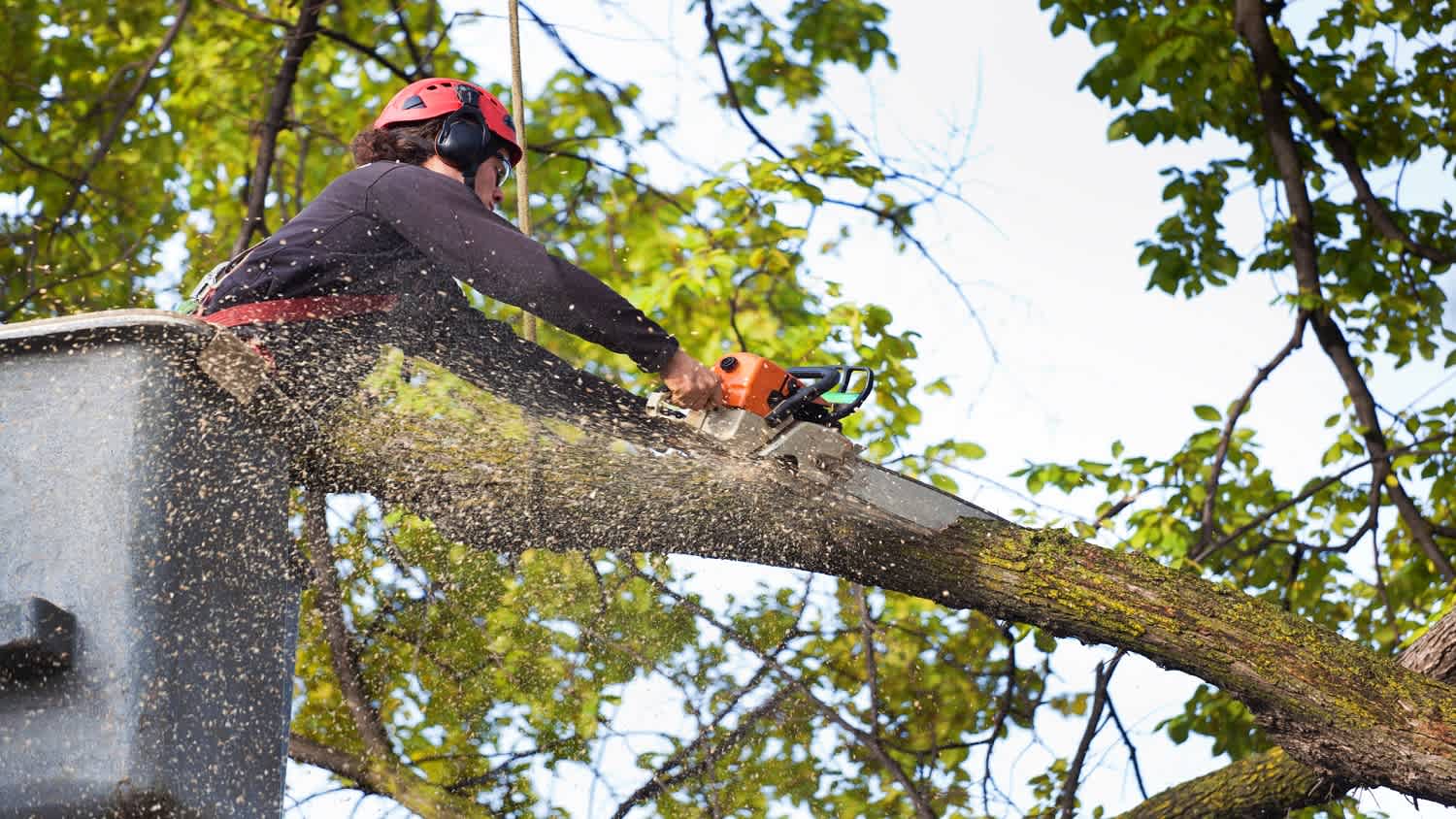
We pride our company on reliability, great communication, integrity, and quality work. We are experts in our trade and will do our best to keep you as educated as we can on your particular task or project. We look forward to earning your business!
\n
"Dr Bob Whites's service was very quick and very effective. The trees (Golden Oaks} came back this summer with exstensive leafage and groth. He save both Oaks with his excellent service."
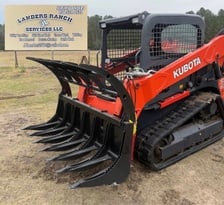
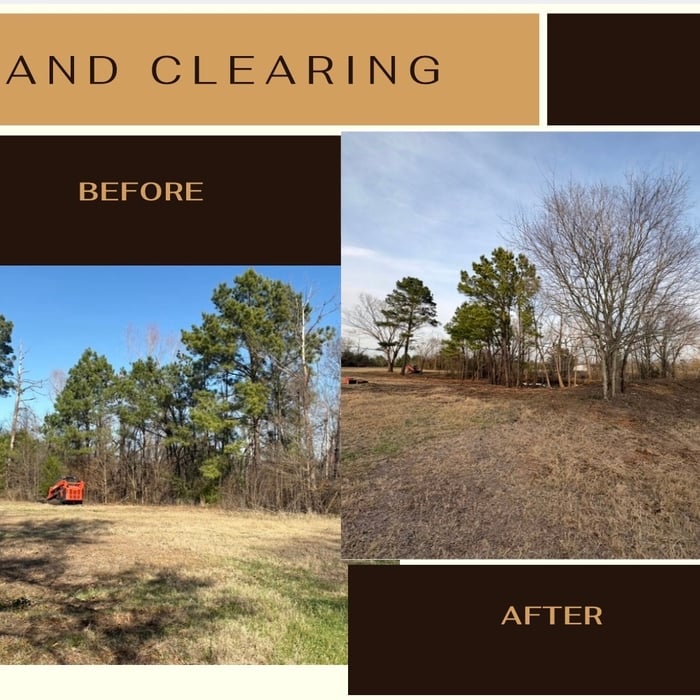
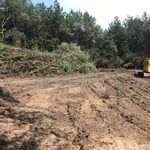
At Landers Ranch Services, we are a reputable excavation company located in Grimes County, TX. Serving the surrounding areas, we pride ourselves on delivering top-notch services to meet all our clients' excavation needs. With our skilled team and state-of-the-art equipment, we ensure efficient and reliable results for every project.
Pinnacle Contracting Concepts, LLC is a full service remodeling company striving for customer satisfaction at all times. Whether your remodeling your first Condo or adding a suite to your fourth Castle, with over 22 years of combined experience, we can help! We generate mostly refferal based leads which is a testament to our excellant quality and service. Our approach is as if every job is another chance for us to help you Rebuild your Dreams!! Give us a call for a free consultation!!
\nPinnacle has also become a large force in helping our countries Hurricane victims in the Gulf Coast. With crews in 3 of the Gulf Coast States, we are offering Debris clean-up, Demolition, and Construction Services. Our goal is to help get our neighbors back into their homes as soon as possible.
Ernz Painting is dedicated to providing our customers with the best quality and craftsmanship. We are here to build relationships with our customers and communities. No job is too big or too small! We look forward to working with you!
Finding a reliable arborist starts with researching specialists in your area and checking their licensing and certifications. Use online resources like the Better Business Bureau (BBB) to conduct research on each company. Next, contact the arborist and ask the following questions to see whether they are the right fit for your project:
Do you handle or specialize in dealing with the issue I’m having?
Are you fully insured?
Do you have customer references I can call?
Do you have any third-party certifications?
What equipment and strategies do you plan to use?
The fastest ways to remove a tree stump are by grinding it or burning it.
Stump grinding is often the quickest method, with professionals able to chip away a stump and its roots within a single session. You have the option to hire a professional stump removal service or rent a stump grinder to do it yourself. However, it's important to note that these machines can be large, difficult to transport, and dangerous to operate without prior experience. For safety reasons, hiring a local arborist or landscape specialist is often recommended.
Burning is another fast option. Before you begin, check your local burn laws. The process involves drilling holes into the stump, filling them with vegetable oil, and waiting 24 to 48 hours. Afterward, you can add charcoal bricks to the surface and light the fire, which must be attended at all times.
For a more affordable but much slower alternative, you can use potassium nitrate pellets to accelerate the natural decomposition process. This method typically takes four to six months.
If executed correctly your tree should survive after being transplanted to a new spot. However, effective transplanting requires six months, careful root pruning, safe transport to the new location, and replanting in prime soil conditions. You’ll also need an appropriately sized root ball for a complete tree transplant. A good rule of thumb is that, for every inch in diameter, your tree’s root ball needs to be around 11 inches. So a tree with a diameter of six inches needs a root ball of approximately 66 inches.
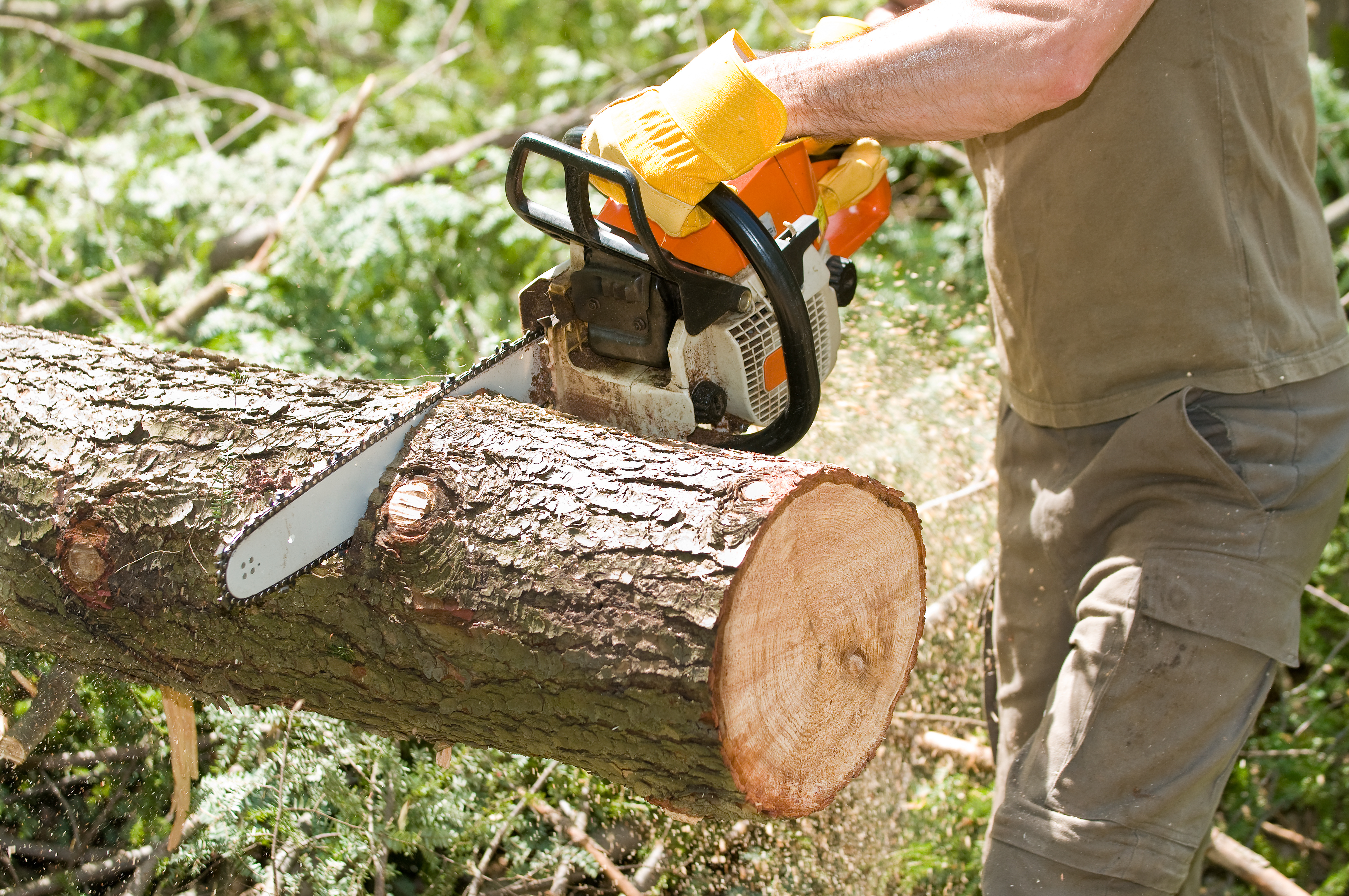
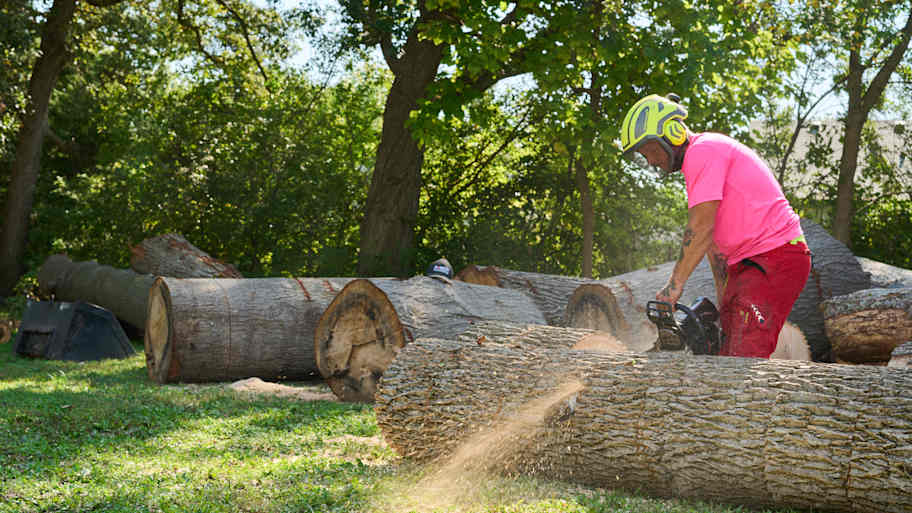
A chainsaw is the best tool to cut down a tree, but you may also use a handsaw or ax. You may also want to use a lopper or pole saw to remove limbs before cutting down the tree. Wear chainsaw chaps and protective gear, including eyewear and earplugs if you use a chainsaw. Again, if you’re unsure about how to use this tool, this project may be one to skip.
The best time to trim trees is in late fall through winter when the tree has slowed its growing for the year. Cold weather stops insects and fungal growth from attacking a new tree wound. Summer and fall are considered the worst times to trim trees, but it’s permissible in certain scenarios, such as tree disease, damaged branches, or small, aesthetic cuts.
The Fort Davis, TX homeowners’ guide to tree services
From average costs to expert advice, get all the answers you need to get your job done.
Tree inspections can ensure your trees stay healthy and safe, preventing costly damage. Learn how much tree inspections cost and what can affect the price.
How much does an arborist cost? This guide explains the cost of different services, ongoing expenses, and other factors to consider when hiring an arborist.
Follow these tips to learn how to find a good tree removal service. Doing a little research can help you save time and money when you need to say goodbye to your trees.
You suspect that the leaning oak tree in the back needs to come down, but can you just handle it yourself? Here are the pros and cons of calling a tree service.