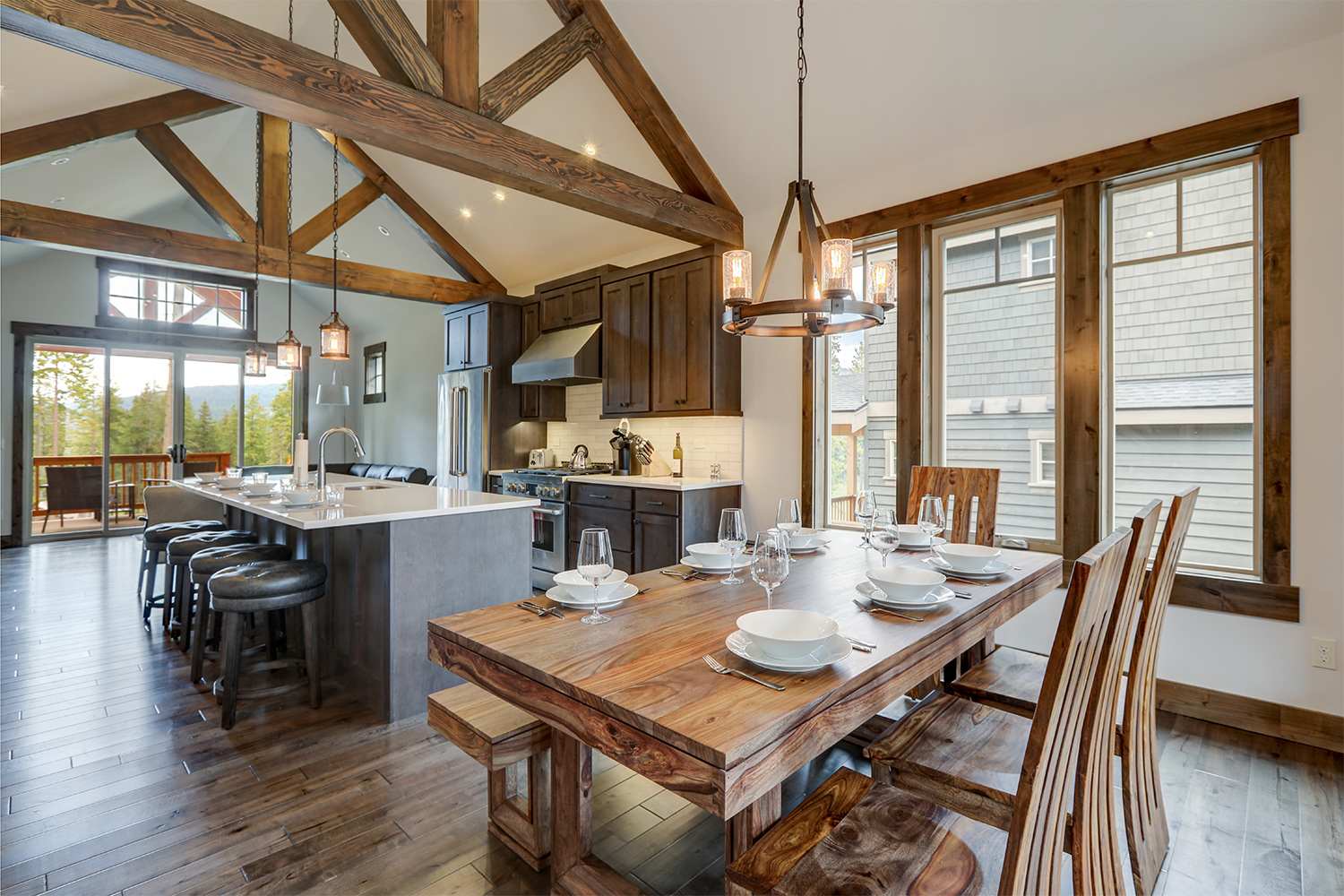
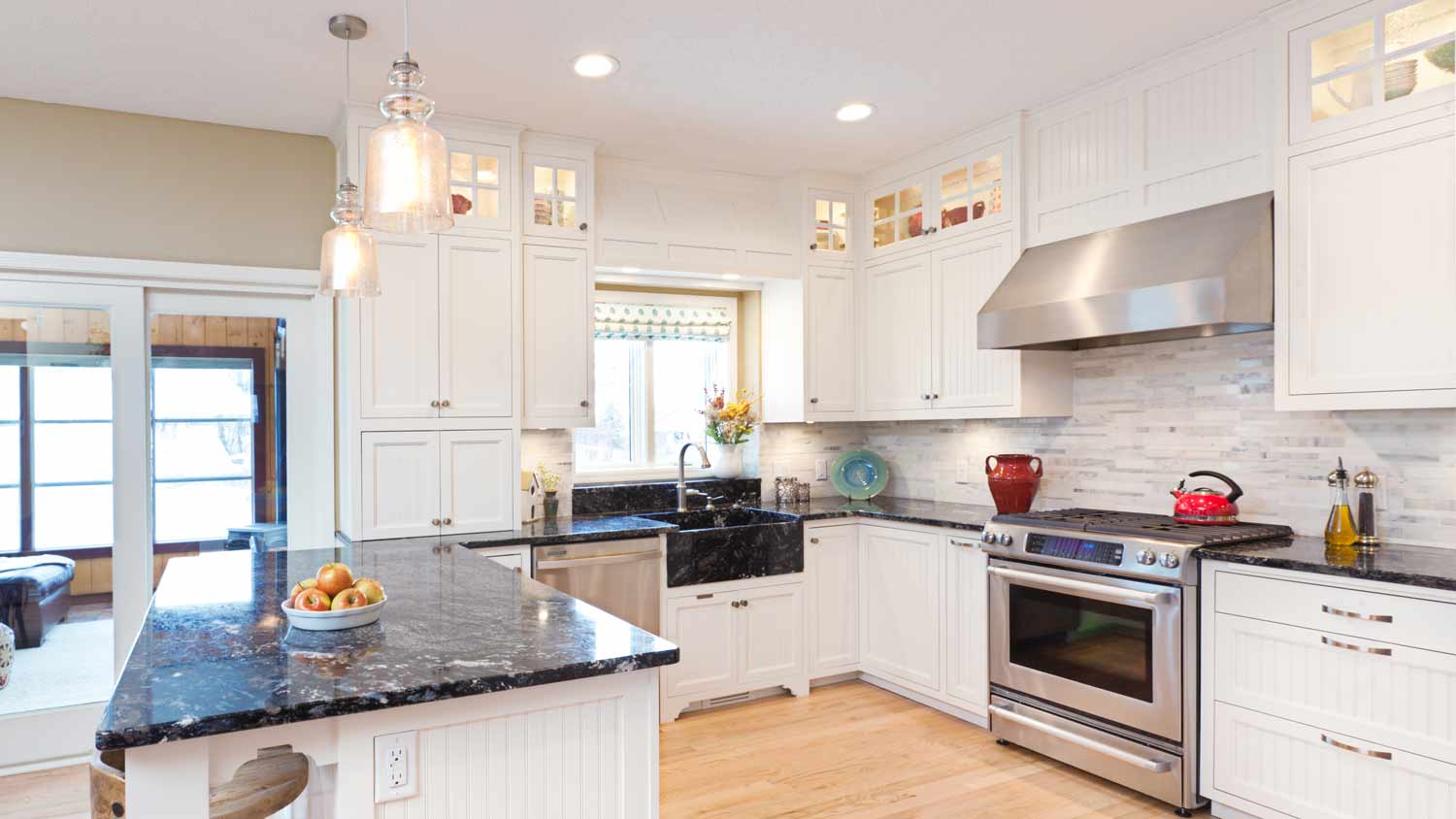
"I am having a full master bath and kitchen remodel done with new layouts in both rooms and knocking out a wall. Evolution worked with me to quickly get a drawing done of the new layouts so that the contractor could get started on the project. They made sure to include me in the process so that the design would be done exactly as my wife and I envisioned. They communicated effectively throughout the process and were always courteous and professional. I recommend them to anyone with drafting needs."
We have a single mission: Complete Customer Satisfaction! We have consistently focused on the needs of our customers, providing personalized attention and a stress-free experience.\nYou will find us to be competitively priced with close attention to the details.\nOur reputation is based on service, safety, and quality, regardless of how large or small the job.\nWe look forward to building a lasting relationship and guarantee your satisfaction!\n
Grupe dZn is committed to excellence in every aspect of our business. We uphold a standard of integrity bound by fairness, honesty, and personal responsibility. Our distinction is the quality of service we bring to our customers. Accurate knowledge of our trade combined with ability is what makes us true professionals. Above all, we are watchful of our customers interests and make their concerns the basis of our business.
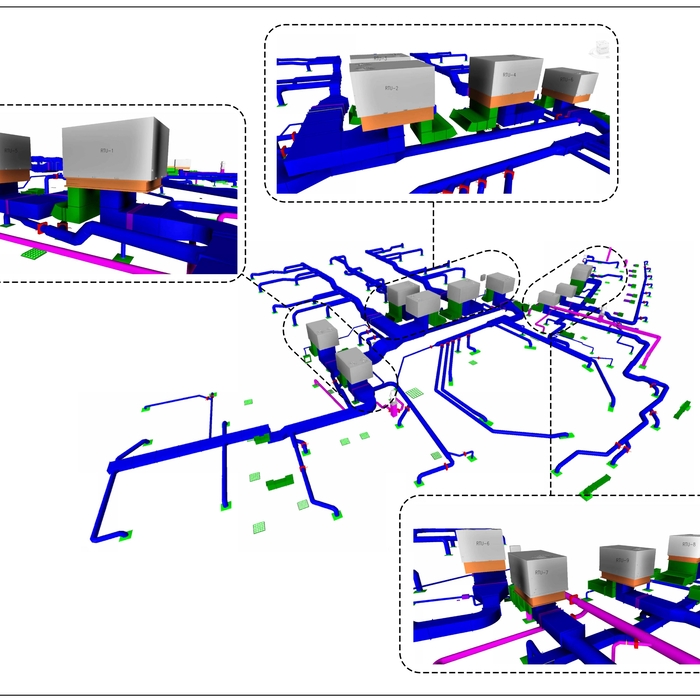
Terraform Development & Design LLC, delivers expert permit-ready architectural plans and drafting services nationwide. With 8+ years of experience and hundreds of clients across all 50 states, we create code-compliant residential and commercial construction documents that get approved fast and built right.\nFrom site plans, floor plans, elevations, structural & foundation drawings to MEP coordination, full construction sets, 3D renderings, interior design, solar PV layouts, and precise material takeoffs - we handle it all. Fast 4-6 week turnaround, 3 design revisions included, free revisions for city redline changes, transparent pricing (starts at $2,000), and direct partnerships with licensed engineers for stamps in every state.
"We first met with Wally in April of 2014 and submitted our plans to the city for an in-law suite in Oak Ridge North. They rejected us twice but Wally continued to work with us to meet all of their requirements and refused to give us an invoice for the additional work. But we opted to pay him anyway. He spent more time getting the final requirements completed on the 3rd round than he did on the first and second round put together! . Wally was very responsive and provided everything needed to get it all approved. Wally is very reasonably priced and very reliable and responsive. He has a great tool that he used for online meetings where we could watch him tweak the design. If we ever have another need for an architect, Wally is our guy! "
"I had a fantastic experience working with this drafting firm. From the very first phone call, Kirsten?our drafting consultant? was clear, professional, and incredibly helpful. She explained the entire process in detail and made sure all of my questions were answered up front, which gave me immediate confidence in the team.
This firm partnered with engineers and architects to get the best quote for me on a stamp for my plans after they did an exceptional job on drawing the prints that met all the requirements for permitting. Their coordination and attention to detail made the process very simple on my end.
If you are looking for a highly capable drafting firm that knows how to get things done right, I highly recommend them!"
Our goal is to provide honest and outstanding service through dedication, hard work, attention to detail, integrity and always focusing on our customers best interest at hand. We know that the secret to our success has and will continue to be our satisfied customers.
"Steve did an amazing job on our houseplan. We took him our ideas, and he brought them to life. Not only is he an expert at working the plans, he has practical advice to avoid potential disappointments. He pays attention to the smallest detail. He is always open to ideas as well. When we asked for a redesign for the outside, he did a fabulous job changing the style to fit our new build site. We can’t recommend him highly enough!"
Structural Engineering questions, answered by experts
In framing, studs are placed at 16-inch intervals to coincide with the typical spacing of wall materials such as drywall or plywood. This spacing is called "on-center" and is necessary for maintaining structural stability and efficient use of materials. The 16-inch spacing also helps to distribute the weight evenly across the building's structure. For those looking to cut material costs and improve energy efficiency, 24-inch stud spacing can be employed through a method called "advanced framing". This requires careful planning and adherence to local building codes to ensure structural integrity.
A 4-inch-thick concrete slab can support around 4,000 pounds per square foot if a contractor reinforces the slab with rebar, while that same slab without reinforcements will support closer to 1,000 pounds. For the purposes of a patio, 4 inches in thickness without reinforcement should suffice unless you’re installing heavy kitchen equipment or a hot tub on it. In those cases, reinforcing your slab and sticking with 4 inches of thickness should provide plenty of strength.
The average cost to hire a structural engineer is about $550, with prices generally ranging from $200 to $1,500. Structural engineers may charge a flat rate, by the project, by square footage, or an hourly rate, which is typically between $100 and $250. Many jobs, such as inspections and structural calculations, are billed at a flat rate, which often falls between $300 and $800. The final cost depends on several factors, including the project's type, scope, size, complexity, ease of access for inspection, and your geographic location.
It is not recommended to cut or drill into LVL (laminated veneer lumber) beams. As major structural components of a home, their composite structure can be compromised by alterations, which can weaken them and lead to cracking over time. If you must make modifications to an LVL beam, it is crucial to consult a structural engineer or general contractor first. A professional can advise on whether it's safe and provide specifics on the appropriate bit size, depth, and directionality for any necessary drilling.
It depends on the bank and the extent of the issue. Some banks will lend against homes with minor foundation damage, but most won’t if the issue is structural since the home acts as collateral for the mortgage. Banks that offer renovation loans might still finance a home with structural problems. More minor issues like settling cracks and intermittent problems with humidity are unlikely to stop a bank from financing.
The Crowell, TX homeowners’ guide to structural engineering services
From average costs to expert advice, get all the answers you need to get your job done.
The cost of a structural engineer is easily justifiable given the value they bring to the table. Use this guide to see what hiring your professional will total.
Beam installation costs are an important consideration if you’re building a home or doing renovations. Learn about average costs and factors in this guide.
Spotting deep foundation cracks or sagging floors? Learn about structural engineering costs, serious warning signs, and how to hire the right local pro.
It can be hard to choose the right pro for any job, but it matters. Learn how to hire a structural engineer who'll get the job done right from start to finish.